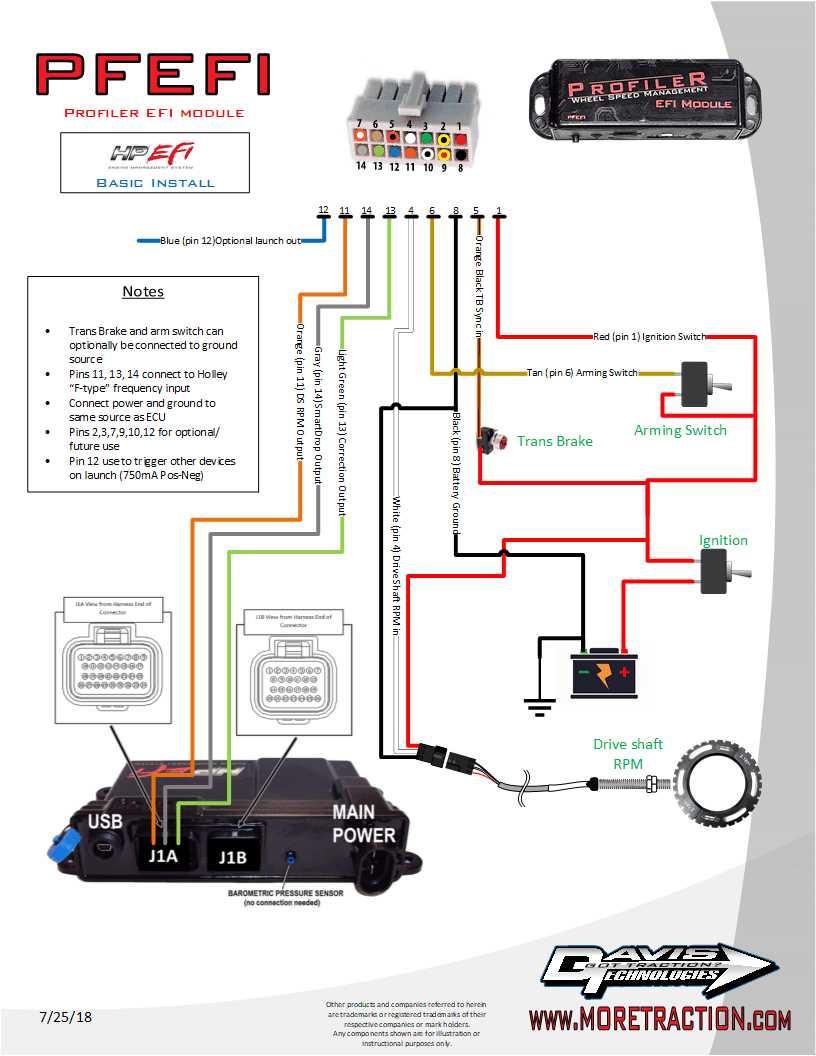
Route the ECU power feed straight from the battery through a fused line rated between 15 and 20 A. Keep the positive lead shorter than 1.5 m and avoid routing it alongside ignition coils or alternator output cables. Electrical noise from high current devices may distort sensor readings and interrupt injector control signals.
Attach the ground leads directly to the engine block using a cleaned metal contact point. Remove paint or corrosion before tightening the bolt. A poor ground path often causes unstable throttle position data, fluctuating manifold pressure values, and intermittent communication with tuning software. Multiple ground points connected to the same engine surface reduce voltage variation during cranking.
Route sensor harness lines separately from ignition components. Throttle position, manifold pressure, coolant temperature, and intake air temperature send low-voltage signals, typically within a 0–5 V range. Twisting paired leads or placing them inside shielded loom reduces interference produced by ignition discharge and high current loads.
Place injector and coil control leads along the engine valley or valve cover edges and secure them every 10–15 cm with heat-resistant clips. Keep harness branches away from exhaust headers where surface temperatures may exceed 600 °C. Correct harness routing and clear connection mapping prevent misfires, unstable idle speed, and data spikes during acceleration.
Holley HP ECU Wiring Layout for Sensors Injectors and Ignition
Connect the control unit power leads directly to the battery with a dedicated fuse and route signal lines separately from ignition coils. High current ignition components generate electrical noise that can distort low-voltage inputs from throttle position, manifold pressure, coolant temperature, and intake air temperature sensors. Keep sensor harness lengths under 2 m where possible and avoid running them parallel to alternator output cables.
Sensor input routing
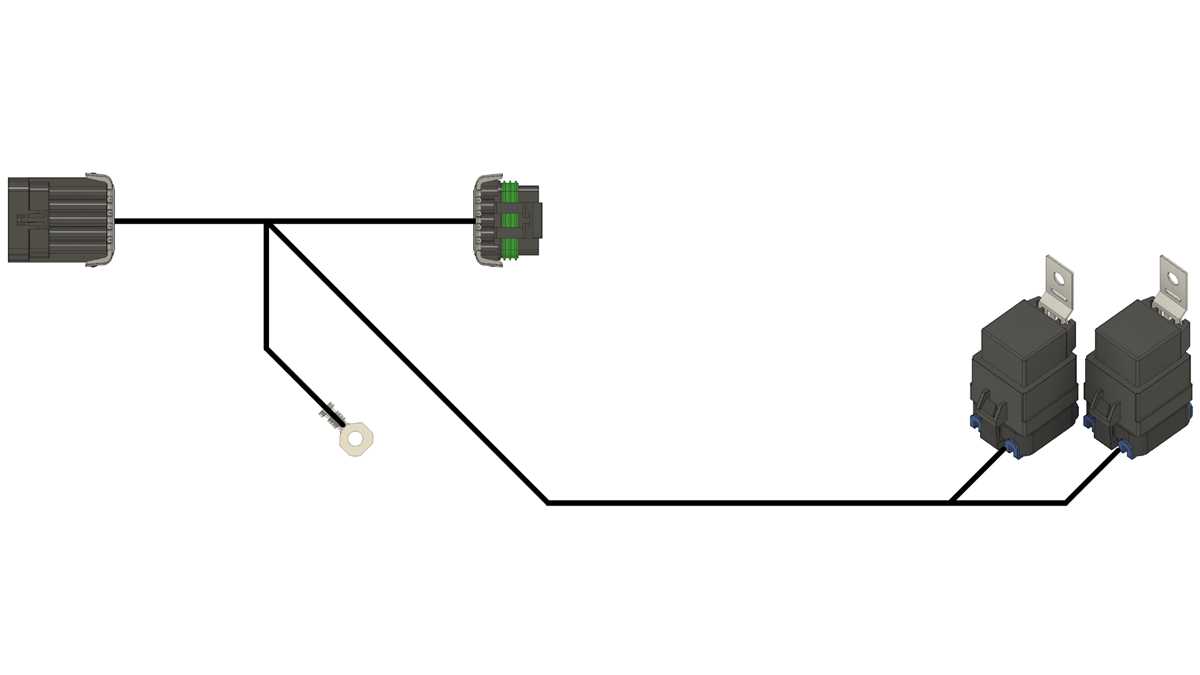
- Throttle position sensor connected through a three-wire lead carrying 5 V reference, ground, and signal return
- Manifold pressure input routed with shielded cable to prevent interference during boost conditions
- Coolant temperature probe mounted near thermostat housing for stable thermal readings
- Intake air temperature sensor placed inside the air stream after the filter
Fuel injector and ignition output connections
- Each injector channel linked to its dedicated driver output from the control module
- Use 16–18 AWG conductors for injector power distribution
- Ignition trigger leads routed away from crankshaft position sensor cables
- Coil driver outputs grouped in a loom and secured along valve cover edges
- Ground returns attached to the engine block using cleaned metal contact points
Keep harness branches secured every 10–15 cm with heat-resistant clips and maintain at least 5 cm clearance from exhaust headers where temperatures may exceed 600 °C. Stable routing and clear connection mapping prevent misfire events, unstable idle speed, and inaccurate sensor readings during rapid throttle movement.
Connecting Power Ground and ECU Main Harness Leads
Run the primary power supply directly from the battery through a fused 12-volt line rated between 15 and 20 A. Use 12–14 AWG copper conductors for the main feed and keep the length below 2 meters. Route this line away from alternator output cables and ignition coil power leads. Voltage drop during engine cranking should remain under 0.5 V to maintain stable control module startup.
Ground connection strategy
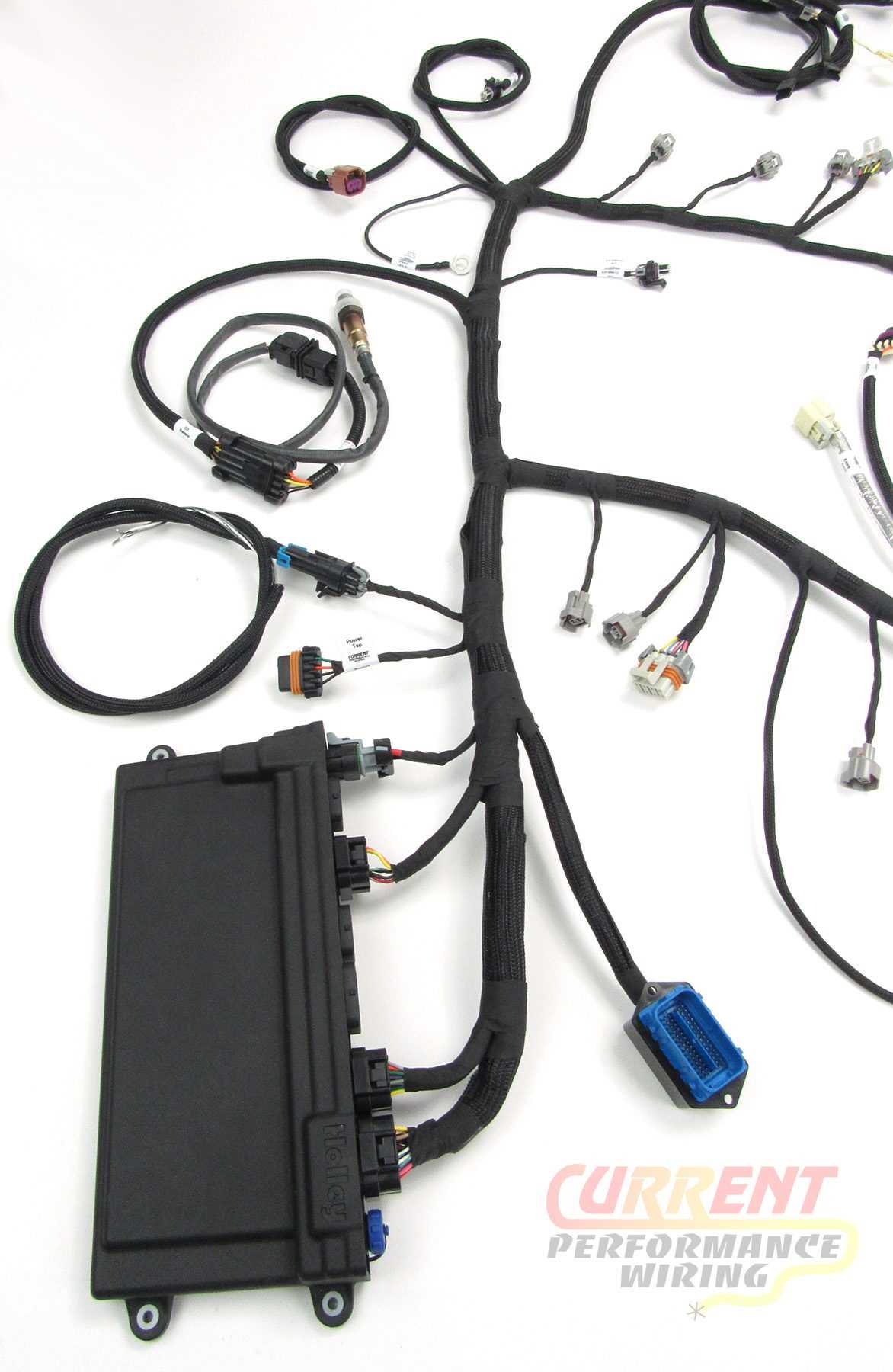
Attach ground leads to the engine block rather than the vehicle body. Scrape paint and oxidation from the contact surface before tightening the bolt. A star washer improves electrical contact. Multiple ground wires from the control unit harness should terminate at the same metal point. This reduces potential difference between sensor reference ground and injector driver ground.
Route the main harness bundle along the firewall or intake manifold edge and secure it every 10–15 cm with heat-resistant clips. Maintain clearance from exhaust headers where surface temperature can exceed 600 °C. Avoid sharp bends tighter than a 5 cm radius to prevent conductor fatigue. Stable harness routing prevents intermittent connection faults and signal noise in crankshaft and camshaft position inputs.
After all leads are connected, measure voltage between the control unit power pin and ground while the starter motor is engaged. Readings below 10.5 V indicate insufficient cable gauge, weak battery condition, or poor terminal contact. Correct these issues before engine calibration or ignition timing setup.