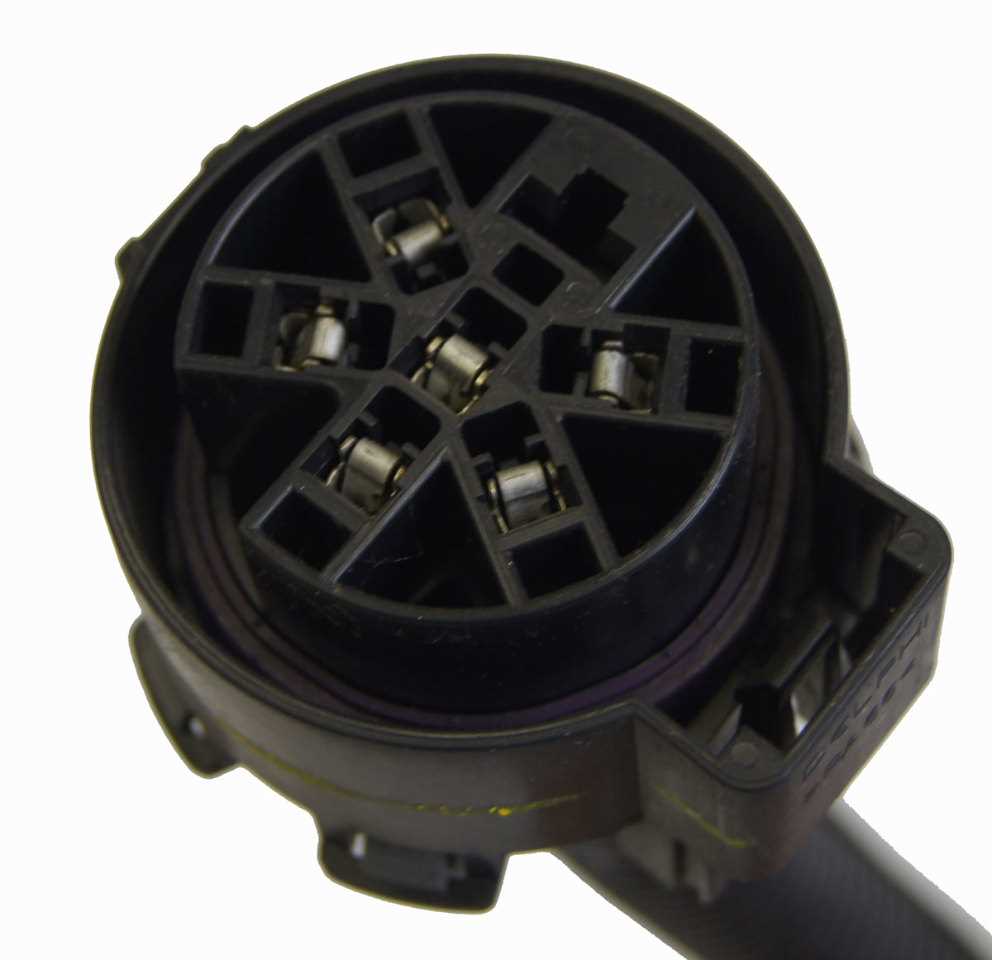
Connect the brake controller output directly to the pin assigned for electric brakes to ensure responsive stopping without overloading the circuit. Use a 12-gauge stranded wire for all brake-related lines and secure them with corrosion-resistant terminals.
Power supply for auxiliary systems should be drawn from a dedicated fused line rated at 30 amps. Avoid tapping into the ignition circuit to prevent intermittent failures during operation. Ensure all connections are tight and use dielectric grease to minimize oxidation at contact points.
Signal lamps and turn indicators must match the vehicle’s color-coded outputs. Green wires carry right turn, yellow wires carry left turn, and brown wires are for running lights. Test each function individually with a multimeter before final assembly.
Ground connections should be established on bare metal chassis points using self-locking fasteners. Multiple grounds on separate pins can reduce voltage drop and prevent flickering lights under load. Inspect the terminals for tightness periodically to maintain reliability.
Label each line and route them along factory harness paths to prevent chafing and accidental disconnections. Avoid sharp bends and proximity to high-heat components like exhaust pipes. Use split loom tubing to organize bundles and provide additional abrasion protection.
Identifying GM 7-Way Trailer Plug Wires and Functions
Start by labeling each conductor according to its function. Use a digital multimeter to verify continuity and voltage before connecting to any auxiliary device. For GM connectors, the pinout follows a consistent pattern that separates braking, lighting, and auxiliary circuits. Color coding simplifies identification and reduces installation errors.
Typical GM harness lines include:
- Green: Right turn and brake signal
- Yellow: Left turn and brake signal
- Brown: Tail and running lamps
- Blue: Electric brake activation
- White: Ground connection to chassis
- Black: 12V power supply for auxiliary devices
- Purple: Backup or reverse light feed
Confirm pin-to-function mapping with a pin tester or continuity checker before final installation. Improper connections can overload circuits or cause intermittent failures. Route lines along factory harness paths, securing them with zip ties, and protect exposed sections with split loom to prevent abrasion and corrosion.
Step-by-Step Wiring Connections for GM Trailer Plugs
Begin with the brake signal line by connecting the blue conductor to the output of the electric brake controller. Use a 12-gauge stranded wire and secure it with a crimped ring terminal. Test continuity before powering the system to prevent accidental short circuits.
Next, attach the lighting circuits. Connect green and yellow lines to the right and left turn circuits, respectively, and brown to the running lights. Maintain color consistency with the vehicle’s harness to avoid misalignment and verify each connection with a test light.
Establish a solid ground using the white conductor. Fasten it to a clean metal surface on the chassis using a self-locking bolt. Multiple grounds can improve voltage stability, especially under load from braking or auxiliary functions.
Route the black 12V supply line to a fused source near the battery. Use a 30-amp inline fuse to protect downstream devices, and secure the conductor with split loom tubing to reduce abrasion risk. Avoid running power near high-temperature areas like the exhaust manifold.
Finalize connections by testing each function individually. Activate turn signals, brake output, and auxiliary systems while observing multimeter readings. Tighten all terminals and apply dielectric grease to prevent corrosion. Secure loose lines with zip ties along existing factory harness paths to maintain a clean and safe installation.
Testing and Troubleshooting GM 7-Way Trailer Wiring
Use a digital multimeter to verify voltage and continuity for each conductor before connecting any external device. Test the brake, turn, and running light circuits individually, noting any voltage drop that exceeds 0.5 volts, which can indicate loose connections or corroded terminals.
Inspect grounds and power supply lines first. Check that the white conductor is securely fastened to a bare metal chassis point and that the black 12V line passes through a properly rated fuse. Intermittent lighting failures are often caused by poor grounding or voltage loss along the supply line.
Quick Reference Test Table
| Function | Wire Color | Expected Voltage | Test Method |
|---|---|---|---|
| Right Turn / Brake | Green | 12V | Probe with multimeter or test light while activating switch |
| Left Turn / Brake | Yellow | 12V | Probe with multimeter or test light while activating switch |
| Running Lights | Brown | 12V | Activate headlights and check output at terminal |
| Electric Brakes | Blue | Variable up to 12V | Engage brake controller and measure output |
| Ground | White | 0V to chassis | Check continuity to frame |
| Aux Power | Black | 12V | Measure at terminal under load |
Check for corrosion, frayed insulation, and loose terminals. Repair or replace damaged lines immediately and retest. Ensure all connectors are fully seated, and use dielectric grease to prevent oxidation. A properly tested connector provides reliable operation for braking, lighting, and auxiliary systems under all driving conditions.