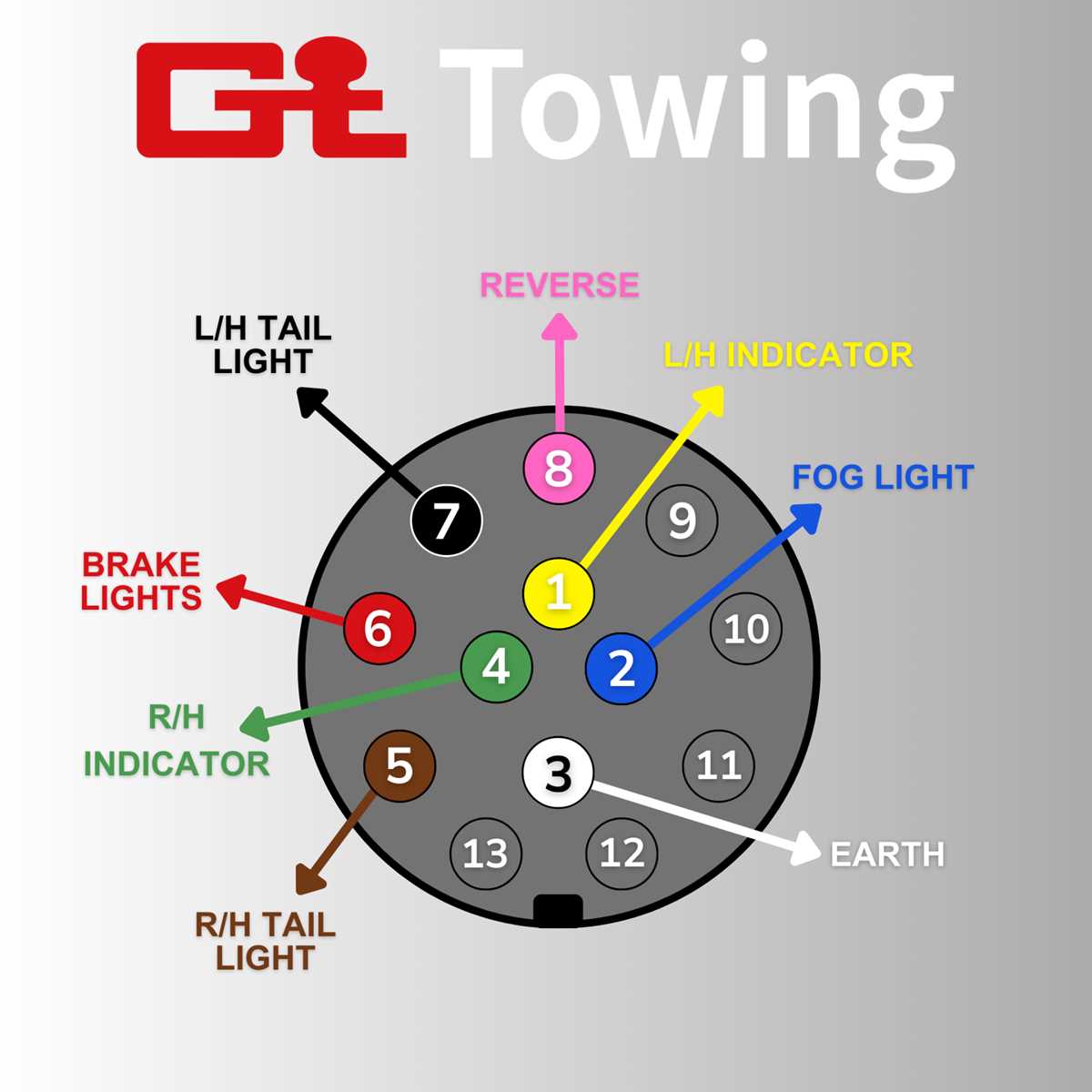
Ensure proper alignment of each lead before establishing connections to prevent short circuits and signal interference. Use a continuity tester to confirm each wire is routed correctly to the corresponding terminal.
Connect the ground wire first to create a stable reference point for all signals. This minimizes the risk of erratic brake or turn signal function and ensures reliable operation of marker and tail lights.
Verify signal and brake leads individually by activating the tow vehicle’s indicators while observing the connected lights. Adjust any loose or corroded terminals to maintain consistent conductivity and avoid flickering.
Secure all leads with weather-resistant fasteners to prevent movement or abrasion against the frame. Position the harness to avoid sharp bends that could damage insulation or interrupt current flow during transit.
Four Flat Trailer Connection Guide
Begin by matching each conductor to its corresponding function using color codes: green for right indicators, yellow for left indicators, brown for tail and marker lights, and white for the ground connection. Verify continuity before finalizing any connections to avoid intermittent faults.
Secure the harness along the frame using clips or cable ties to prevent abrasion and movement during transit. Check each terminal for corrosion or looseness, as poor contact can cause flickering signals or complete failure of the connected lighting system.
Understanding the function of each connector lead
Connect the green conductor directly to the right-side signal light; it carries the current that activates both braking and directional indicators on that side. Ensure the connection is snug to prevent flickering or intermittent function.
The yellow lead powers the left-side signal and brake lamp. Attach it with corrosion-resistant terminals to maintain consistent contact. Avoid twisting wires together without proper connectors, as this increases resistance and heat buildup.
The white wire serves as the common grounding path. It should be securely fastened to the metal frame near the lamp assembly. A loose ground causes erratic flashing and can trigger vehicle sensors falsely.
The brown conductor delivers power to the rear position lights. Check voltage with a multimeter before final attachment; it should match the vehicle’s running light output to prevent overloading the bulbs.
Inspection tip: Confirm each lead’s insulation is intact, especially where it bends around corners or near metal edges. Exposed copper increases the risk of shorts and corrosion over time.
Sequential testing
Apply voltage to each line individually while observing the connected light. Right-turn, left-turn, and tail illumination must operate independently. Any cross-activation indicates misrouting or reversed polarity.
Labeling each conductor before installation simplifies troubleshooting later. Use color-coded tags or numbered clips to match vehicle-side outputs, preventing errors during maintenance or replacement of the harness.