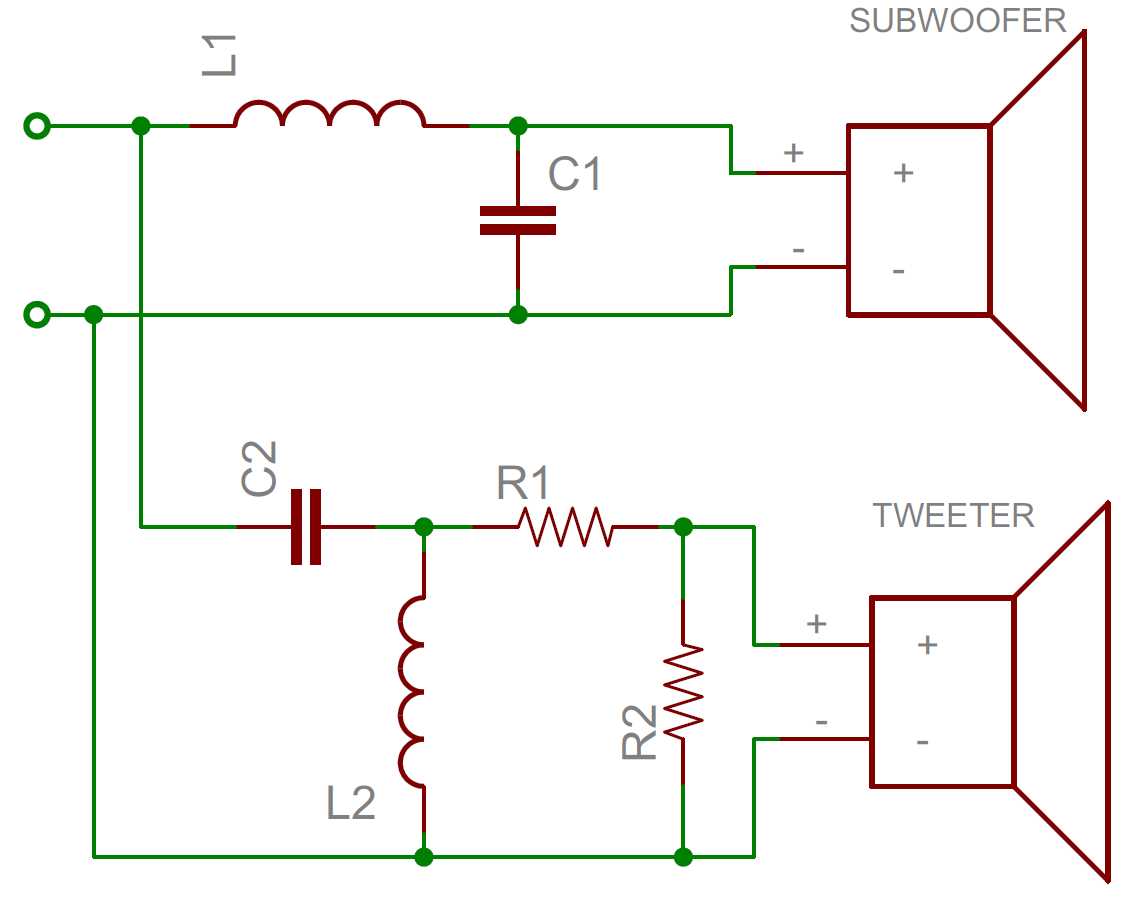
Always verify the polarity of each component before making connections. The positive lead must align with the higher potential rail, while the negative lead attaches to the ground reference to prevent malfunction or damage.
Use a multimeter to confirm continuity across the terminals and ensure the component matches the intended voltage rating. Overvoltage exposure can cause leakage or catastrophic failure, so check the label markings and tolerances carefully before insertion.
Secure all connections firmly to reduce the risk of vibration-induced dislodging in dynamic environments. Solder joints should be shiny and free of cold spots, and lead lengths trimmed to prevent accidental shorts with neighboring tracks or traces.
Test the assembled section under controlled power before full system operation. Observe for unexpected heat generation, unusual current draw, or voltage drops, which may indicate reversed polarity or incorrect placement of the storage elements.
Understanding Electrolytic Capacitor Installation and Circuit Layout
Confirm component orientation before soldering. The longer lead should connect to the positive bus while the shorter lead attaches to the common ground. Reversing polarity can cause leakage, venting, or rupture under load.
Choose the correct voltage and capacitance ratings for each section of the assembly. Components with insufficient voltage tolerance or mismatched capacity may fail quickly, leading to instability or permanent damage of connected modules.
Arrange multiple storage units in parallel or series depending on voltage and current requirements. Parallel connections increase total charge storage, while series connections increase voltage tolerance. Ensure equal voltage sharing to prevent overloading individual elements.
Minimizing Track Resistance and Inductive Effects
Keep leads short and traces wide where high current is expected. Avoid sharp bends or unnecessary loops that can introduce inductive spikes, which may reduce filtering performance or generate unwanted oscillations in the assembly.
Securing and Insulating Components
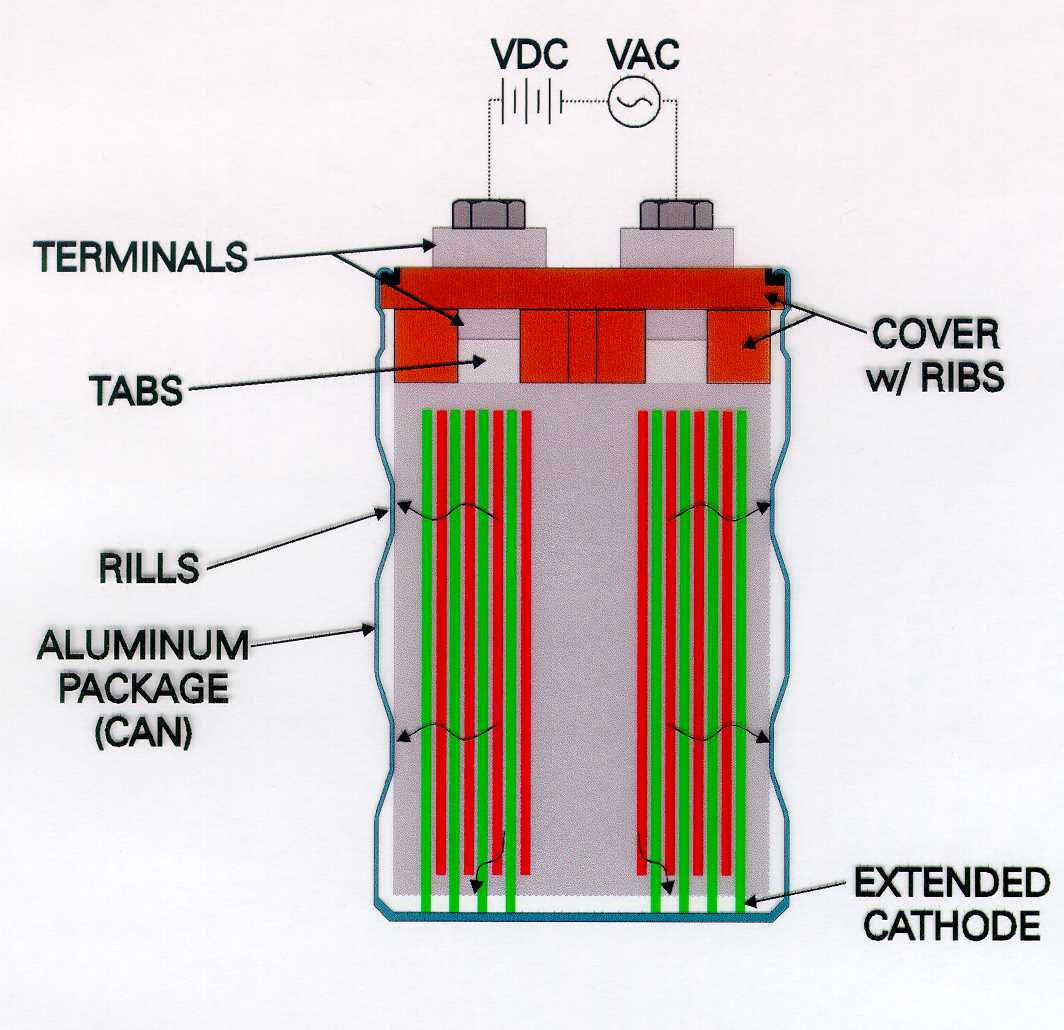
Use heat-resistant sleeves or spacing supports to prevent contact with adjacent elements. Fasten components so vibration or thermal cycling does not loosen connections, and maintain at least 2–3 mm clearance from other conductive parts to reduce short risks.
Test under incremental voltage before full operation. Monitor for abnormal heating, leakage, or ripple effects, which indicate misplacement or improper connection. Adjust layout if localized stress or hotspots are detected to ensure long-term stability.
Identifying Polarity and Lead Orientation for Electrolytic Capacitors
Always verify the positive and negative terminals before installation. The longer lead typically connects to the supply line with higher potential, while the shorter lead must attach to the common return. Incorrect orientation can cause leakage, excessive heating, or catastrophic failure during operation.
Markings on the body provide critical polarity cues. Look for the stripe or minus symbol indicating the negative side and match it to the designated bus. Ensure leads are fully seated in the board or socket and maintain correct spacing to prevent accidental shorts or reverse voltage stress.