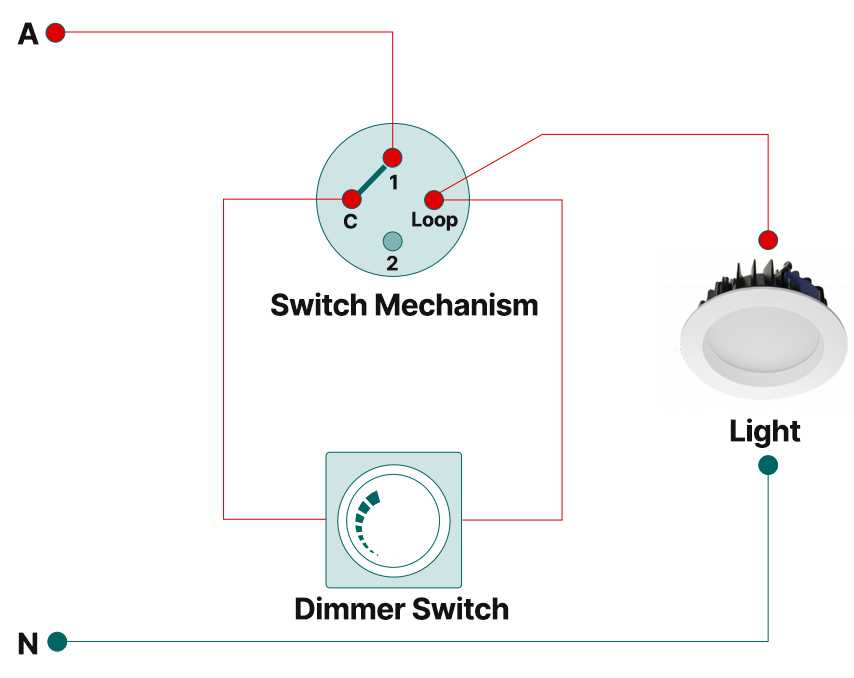
Install a compatible rotary or slider module on the live line to regulate brightness safely. Ensure the module matches the voltage and wattage of your fixtures to prevent overheating or flickering.
Use proper grounding and secure connections with screw terminals or push-in connectors. Loose wires can cause sparks or inconsistent performance, so double-check each link before powering the system.
Select the correct load type for your fixtures, whether incandescent, LED, or halogen. Some controllers require specific load ranges; mismatched devices can reduce lifespan or trigger unwanted shutdowns.
Position the regulator away from heat sources and moisture. Keeping it in a dry, ventilated enclosure prevents premature failure and maintains stable voltage control across multiple lamps.
Wiring a Variable Lighting Controller
Connect the live and load wires directly to the rotary or slider module, ensuring the line and neutral paths are clearly identified. Use a rated fuse inline to protect the device from overloads and prevent voltage spikes from damaging the connected lamps.
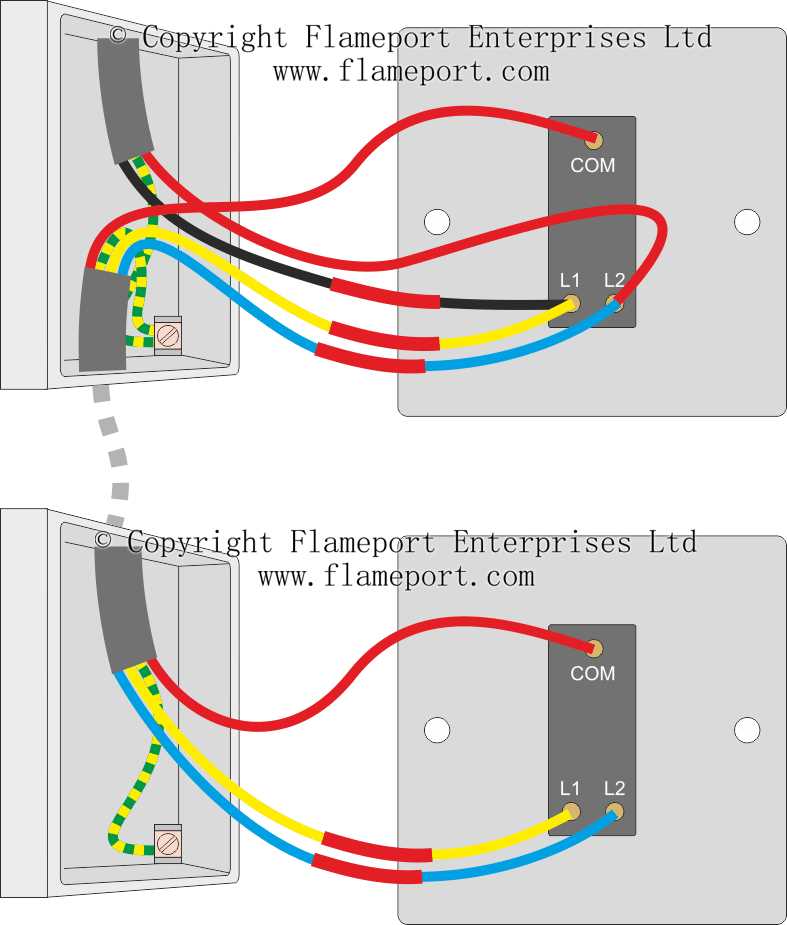
For multi-location setups, install traveler lines between each control point and the main fixture. Maintain consistent wire gauge and avoid sharp bends to reduce resistance, allowing smooth adjustment of brightness levels across all points without flicker or delay.
Connecting a Single-Pole Lighting Controller
Turn off power at the breaker panel before beginning any installation. Identify the incoming live wire and the outgoing load wire that leads to the fixture. Mark each wire clearly to avoid confusion during connections.
Follow these steps for safe attachment:
- Strip ¾ inch of insulation from each wire end.
- Connect the live wire to the input terminal of the module.
- Attach the load wire to the output terminal leading to the fixture.
- Secure the ground wire to the green screw or grounding point.
- Twist connections tightly and cover with wire nuts or terminal caps.
After all connections are secure, mount the controller in the wall box, ensure no wires are pinched, restore power, and test the adjustment function. Flicker or uneven response indicates a loose connection or incompatible load, which should be corrected before regular use.