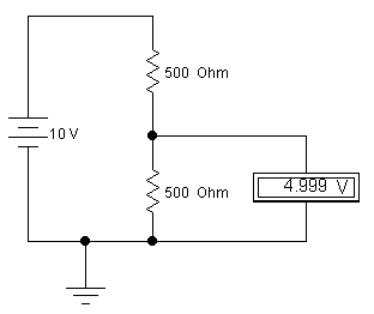
Use color-coded conductors to reduce errors when assembling residential or small-scale electronic assemblies. Red or black lines indicate live paths, white represents neutral, and green or bare copper is reserved for grounding. Proper identification prevents short circuits and protects sensitive components.
Test all connections with a multimeter before powering the system. Measure voltage continuity along each path and verify that switches and relays operate as intended. This step ensures safety and confirms that current flows according to design specifications.
Organize components logically to minimize crossing paths and avoid cluttered layouts. Keep resistors, capacitors, and control modules in aligned sequences, maintaining clear separation between high-current and low-current routes. This arrangement reduces the risk of interference and simplifies future maintenance.
Label each junction and terminal clearly using durable markers or heat-shrink labels. Marking live, neutral, and grounding points allows quick troubleshooting and prevents mistakes during upgrades or repairs, especially when multiple circuits are present in the same panel.
Guided Approach to Electrical Layouts
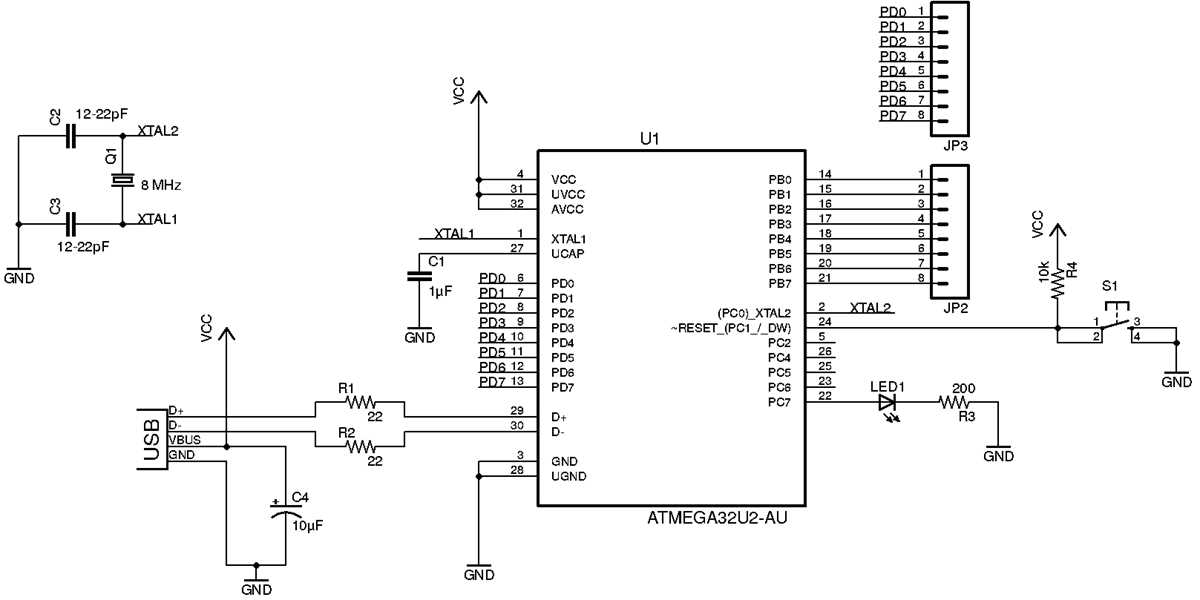
Arrange components by function and voltage level to prevent interference and make troubleshooting easier. Place high-current elements like transformers and relays apart from sensitive signal paths. Use insulating barriers when routes cross to avoid accidental shorts.
Maintain consistent track widths and spacing on boards or panels. Tracks carrying more than 2 amps should be at least 1.5 mm wide to handle heat without damage. Keep low-voltage signal lines separate from power lines to reduce noise and ensure reliable operation of sensors and microcontrollers.
Document connections clearly using labeled terminals and reference markers. Assign unique identifiers to each component and connection point to simplify maintenance, modification, and testing. Proper labeling reduces errors when replacing parts or expanding the system in the future.
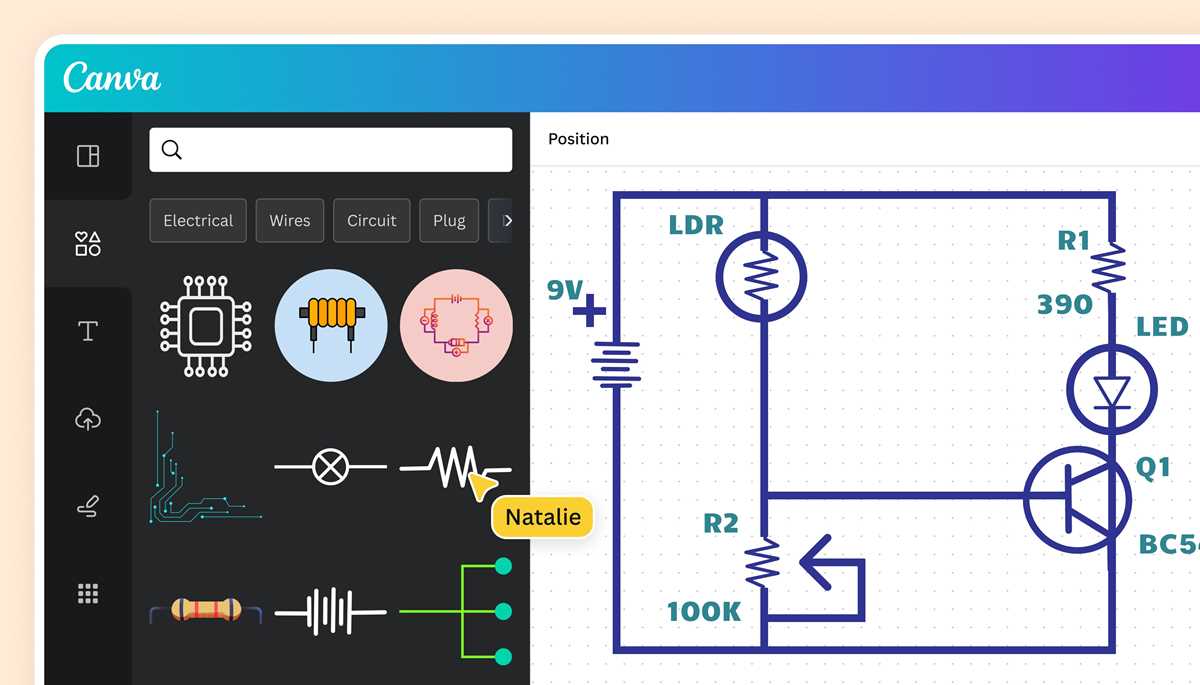
Understanding Basic Symbols and Connections in Electrical Schematics
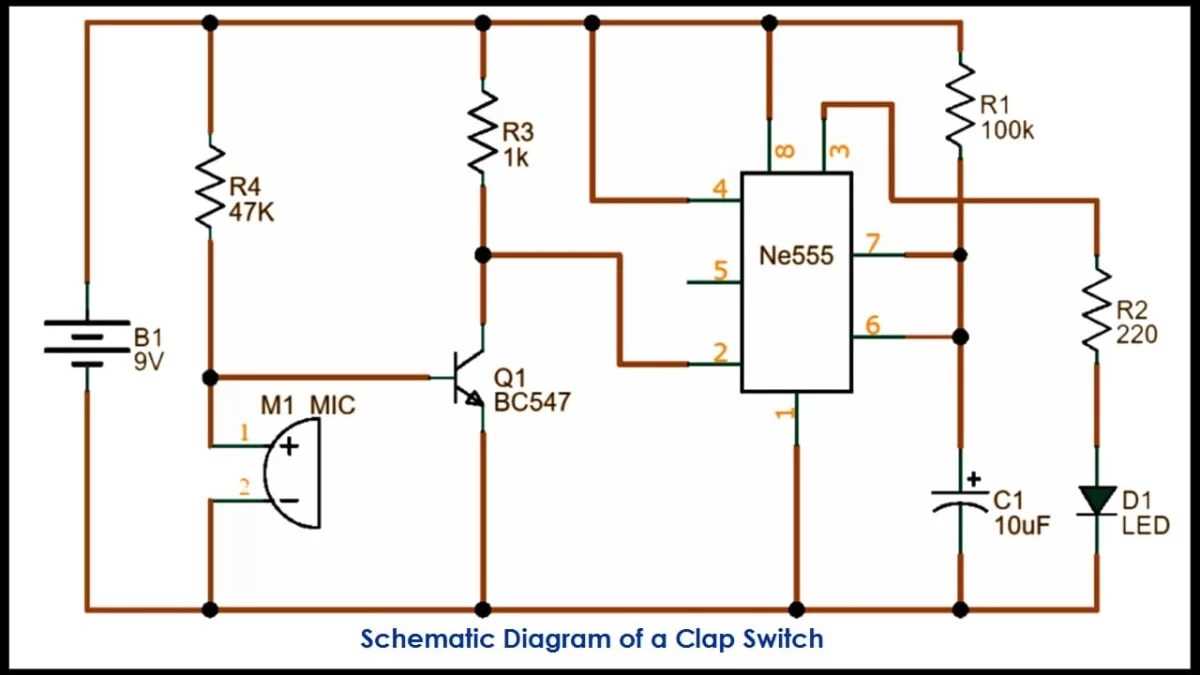
Recognize standard symbols for resistors, capacitors, diodes, and switches to read layouts quickly. Resistors are shown as zigzag lines or rectangles, while capacitors appear as parallel lines with spacing. Diodes have a triangle pointing to a line, indicating current flow direction.
Identify power and ground connections early in the schematic. Positive voltage rails are often marked with +V or Vcc, and ground with a downward triangle or horizontal line. Ensuring correct polarity is critical to prevent component damage.
Follow connection points carefully where lines intersect. A solid dot indicates an electrical junction, whereas crossed lines without a dot show no connection. Misreading these can result in short circuits or incomplete paths.
Use labeling to simplify understanding. Components often have reference designators like R1, C2, or Q3. Keep a separate list describing each element’s value and rating for faster identification during assembly or repair.
Trace signal flow logically from input to output. Start with sources like batteries or adapters, follow switches or relays, then track through active components such as transistors or ICs. This approach helps in debugging and predicting operational behavior.
Apply consistent line conventions in your sketches. Solid lines typically represent wires, dashed lines for optional or hidden connections, and arrowed lines for control or signal paths. Clear conventions reduce misinterpretation and improve collaboration when sharing schematics.