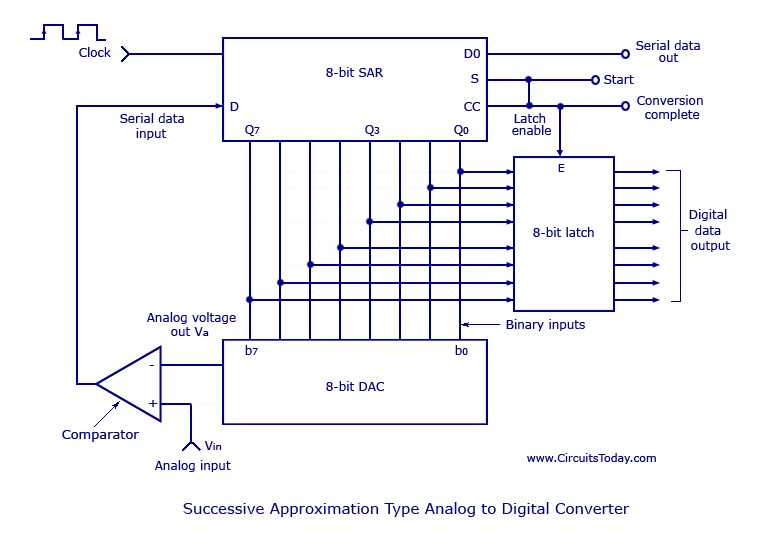
To successfully convert an electrical signal into a format that can be processed by a computer, begin by focusing on the input stage. This step involves capturing the continuous signal and preparing it for the sampling process. Accurate filtering is crucial here, as it ensures that only the desired frequencies are passed through for conversion.
Next, implement a method to sample the signal at regular intervals. Each sample represents the value of the continuous signal at a specific point in time. The frequency at which this happens is critical to the accuracy of the final result. A higher sampling rate results in a more precise representation of the original signal.
After sampling, each value must be assigned a specific digital value in a process known as quantization. The range of possible values is divided into discrete steps, and each sample is mapped to the closest step. This process reduces the continuous signal to a series of digital numbers that can be processed by a computer.
Finally, the converted output must be properly formatted for integration into a digital system. This may involve preparing the data for transmission, storage, or further processing. Ensuring that the output matches the specifications required by downstream components is essential for the system’s functionality.
Constructing the Signal Conversion System
Start by amplifying the incoming signal using a precision op-amp. This step ensures the input signal is within the optimal range for further processing. Select an op-amp with low offset voltage and high bandwidth for better accuracy. After amplification, implement a sample-and-hold circuit to stabilize the signal during the conversion process. This circuit captures the signal at a specific moment and holds it steady, preventing fluctuations during the next stages of the process.
Quantization and Data Output
Once the signal is captured, use a high-resolution component to translate the signal into discrete values. A 12-bit or 16-bit resolution module will provide enough accuracy for most applications. After the conversion, send the data to a microcontroller or similar processing unit for further analysis or storage. Ensure that the output format is compatible with your system’s requirements, and check for any potential noise or interference in the signal to maintain data integrity.
Building the Input Stage for Analog Signal Conversion
Begin the process by using a precision operational amplifier (op-amp) to enhance the input signal. Choose an op-amp with high input impedance and low offset voltage to ensure accuracy and minimize signal distortion. The op-amp should have an adjustable gain to handle varying signal levels and provide the necessary amplification before the signal moves on to the next stage. Pay close attention to the bandwidth of the amplifier to ensure it covers the full range of the desired signal without introducing unwanted noise or attenuation.
Signal Conditioning and Filtering
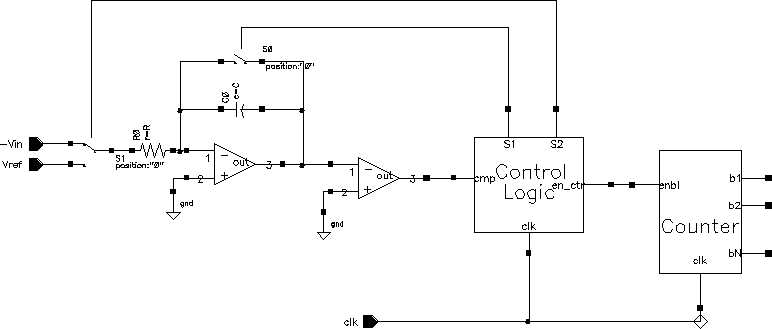
After amplification, incorporate a filtering stage to clean up the signal and remove any high-frequency noise. A low-pass filter with a cutoff frequency matched to the signal’s bandwidth will efficiently suppress unwanted noise. To maintain a stable, steady signal, add a sample-and-hold circuit after the filter. This will freeze the input at a specific moment in time, preventing any fluctuations from affecting the conversion process. Select high-quality components for the hold circuit to ensure minimal leakage and signal degradation during the hold period.