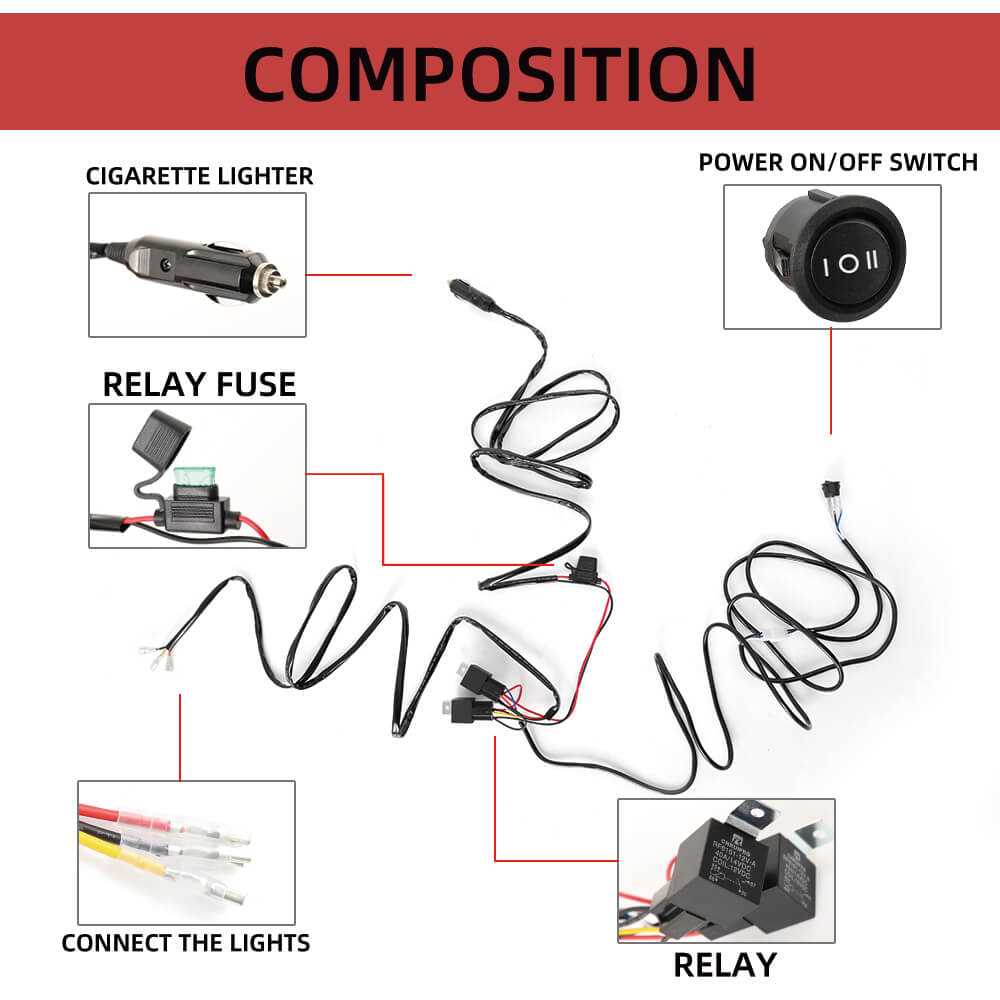
Check the fuse and power lead before testing the vehicle 12-volt socket. Most dashboard power outlets connect directly to the car battery through a dedicated fuse rated between 10 A and 20 A. This protection device is usually located in the interior fuse box or in the engine bay distribution block. If the outlet stops supplying power, the fuse is the first component to inspect.
The electrical path for a typical automotive accessory outlet is simple. A positive lead runs from the battery through a fuse to the center contact of the socket, while the outer metal shell connects to chassis ground. When a plug enters the socket, its center pin touches the positive contact and the side springs connect to ground, completing the circuit.
Some vehicles supply constant battery voltage to the outlet, while others route the positive lead through the ignition switch. In the second case the socket becomes active only when the key is in ACC or ON position. This approach prevents devices such as compressors or chargers from draining the battery while the vehicle is parked.
Understanding the electrical layout of this accessory outlet helps during installation of extra sockets or troubleshooting a dead power port. Clear connection drawings reveal the fuse location, conductor path, grounding point, and the exact contacts inside the socket assembly.
Cigarette Lighter Wiring Diagram With Fuse Power Line and Ground Connection
Run the positive conductor from the vehicle battery through a fuse before connecting it to the dashboard power outlet. Most automotive accessory sockets operate on a 12–14.4 volt system and require a protective fuse rated between 10 A and 20 A. The fuse is usually installed in the interior fuse panel or in a small inline holder placed along the power lead. This protection stops current flow if a short occurs inside the outlet or attached device.
The internal structure of the socket includes two electrical contacts. The center pin carries positive voltage, while the outer metal shell connects to the vehicle chassis ground. When an accessory plug enters the port, the plug tip touches the center contact and the side springs connect to the metal shell, completing the electrical path.
Power supply path inside a vehicle accessory outlet system
The electrical route usually follows a simple sequence. Battery voltage travels through a fuse, then through a short conductor routed behind the dashboard, and finally reaches the center contact of the outlet.
Ground return uses the vehicle body as the conductor. A short black lead from the outlet housing attaches to a metal frame point under the dashboard. Clean metal contact is required because corrosion or paint increases resistance and may cause voltage drop or device overheating during high current use such as portable compressors or power inverters.
Cigarette Lighter Wiring Diagram Power Source Fuse and Ground Connection Layout
Route the positive supply from the battery through a fuse before it reaches the dashboard power outlet. This socket normally operates on the vehicle 12–14.4 volt system and can draw significant current when devices such as compressors, tire inflators, or power inverters are connected. A fuse rated between 10 A and 20 A protects the electrical line and prevents damage to the vehicle harness.
The positive conductor usually leaves the battery or interior fuse block and travels behind the dashboard toward the accessory outlet. Many vehicles connect this line through the ignition switch so the outlet becomes active only when the key is in ACC or ON position. Some models provide constant battery voltage, allowing phone chargers or dash cameras to operate while the engine is off.
Main elements in the outlet power path
- vehicle battery or fuse distribution block
- protective fuse placed in the fuse panel or inline holder
- positive conductor routed through the dashboard harness
- center contact inside the accessory socket
The internal structure of the socket includes a central positive terminal surrounded by a cylindrical metal shell. When an accessory plug is inserted, the plug tip touches the center contact and the side springs connect with the outer shell, forming a complete electrical path.
Ground return usually connects directly to the vehicle body. A short conductor links the metal housing of the outlet to a chassis bolt under the dashboard. This path must provide low resistance because current can exceed 10–15 amperes when high-load devices are attached.
Inspect the fuse rating and conductor thickness before adding extra power outlets. Lines feeding these sockets often use 14 or 16 AWG copper conductors. Installing additional outlets on the same fuse without checking load capacity can cause overheating or repeated fuse failure.