Connect the positive and negative terminals directly to the battery posts using marine-grade cables with proper gauge to handle the engine load. Ensure all connectors are corrosion-resistant and secured with locknuts to prevent loosening from vibration.
Category: other
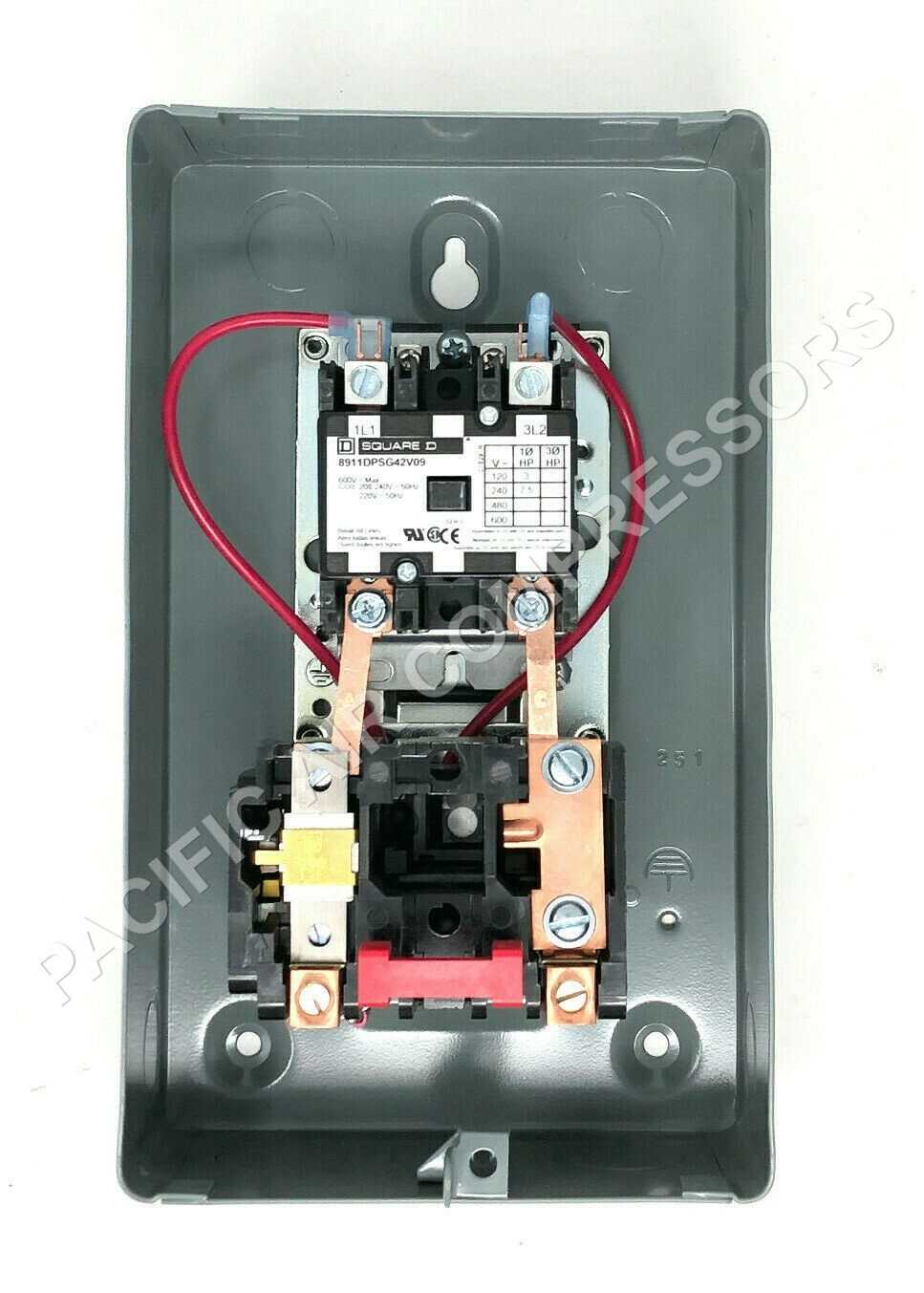
Connect the live conductor directly to the main terminal with a 15–20 amp fuse to prevent overload and short circuits. Use 14 AWG stranded copper for distances under 15 feet and upgrade to 12 AWG for runs exceeding 15 feet.
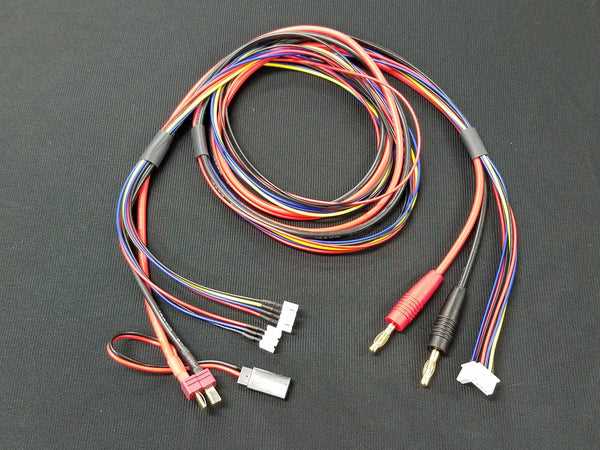
Begin by identifying the components you are working with. Ensure that all devices are powered off before making any connections to avoid short circuits or electrical hazards. The first step is to strip the wires to expose the copper ends, making sure they are free of any damage or fraying. Use the appropriate tools to avoid damaging the wires, as this could impact the signal flow.
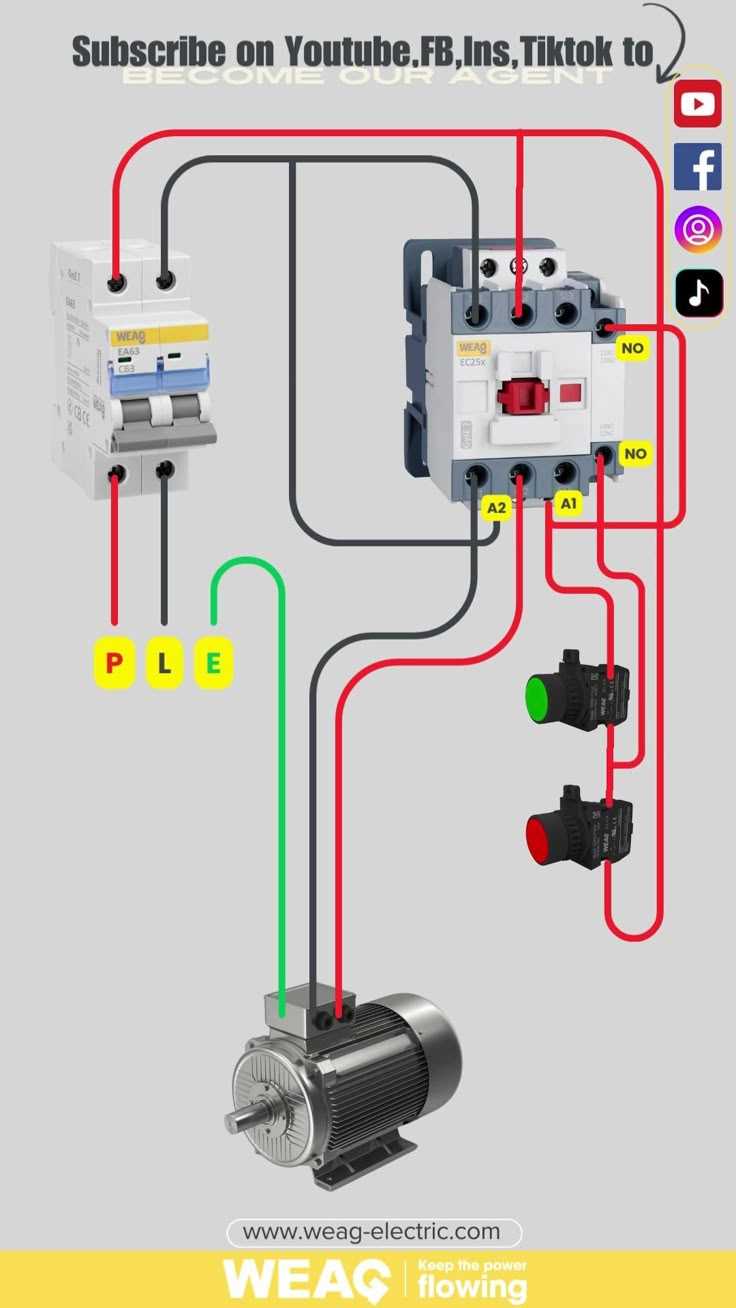
To build a functional relay-based system for controlling heavy electrical devices, start by selecting the appropriate relay based on the voltage and current requirements of your application. Choose a model that can handle the load without overheating or causing power surges. A relay with a high enough switching capacity will ensure durability and prevent malfunction during operation.

Begin by ensuring that the power is turned off at the main breaker before working with any electrical components. Select a control device suitable for the voltage and current of the circuit. Typically, you’ll need two wires: a live (hot) wire, which carries power, and a neutral wire, which completes the circuit.
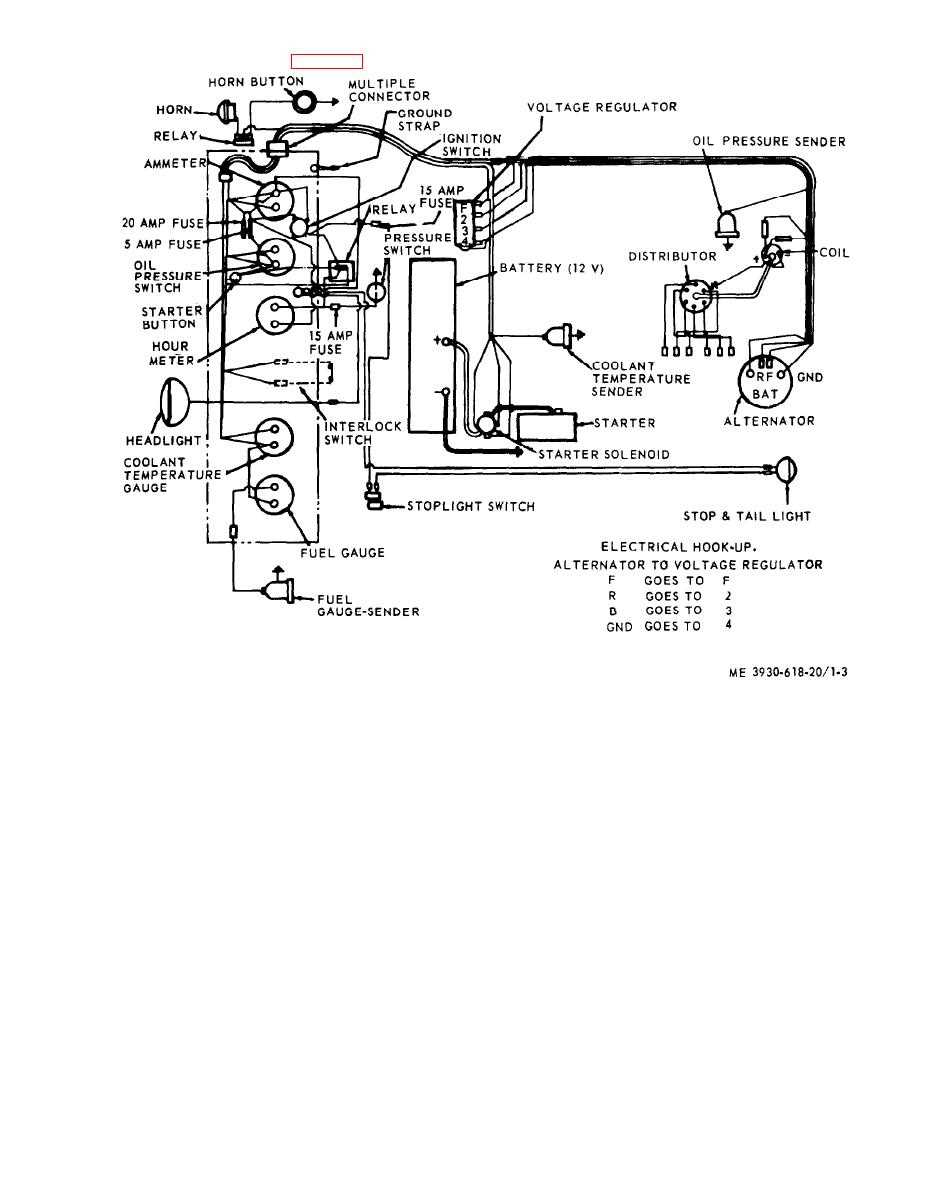
Start by identifying the key components of the electrical setup: the battery, fuses, relays, and wiring. Each of these parts plays a critical role in ensuring your vehicle runs smoothly and safely. The battery powers the entire system, while fuses protect against power surges, and relays control high-power circuits.
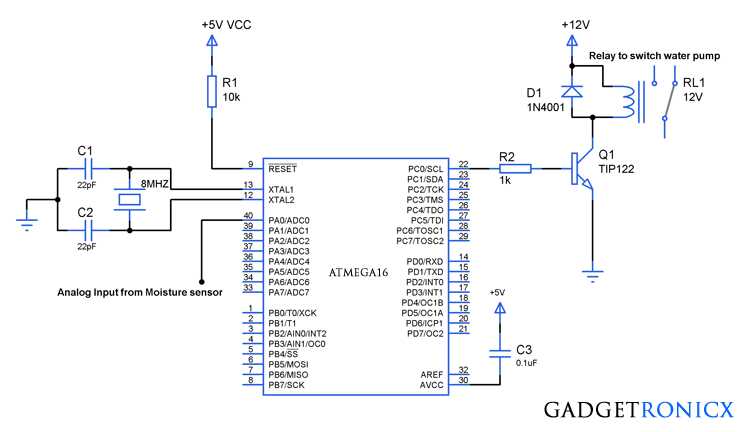
Start by connecting a moisture sensor to detect soil dryness. This sensor will control the relay that powers the water pump. When the soil is too dry, the sensor triggers the relay to activate the pump, ensuring that your plants are watered only when needed.
Start by locating the primary terminals of the unit. The first one is the power input, usually marked with a “+” or red color. It is crucial to connect this terminal to the proper voltage source to avoid damaging the system.
To set up a proper connection for high-voltage appliances, begin by identifying the four conductors that play a critical role in the system. One conductor will serve as the live or “hot” line, typically carrying the current. The other live wire is responsible for completing the circuit, ensuring that the current flows correctly. You’ll also need a neutral conductor, which acts as a return path for the current, and a grounding conductor for safety, protecting the system from electrical faults.

Connect the transformer primary to a stable AC source rated for your region. Ensure insulation on all input wires and secure connections to avoid shorts or overheating.