For optimal performance and a stable connection, it’s crucial to understand the correct wiring configuration of your cables. Follow the correct color codes and ensure that the pairs are properly twisted to prevent interference and maximize data transfer speed. Each wire in a network cable has a specific purpose, and knowing how to arrange them according to standard guidelines is key to successful installation.
Before starting, check the length and type of cable you need. Ensure you’re using the appropriate connectors and tools, such as crimpers and cable testers, to guarantee secure connections. This will prevent signal loss and interference that could hinder the functionality of your network.
When connecting the wires to the connectors, follow the exact pairing scheme to avoid misconfigurations. Misplaced wires can cause reduced speed, signal issues, or even total network failure. Proper installation will also help you avoid the costly mistake of having to redo your setup due to errors in your arrangement.
Cat6e Wiring Configuration
To begin assembling the cable, select the appropriate materials: an unshielded twisted pair (UTP) cable, RJ45 connectors, and a crimping tool. Ensure the cable is long enough to cover your intended distance but not too lengthy to cause signal loss. A good rule of thumb is to keep cables under 100 meters for optimal performance.
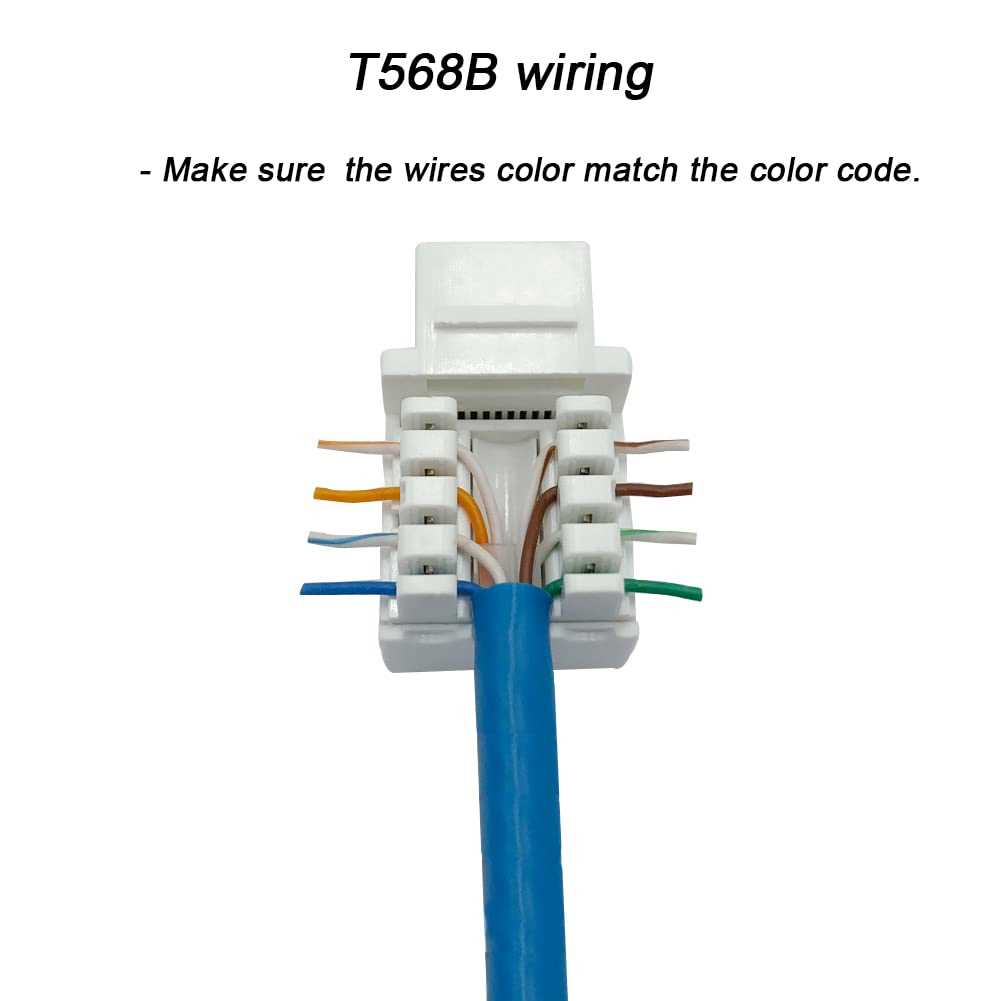
Next, strip back the outer jacket of the cable about 2 inches, revealing the twisted pairs inside. Carefully untwist the wires while keeping them in their original order. The most common color-coding schemes are T568A and T568B. Choose the one that best suits your setup, as these standards dictate the arrangement of the colored pairs inside the cable.
Pairing and Organizing the Wires
The color pairs must be organized precisely to avoid any connectivity issues. In the T568A standard, the wire pairs are as follows: white with green, green, white with orange, blue, white with blue, orange, white with brown, and brown. Ensure that the pairs are tightly twisted, as the closer the wires are to each other, the less interference and signal degradation occur.
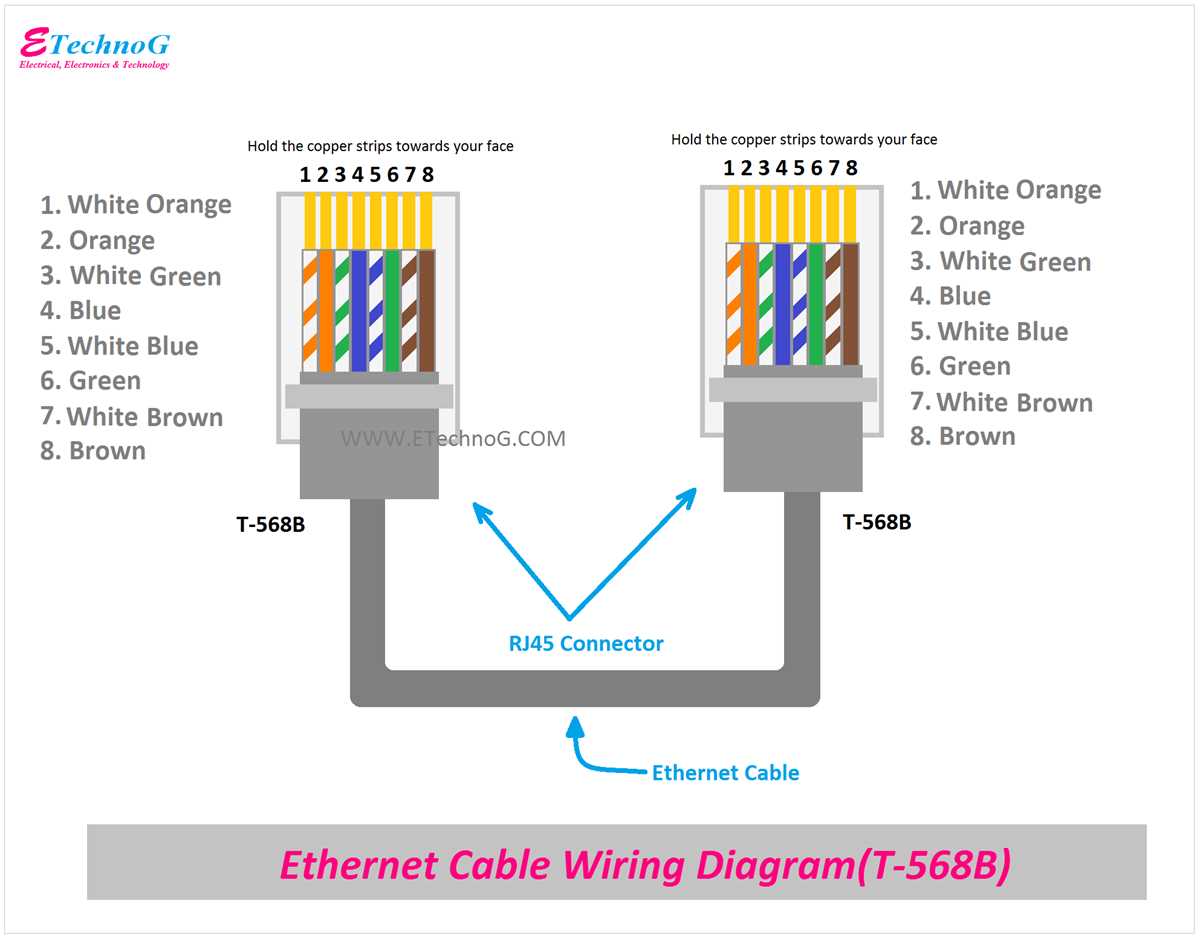
For the T568B standard, the color pairs are slightly different but follow a similar format: white with orange, orange, white with green, blue, white with blue, green, white with brown, and brown. Both configurations result in the same performance, so you can choose the one that works best for your system or the one already established in your network setup.
Attaching Connectors
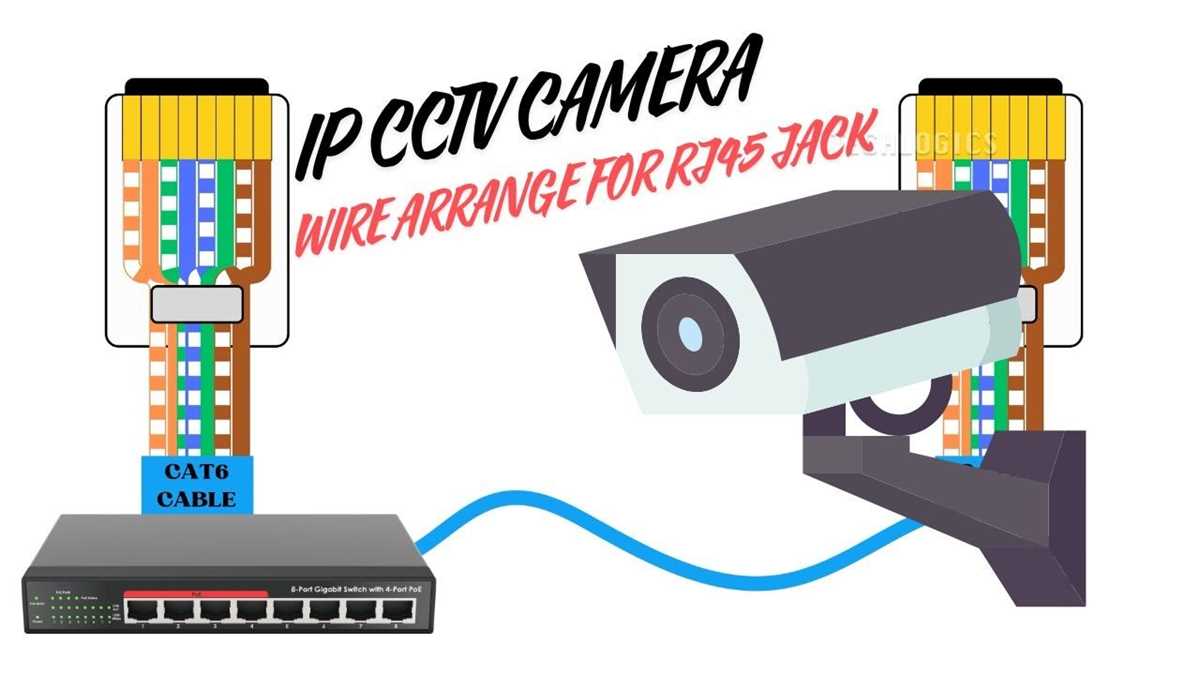
After arranging the wires in the correct order, insert them into the RJ45 connector. Each wire should reach the end of the connector. Using a crimping tool, press down on the connector to secure the wires in place. This step is crucial, as a loose connection could cause intermittent network issues or complete failure of the connection.
Once you’ve connected the cable to the RJ45 connector, test the setup using a cable tester. This tool verifies that all the wires are properly connected and that the electrical signals flow correctly through each pair. If any wires are incorrectly arranged, the tester will indicate a fault, saving you time and frustration.
Finally, if you’re making multiple connections, ensure that each cable is securely fastened and clearly labeled for easy identification. This practice helps in troubleshooting and maintenance, ensuring that any future adjustments or repairs can be done with minimal hassle.
Understanding the Different Pinouts for Cat6e Wiring
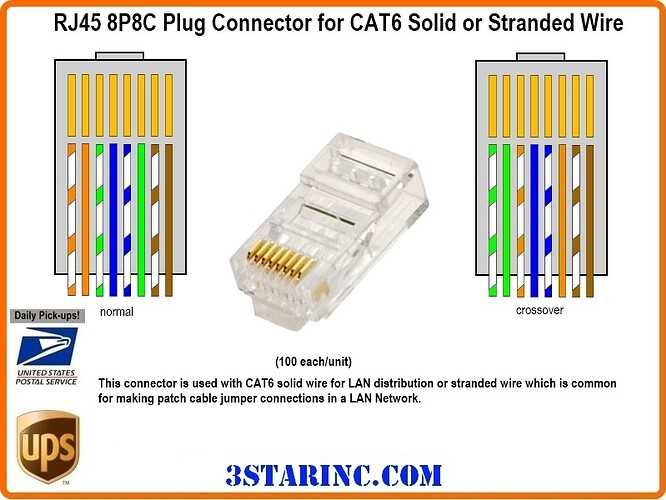
There are two primary pinout standards used for connecting cables: T568A and T568B. Both configurations ensure the same electrical performance, but they differ in the arrangement of color-coded wires. T568A is typically used for networking, while T568B is often employed in telecommunications and commercial environments. Choosing one over the other depends on compatibility with existing installations or personal preference.
T568A Pinout
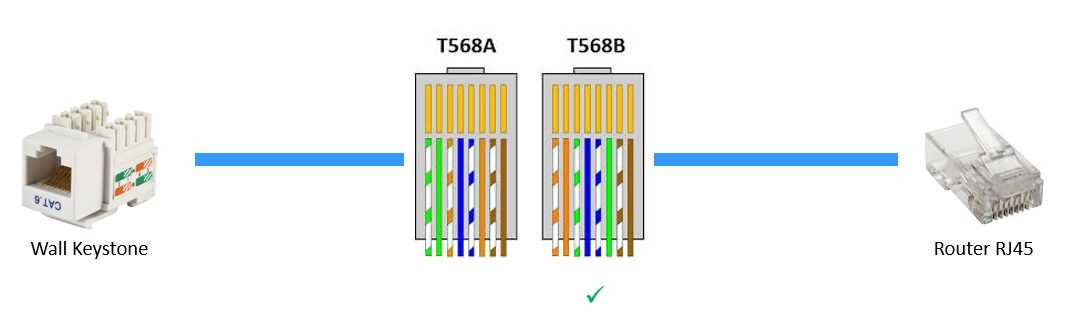
In the T568A configuration, the order of the eight wires is as follows: pin 1 is white/green, pin 2 is green, pin 3 is white/orange, pin 4 is blue, pin 5 is white/blue, pin 6 is orange, pin 7 is white/brown, and pin 8 is brown. This setup minimizes crosstalk and maintains proper signal transmission between connected devices. It’s commonly found in residential networks and ensures compatibility with other devices that follow the TIA/EIA standards.
T568B Pinout
The T568B configuration has a slightly different arrangement: pin 1 is white/orange, pin 2 is orange, pin 3 is white/green, pin 4 is blue, pin 5 is white/blue, pin 6 is green, pin 7 is white/brown, and pin 8 is brown. While this layout is not significantly different in terms of signal quality, it is often the preferred choice for businesses and structured cabling systems that adhere to older wiring standards.
Regardless of the chosen pinout standard, ensure that both ends of the cable follow the same configuration. Mismatched pinouts can cause poor connectivity or even complete failure of the connection. Using a cable tester after installation helps ensure all wires are correctly aligned and that the setup works as intended.