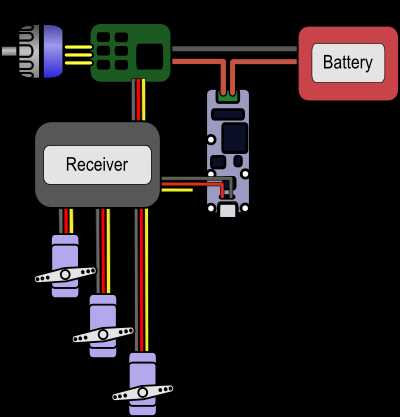
Always connect the current sensor in series with the circuit you intend to measure to avoid inaccurate readings or damage. Ensure the meter’s rating exceeds the maximum expected current by at least 20% to prevent overload.
Use insulated leads rated for the circuit’s voltage and double-check polarity to maintain proper operation. Avoid bypassing fuses or protective components, as this can create dangerous short circuits.
Calibrate the device before measuring unfamiliar circuits. For low-current applications under 1 amp, select a meter with high sensitivity to detect minor fluctuations, while for high-current setups above 10 amps, ensure a shunt or external resistor is properly installed to handle the load safely.
Label connection points clearly and secure terminals to prevent accidental disconnection during testing. Regularly inspect the measurement tool for signs of wear, corrosion, or loose contacts to maintain consistent accuracy.
Connecting a Current Measuring Instrument
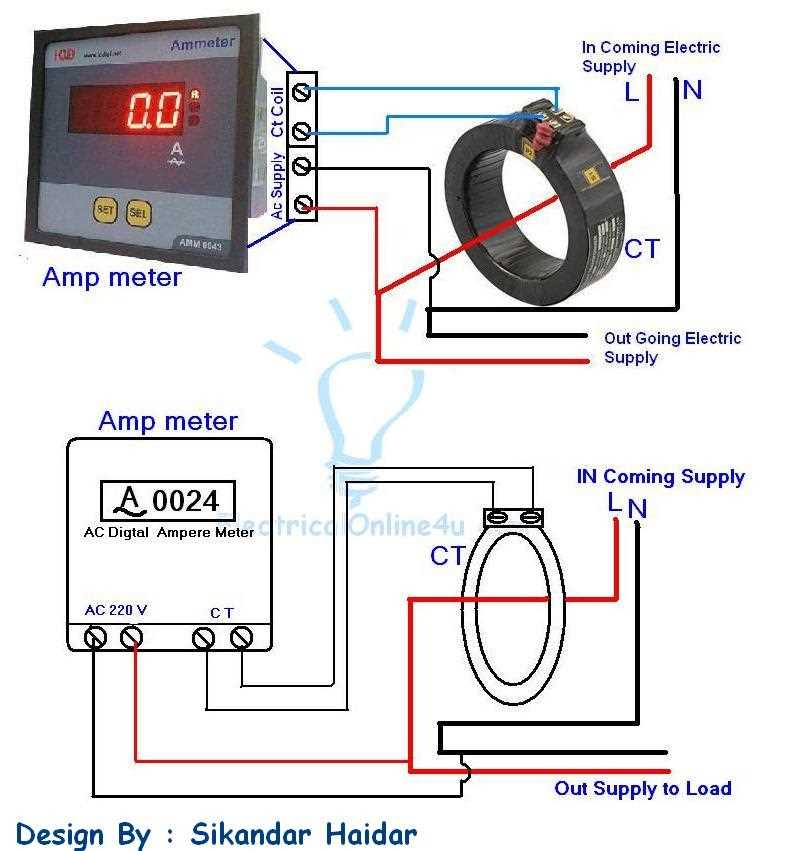
Always insert the meter in series with the circuit branch to ensure accurate current readings. Verify that the selected device can handle at least 20% more than the highest expected amperage.
Use color-coded leads to prevent confusion between positive and negative terminals. Secure each connection with a firm screw or clip to avoid intermittent contact that can distort readings.
For high-current circuits above 10 amps, include a precision shunt resistor rated for the expected load. This allows the meter to measure safely without overheating or causing voltage drops that affect other components.
Keep exposed metal parts insulated and avoid touching them during operation. Short circuits at measurement points can damage the instrument and the circuit simultaneously.
Selecting Measurement Points
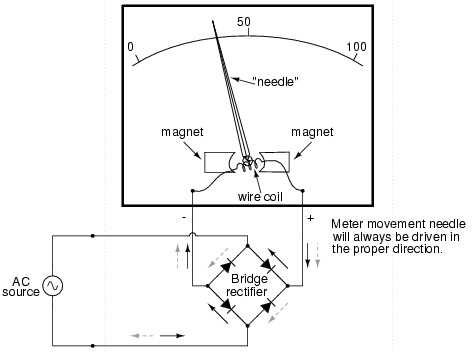
Choose points where current flows through a single path to reduce interference. Branching points or parallel connections can lead to underestimations if the meter is connected incorrectly.
Label terminals and test leads clearly to prevent accidental reversal in multi-phase setups. Even brief misconnection in AC circuits can cause rapid meter failure.
Maintenance and Safety Tips
Inspect connections regularly for oxidation or loose screws. Keep the instrument dry and store it in a protective case when not in use. Regular checks preserve accuracy and extend the service life of the device.
Connecting a Current Measuring Device in Series with a Circuit
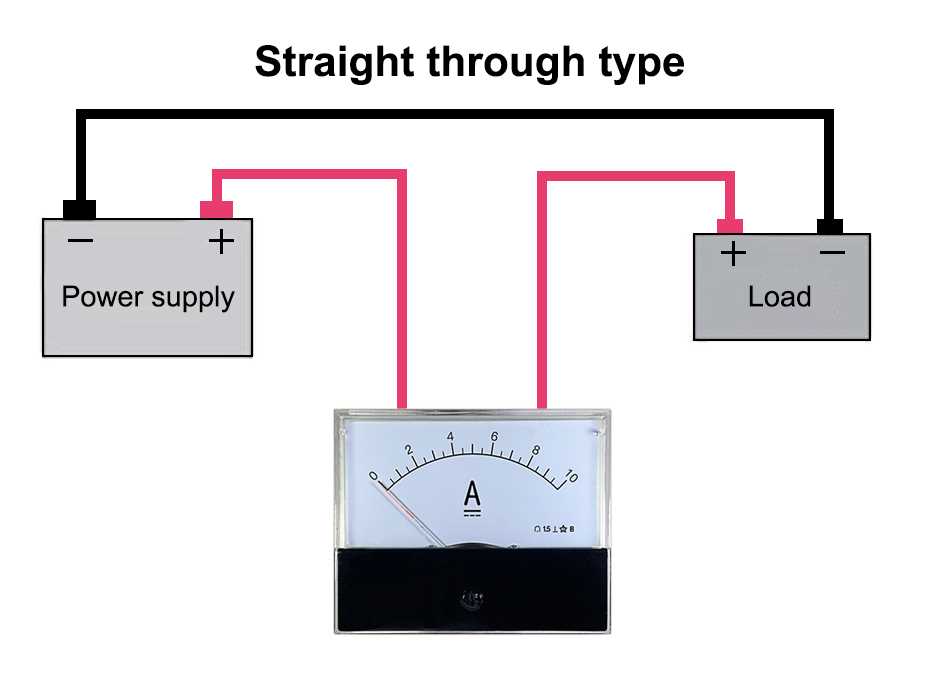
Insert the meter directly into the path of current flow to measure the exact load passing through the circuit. Ensure the circuit is powered off before making connections to prevent sparks or damage.
Check the maximum current rating of the instrument before installation. For currents above 10 amps, use a shunt resistor rated at the correct wattage to prevent overheating and maintain accurate readings.
Follow these steps for proper series installation:
- Disconnect the circuit at the desired measurement point.
- Connect the positive lead to the upstream terminal of the circuit.
- Attach the negative lead to the downstream point, completing the path.
- Secure all connections with clamps or screws to avoid intermittent contact.
Use insulated test leads and avoid touching metal terminals while the circuit is live. Misconnection can result in short circuits, inaccurate measurements, or damage to the device.
After installation, turn on the power gradually and monitor the device for correct readings. If fluctuations or unexpected jumps appear, immediately power off and recheck all connections and ratings before resuming measurement.