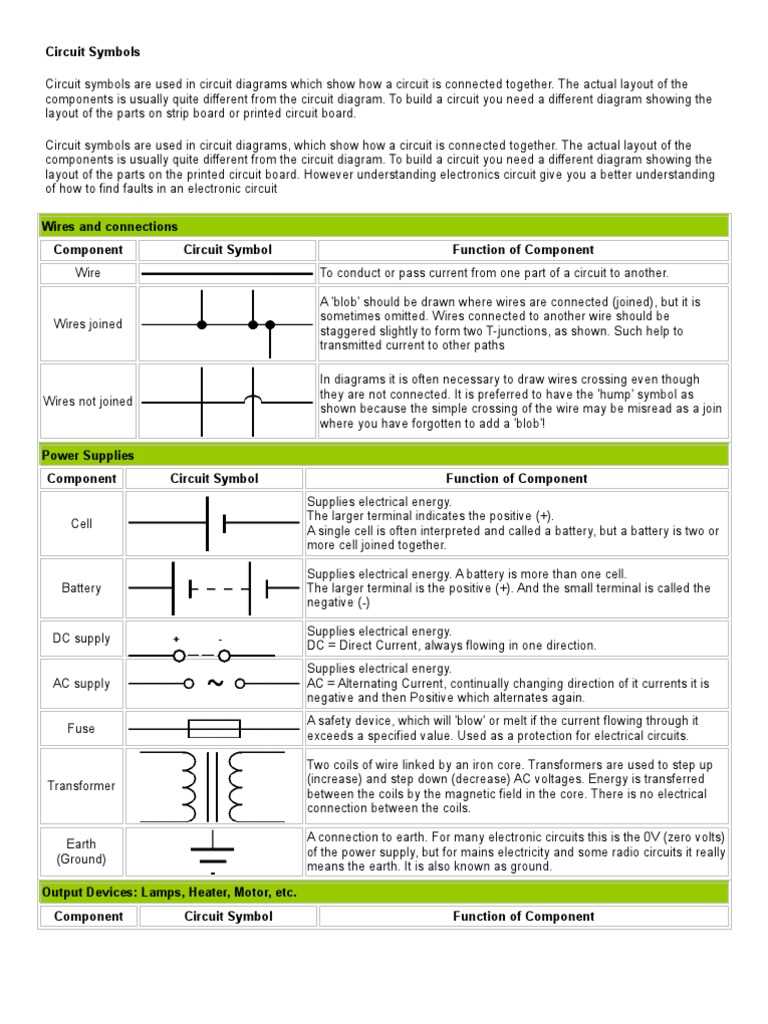
Verify resistor and capacitor values before placement to ensure proper voltage division and signal filtering. Incorrect values can cause voltage spikes or signal distortion across the system.
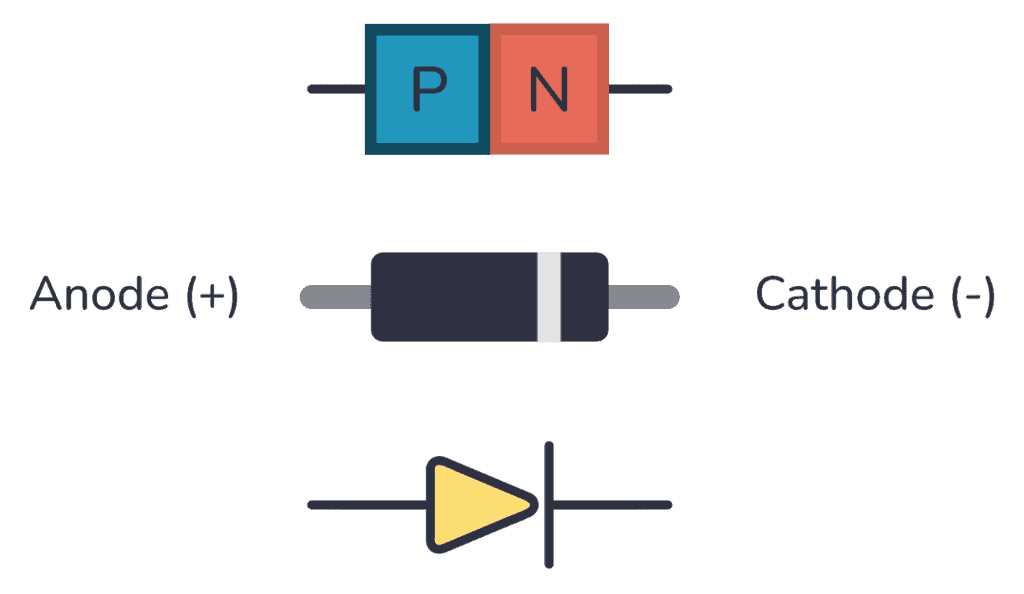
Inspect diodes and transistors for correct polarity and orientation. Reversing these elements can block current flow or trigger thermal overload in active modules.
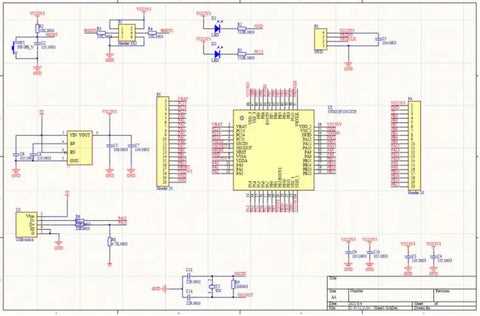
Position integrated circuits carefully on the board, aligning pins with traces accurately. Ensure stable power and ground connections to prevent malfunction or erratic behavior under load.
Label all terminals and traces when assembling multiple modules. Clear identification prevents accidental miswiring and simplifies troubleshooting if the system does not operate as intended.
Test connections progressively with a low-voltage supply to confirm continuity and correct operation before applying full power. Use a multimeter or oscilloscope to check signal paths and voltage levels.
Document each placement including resistor ratios, capacitor types, and transistor specifications. This record supports modifications and ensures consistency in reproducing the layout for similar setups.
Electronic Component Layout Guide
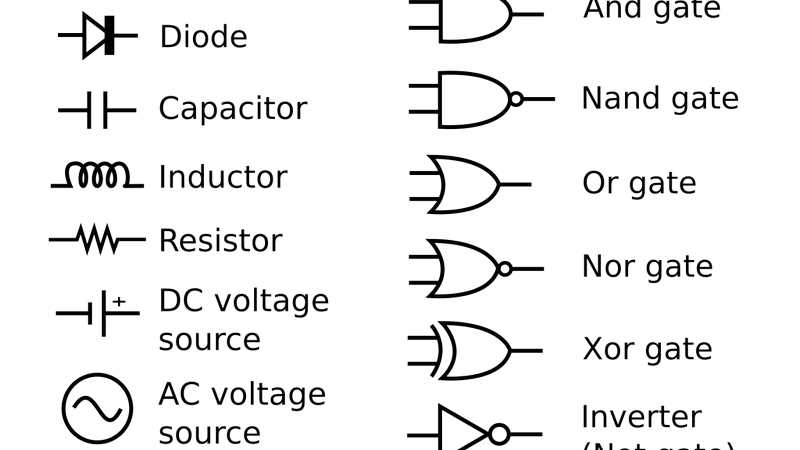
Arrange resistors, capacitors, and semiconductors to minimize trace length and reduce electromagnetic interference. Keep high-current paths separate from sensitive signal lines and maintain consistent orientation for polarized devices.
Check all connections before powering the board using a multimeter to verify continuity and correct placement. Confirm that supply and ground traces are stable, and inspect solder joints to prevent cold joints or accidental shorts that could affect performance.
Identifying Resistors Capacitors and Diodes
Measure resistor values using a digital multimeter before installation. Confirm color bands or printed values correspond to the expected ohm rating, as incorrect resistance can cause voltage drop issues or overheating in other devices.
Examine capacitors for capacitance and voltage tolerance. Electrolytic capacitors must be oriented correctly with the positive lead on the marked pad, while ceramic types should be placed according to trace polarity to maintain signal integrity and prevent leakage currents.
Check diodes with a multimeter in diode mode to verify forward voltage drop and reverse blocking capability. Ensure the cathode and anode match the designated traces; reversed installation can block current or cause thermal stress in adjacent elements.
Document all measured values and positions on a reference sheet. Include resistance, capacitance, and diode types along with tolerance ratings to simplify future maintenance or replacement, reducing the risk of incorrect substitutions during repairs.