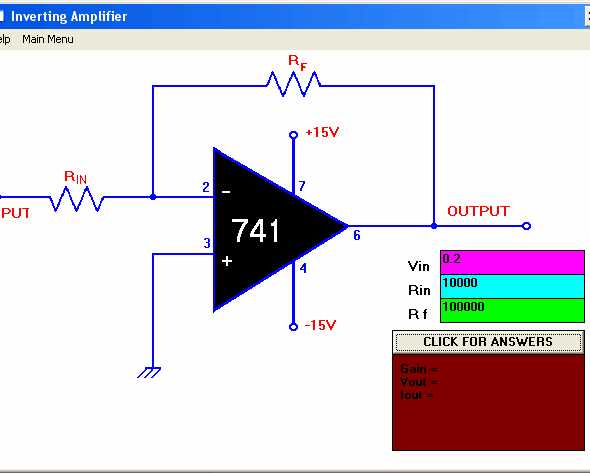
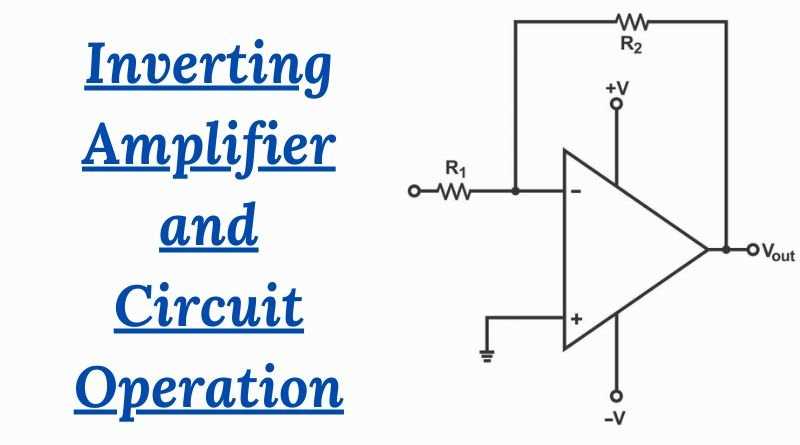
Connect the input and feedback resistors according to specified values to achieve the desired voltage gain. Incorrect resistance placement can invert the signal or reduce amplification efficiency.
Verify power supply pins on the operational module before applying input signals. Supplying incorrect voltage levels can damage the component or produce unstable output waveforms.
Route input and output lines carefully to minimize interference and avoid coupling with high-current traces. Use short, direct paths to maintain signal integrity and reduce noise.
Check the output with an oscilloscope to confirm the expected phase and amplitude. Adjust resistor ratios if the gain differs from calculations or if the waveform shows distortion.
Label each connection clearly when building multiple setups. This prevents accidental cross-connections that could lead to reversed polarity or improper feedback loops.
Test under different load conditions to ensure the module handles variations without clipping or voltage sag. Document results for comparison when modifying resistor or capacitor values for tuning.
Amplifier Connection Guide
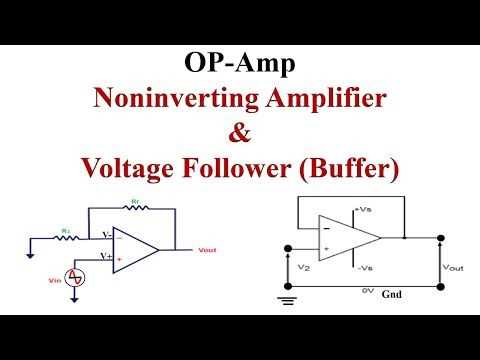
Secure the input and feedback resistors to the operational module according to the calculated ratios to achieve the desired voltage gain. Confirm that all terminals are tight and solder joints are solid to prevent signal loss or inversion errors during testing.
Route power and output lines carefully to minimize interference and maintain waveform integrity. Use decoupling capacitors near the supply pins to reduce noise, and verify the output under different load conditions to ensure stable operation without distortion or clipping.
Setting Up Inverting Amplifier Components
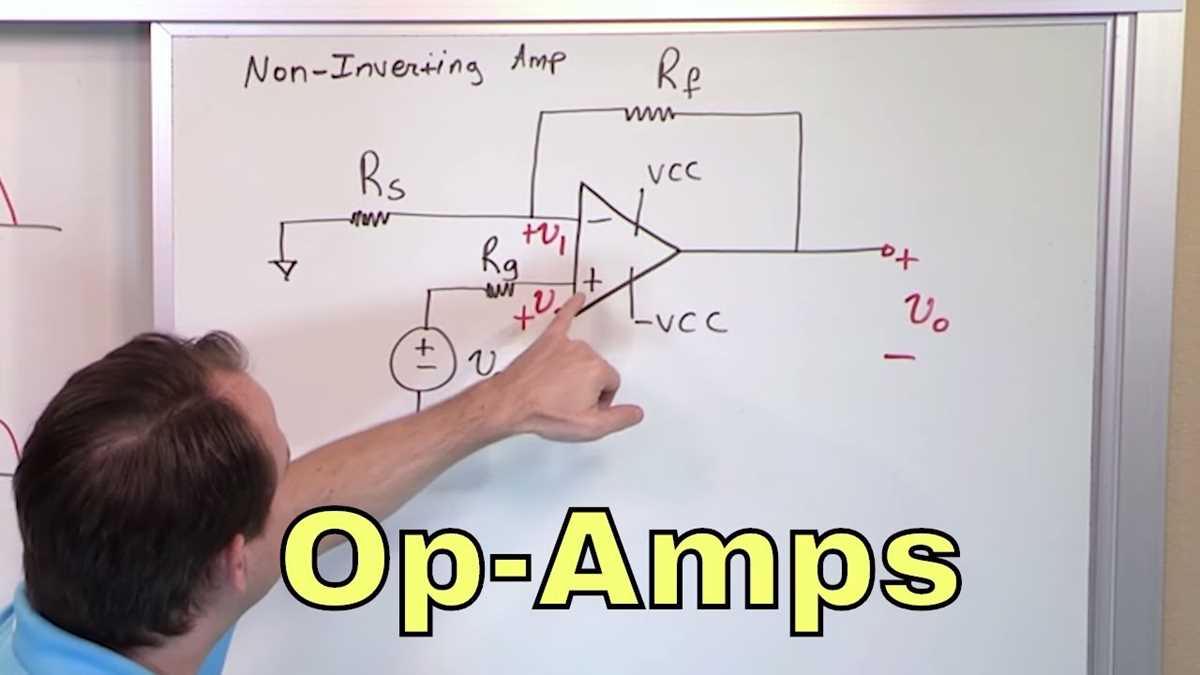
Mount the operational module securely on a non-conductive board to prevent accidental shorts and to maintain stable connections for input and feedback resistors.
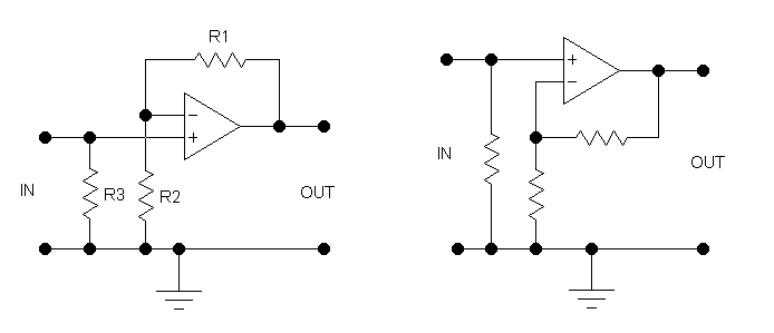
Install the input resistor directly to the negative terminal of the module, keeping the lead as short as possible to reduce parasitic capacitance that can distort high-frequency signals.
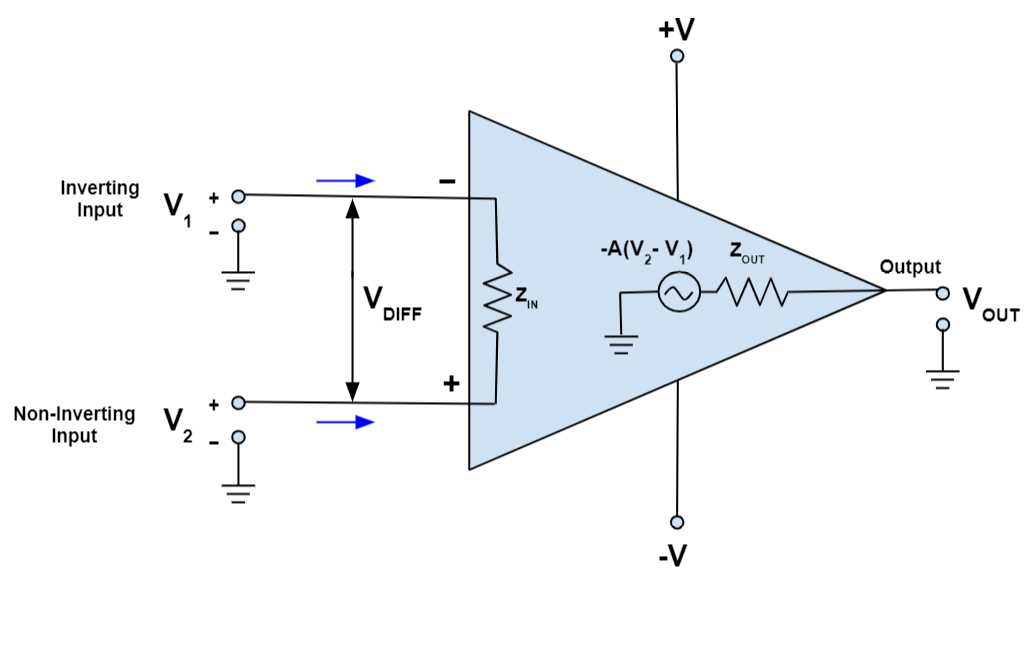
Attach the feedback resistor from the output to the negative input, ensuring clean solder joints and minimal bending to maintain accurate voltage gain as calculated.
Verify the positive supply connection to the module before powering the system. Check for correct voltage polarity to prevent damage to the operational element.
Use decoupling capacitors near the power pins to filter noise and stabilize the voltage supply. Typical values range from 0.01µF to 0.1µF ceramic capacitors depending on signal frequency.
Route the output line carefully away from high-current traces to avoid interference. Keep the path as direct as possible and avoid sharp bends that could introduce signal reflection.
Label each connection when setting up multiple modules to prevent accidental swapping of input and feedback paths, which could reverse the signal or produce unintended gain.
Test the assembled module with a low-amplitude signal first, monitoring output with an oscilloscope to confirm expected phase inversion and voltage amplification before applying higher levels.