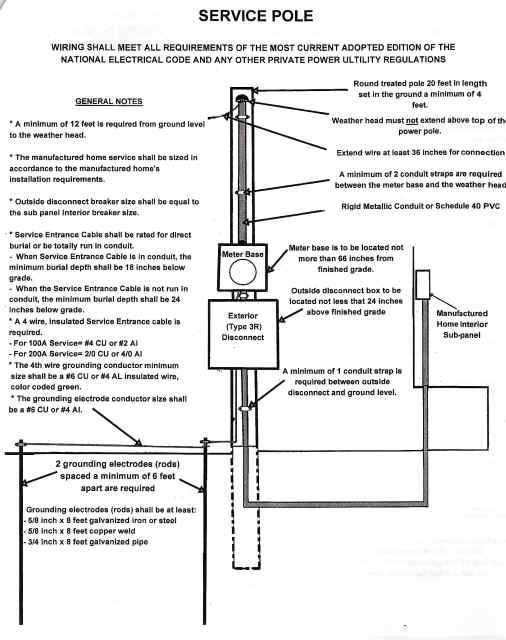
Ensure that the power supply is turned off before starting any installation or repairs. The first step is to properly size the electrical panel to meet the requirements of the dwelling. Typically, a 100-amp or 200-amp service is needed, depending on the size and number of appliances that will be used.
Identify the various circuits, such as lighting, outlets, and appliances, and determine the correct gauge wire for each. Make sure the breaker panel is properly labeled for easy identification of each circuit. Use copper or aluminum wire, with appropriate insulation, to handle the current load safely.
Grounding is a critical aspect of the installation. Attach the ground wire to a proper ground rod to prevent electrical shocks and ensure safety. Each outlet and switch should also be grounded, particularly in kitchens and bathrooms, where moisture can increase the risk of electrical hazards.
Once all the circuits are in place, double-check all connections for security and proper insulation. Test the system by gradually turning on circuits and verifying that each one is functioning correctly. Pay special attention to the main circuit breaker, as it should be able to shut off all power in case of an emergency.
Electrical Connections for Manufactured Structures
Start by ensuring that the power supply is completely disconnected before making any electrical connections. The first step is to install a central distribution panel, sized based on the number of circuits required. Use a 100-amp or 200-amp breaker panel, depending on the dwelling’s energy needs. After the panel is securely mounted, connect the incoming power cable to the main breaker. Each circuit should then be routed to the corresponding breaker for individual control.
Grounding is one of the most critical aspects in ensuring the safety of electrical systems. A dedicated ground rod should be installed outside the structure, with a grounding wire running from the panel to the rod. Proper grounding minimizes the risk of electric shock and helps to prevent electrical fires. Once the grounding is in place, proceed by connecting the outlets, lighting circuits, and appliances to the distribution panel. Always follow the manufacturer’s specifications for wire sizes and breaker ratings, and ensure that all connections are secure and insulated to avoid hazards.
How to Install Electrical Panels in Manufactured Structures
Start by selecting the appropriate electrical panel size based on the energy demand of the structure. A typical 100-amp or 200-amp service should suffice for most needs. The panel should be installed in a dry, accessible location, ensuring it’s placed according to local building codes. Position the panel so that there’s enough clearance for proper ventilation and safety, typically at least 36 inches in front of the unit.
Next, install the main service disconnect, which is typically a double-pole breaker. Run the incoming power cables from the utility connection into the panel, ensuring proper insulation and correct wire gauge according to the load. Secure the neutral wire to the neutral bus bar, and the ground wire to the ground bus bar. Double-check all connections before moving on to the branch circuits.
Connecting Branch Circuits
For branch circuits, determine which circuits are necessary for the dwelling’s electrical setup, such as lighting, appliances, and outlets. Connect each circuit to its dedicated breaker, ensuring that the wires are properly sized for each load. Secure all connections tightly, and ensure the wires are properly routed and protected from physical damage. Label each breaker clearly for easy identification in the future, and test the panel by switching on each circuit to verify correct functionality.