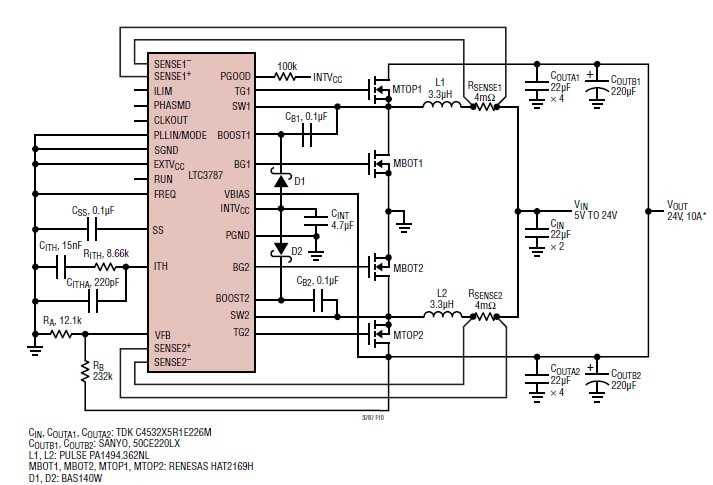
Begin by selecting the right components for your setup. A reliable transformer, rectifier, and filter are key to converting AC voltage to a stable DC output. Choose a transformer that steps down the voltage to your desired level, ensuring it can handle the required load.
Next, ensure you have the correct diode bridge for the conversion of AC to DC. A full-wave rectifier is typically used for efficiency, providing smooth direct current. Afterward, the use of capacitors in your setup will help reduce ripple, giving you a steady voltage supply.
Connect the components properly, following the correct polarity. A common mistake is miswiring the input and output terminals, which could lead to damaging the components. Verify each connection with a multimeter before finalizing the assembly.
Once the system is in place, conduct a thorough check for any overheating or voltage drops. It’s vital to ensure the components don’t exceed their rated capacities. If needed, add additional heat sinks or cooling mechanisms to prevent damage over time.
24V Electrical Setup Guide
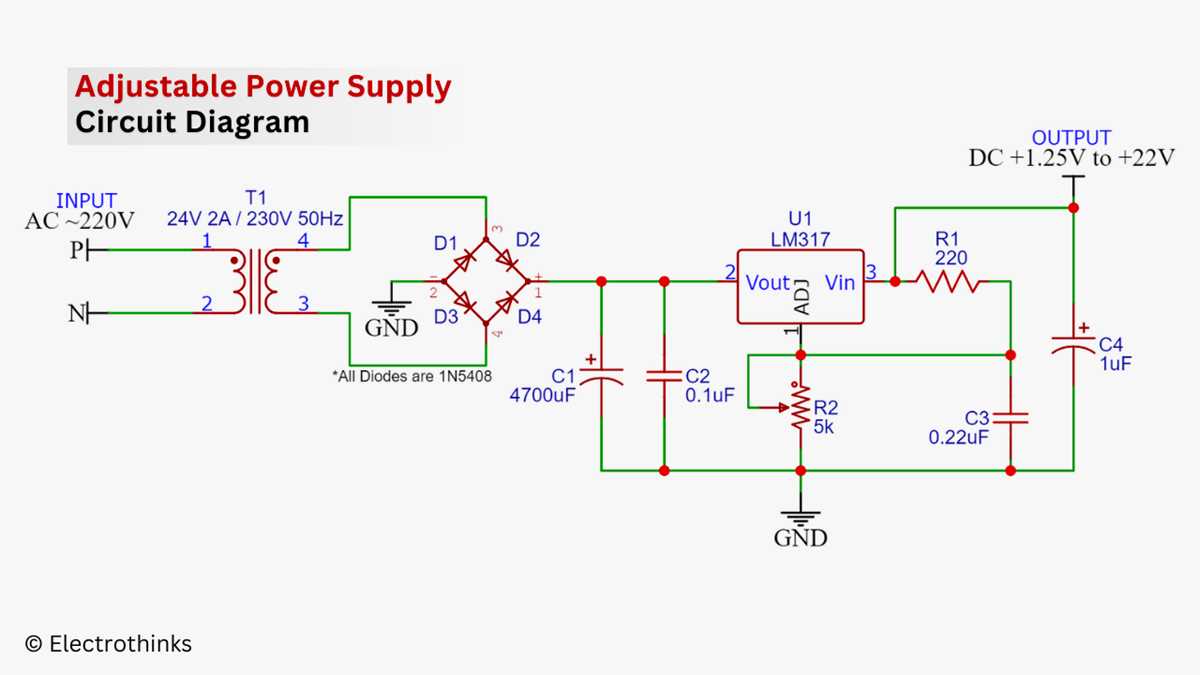
Start by choosing a transformer that can handle the required input voltage and convert it to the correct output level. The transformer’s current rating must be sufficient to meet the demands of your connected devices without overloading.
A bridge rectifier is used to convert the alternating current (AC) to direct current (DC). It’s important to select a rectifier that can handle the output current of the transformer to ensure efficient conversion. For better performance, consider using a full-wave rectifier to reduce ripple and improve efficiency.
After the rectification process, use a filter capacitor to smooth out any remaining ripple in the DC output. The size of the capacitor will depend on the load current and the level of ripple you are willing to tolerate. A larger capacitor will result in better filtering but may require more space and budget.
Finally, include protection devices such as fuses or circuit breakers to prevent short circuits or overloading. If the system is powering sensitive equipment, add a voltage regulator to stabilize the output voltage. Test the system thoroughly to ensure all connections are correct and safe before use.
Understanding the Components of a 24V Power System
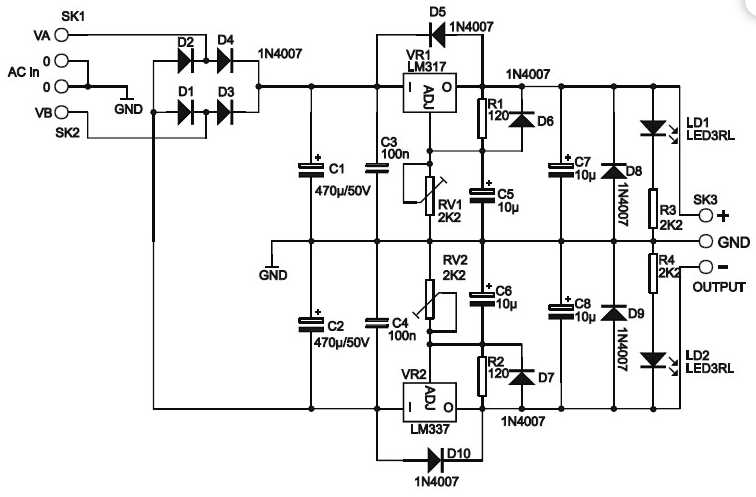
The transformer is the first key component. It steps down the voltage from the main AC supply to the desired level. When selecting a transformer, ensure that it can handle the expected input voltage and provide a stable output at the required level.
A rectifier is necessary to convert alternating current (AC) into direct current (DC). A full-wave bridge rectifier is commonly used for better efficiency. It uses four diodes to convert both halves of the AC wave into usable DC output.
To smooth out the fluctuations in the DC output, a filter capacitor is added. The capacitor stores excess energy during peaks and releases it during dips, reducing ripple. The size of the capacitor should be chosen based on the load and ripple tolerance required by your system.
The voltage regulator maintains a stable voltage output, even when the input voltage fluctuates. For a system requiring 24V, a linear or switching regulator can be used to ensure the output remains consistent under varying loads.
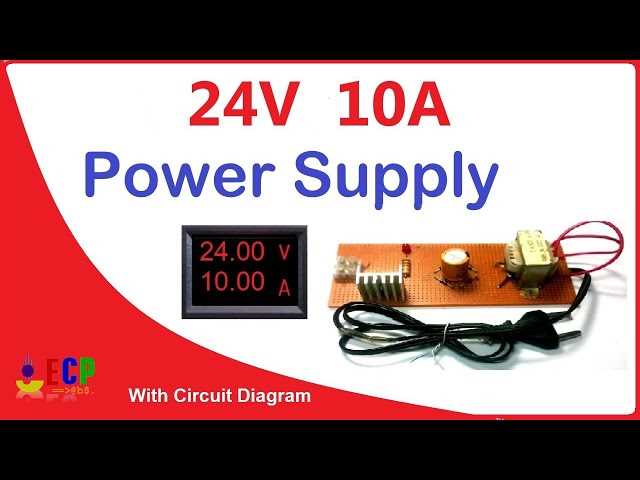
Fuses or circuit breakers protect the system from overcurrent conditions. A fuse will blow when the current exceeds a certain threshold, preventing damage to sensitive components. Always select a fuse rated for slightly above the maximum expected current.
Heat dissipation is a concern for components like regulators and transformers. Use heat sinks or cooling fans to prevent overheating. High-power devices or systems with heavy load demands may need additional cooling mechanisms to ensure long-term reliability.
Finally, proper wiring and connection methods are important. Use wires that are rated for the current capacity of the system and ensure all connections are secure to prevent short circuits. Testing the entire setup with a multimeter will help confirm that all components are functioning as expected before full use.