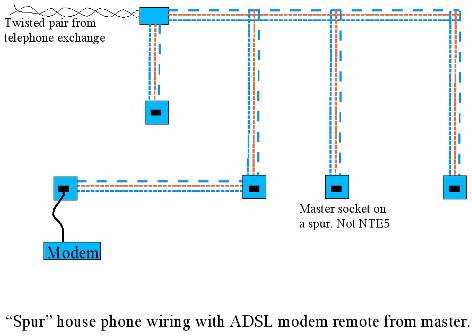
To properly connect your phone network, start by ensuring you are using the correct cables, connectors, and tools. First, identify the type of system being installed–whether it’s a single-line or multi-line setup–and proceed accordingly. Always use high-quality cables to minimize signal loss and interference.
The color coding of the wires plays a significant role in correct installation. Make sure you follow standard conventions: typically, red and green are used for the primary connection, while black and yellow are for additional lines. These connections should be secured tightly to avoid any disruption in service.
If you’re running cables through walls or ceilings, use protective casing to prevent damage. For outdoor setups, ensure the materials used are weatherproof to withstand environmental factors. Check for any physical obstructions and confirm the length of the cables before cutting to avoid wastage.
Finally, after installation, it’s critical to test the setup. Use a phone line tester to ensure each connection is properly established and that there is no disruption in the signal. If issues persist, troubleshoot by checking for loose connections or damaged cables, and ensure your system’s compatibility with your telephone provider’s network.
Telephone Line Wiring Setup and Configuration
To start setting up your phone system, ensure you are working with the appropriate connectors, cables, and installation tools. Begin by determining the number of lines required for your setup. For a basic home connection, one line is sufficient, while a business might need multiple lines. Select the appropriate gauge and type of cables based on the distance between the source and end points.
Next, properly connect the cables to the interface points on the phone socket and junction box. Make sure the terminals are clean and the wires are stripped correctly to avoid poor connections. Using a cable stripper can help ensure a neat and efficient connection.
When connecting the wires, follow the color codes: typically, red and green for the main connection and black and yellow for additional lines. Avoid any confusion by double-checking these colors before making the connections. If you are setting up multiple lines, label each cable to avoid mix-ups in the future.
If you are running cables through walls or ceilings, make sure they are protected with suitable conduits or casing. This will prevent any damage to the cables over time, especially if the installation is in high-traffic areas. Always measure and cut the cables to the correct length to minimize unnecessary slack.
Testing the Setup
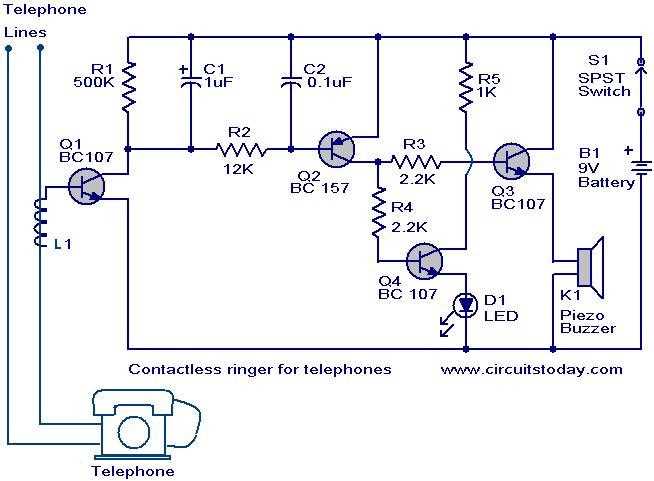
After completing the installation, it’s time to test the system. Plug in a telephone and check for dial tone and call quality. Use a line tester to ensure that there are no short circuits or faulty connections in the system. If you experience issues with the signal, verify each wire connection and ensure that no cables are damaged or loose.
In the event of interference or noise in the system, inspect the cable for any exposed wires or areas where the signal might be disrupted. Shielded cables can help minimize external interference, especially in environments with high electrical activity.
Maintaining and Troubleshooting
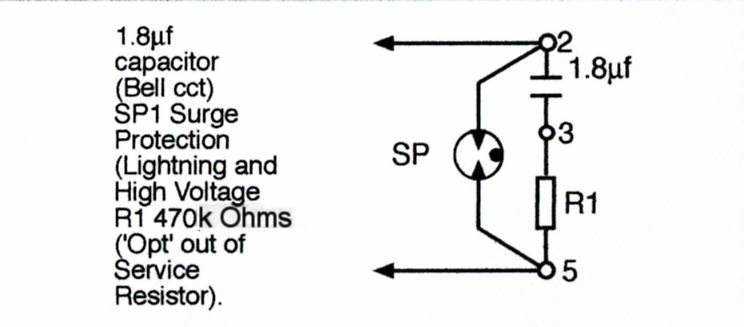
Routine maintenance is key to ensuring long-lasting functionality. Regularly inspect the cables and connections for signs of wear or physical damage. Tighten any loose connections, and replace frayed cables immediately to avoid signal loss. Additionally, be mindful of external factors, such as moisture or extreme temperatures, which can affect the integrity of the installation.
When troubleshooting, always start by checking the power supply and connectors. If the system is not working, there might be a problem with the phone jack or the cables themselves. Replace any faulty components and retest the setup to ensure everything is functioning correctly.
Step-by-Step Guide to Installing a Telephone Connection
Start by selecting the correct cable for your installation. For a standard residential setup, use a four-wire cable. Measure the distance between the phone jack and your desired endpoint to ensure you have enough cable. It’s important to avoid unnecessary slack to maintain a tidy and efficient setup.
Next, prepare the cable by stripping the insulation from both ends. Carefully strip approximately 2-3 cm of insulation off the ends to expose the inner wires. Use a wire stripper tool for precise results. Make sure you don’t damage the wires themselves during this step.
Connect the exposed wires to the appropriate terminals on the phone jack. The red and green wires are typically used for the primary connection, while black and yellow are used for additional lines if necessary. Ensure the wires are securely attached to the terminals and there is no chance of them coming loose.
Install the phone jack by mounting it securely on the wall or in a convenient location near the phone. Use screws to attach the jack plate to the wall, ensuring it is flush and stable. If you are running the cable through the wall, use a suitable conduit to protect it from damage.
Next, run the cable from the jack to your desired phone line input point. Use clips or cable ties to secure the cable along the wall or floor, making sure it is not exposed to potential damage. Be mindful of other electrical cables to avoid interference.
Once you have positioned the cable, connect the other end to the phone system’s input terminal. This may be an external terminal if you’re connecting to a larger phone system, or directly into the phone line jack for a basic residential setup. Ensure all connections are tight and secure.
Finally, test the installation by plugging a telephone into the newly installed jack. Verify that the phone receives a dial tone and functions properly. If you encounter issues, double-check all wire connections and ensure there are no faulty segments in the cable.