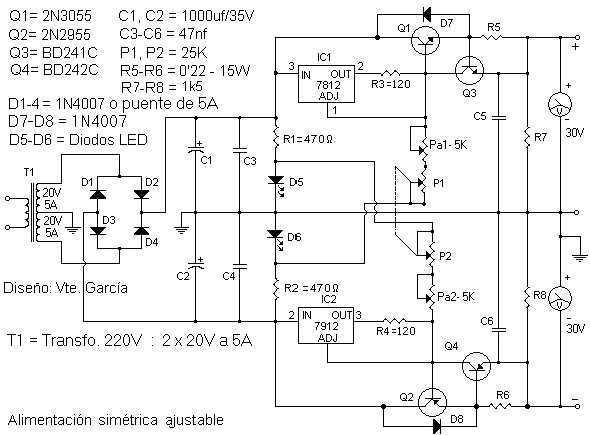
Ensure the transformer and rectifier match your maximum load requirements before connecting any modules. Using components rated below the intended output can lead to overheating and unstable operation. Select capacitors with voltage tolerance at least 20% higher than the peak output to prevent breakdowns under surge conditions.
Implement a precision potentiometer or digital rheostat for smooth voltage adjustments. Calibrate the control element with a multimeter to maintain exact increments, avoiding sudden spikes that may damage sensitive devices. Include a heat sink on the regulator IC to dissipate excess thermal energy, as continuous adjustment can generate significant heat.
Wire the input stage with secure connections and proper insulation to minimize voltage drops and potential short circuits. Test the output gradually, starting from the lowest setting, and monitor current using an ammeter to ensure the module remains within safe operational limits and provides stable, reliable energy for downstream equipment.
0 50v Adjustable Energy Regulator Construction and Setup Guide
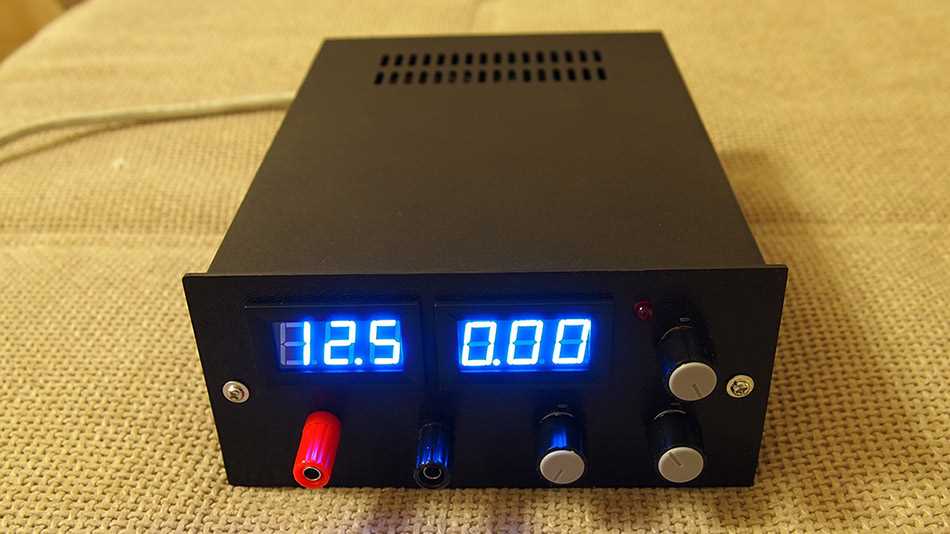
Begin assembly by selecting a transformer with a secondary rating above the maximum load. This ensures sufficient margin to prevent overheating and allows stable output across the entire adjustment range. Mount the transformer securely on an insulated base to avoid mechanical stress during operation.
Install a rectifier bridge immediately after the transformer. Use diodes rated at least 1.5 times the expected peak current to accommodate transients and prevent premature failure. Check polarity carefully to maintain correct positive and negative rails.
Add smoothing capacitors with high voltage tolerance at the output stage. Capacitors reduce ripple and improve stability under fluctuating loads. Consider electrolytic types with low ESR for rapid transient response when handling sensitive devices.
Integrate the adjustable regulator module with proper heatsinking. Calculate thermal dissipation using the maximum voltage drop multiplied by load current and attach a finned aluminum heatsink to maintain safe operating temperature. Optionally, include a small fan for prolonged high-load use.
Connect a precision potentiometer or digital control element to the regulation input. Ensure the control is linear and smooth, allowing incremental adjustments. Verify voltage response using a calibrated meter before connecting downstream equipment to avoid overvoltage.
Wire output terminals with thick, insulated conductors. Label positive and negative points clearly to prevent reverse connections. Include a fuse rated slightly above expected maximum current for safety against short circuits or accidental overloads.
Perform final testing in stages: start at minimum output and gradually increase. Monitor voltage and current continuously using meters. Adjust regulation carefully, noting the stability and thermal behavior of the module to confirm readiness for regular use under varying loads.
Selecting Components and Understanding Voltage Range Requirements
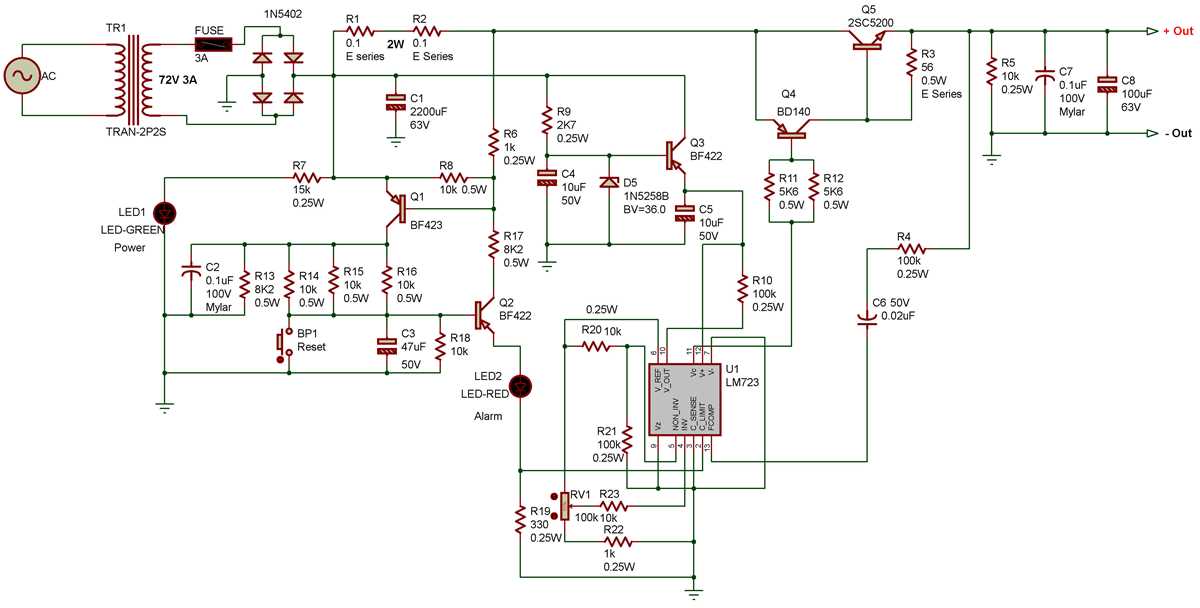
Choose resistors, capacitors, and transistors rated above the maximum anticipated voltage to prevent breakdown under load. Check datasheets for maximum continuous and peak voltages to ensure all components can withstand both steady-state and transient conditions.
Select adjustable regulators capable of handling the full range of output levels. Include smoothing elements with low leakage and high capacitance to stabilize the output across all settings. Verify tolerance and temperature coefficients to minimize drift during operation.
Consider the load current when sizing connectors and protective devices. Ensure fuses, terminal blocks, and wiring can manage peak demands without excessive voltage drop. Maintain at least 20% margin above expected maximum current to account for unforeseen surges or temporary overloads.