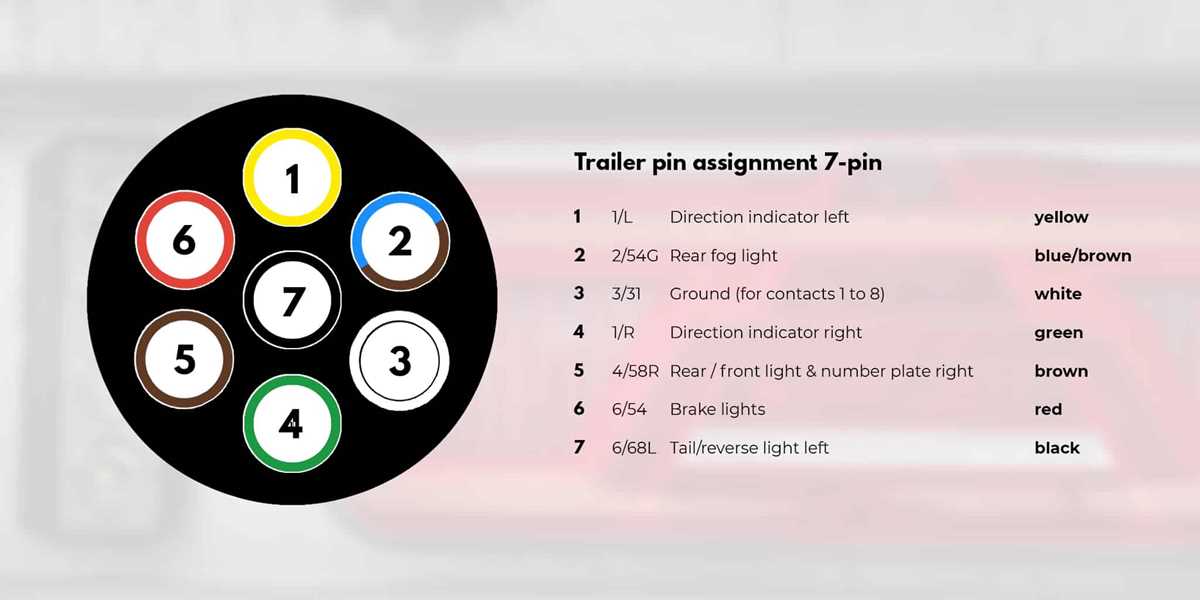
Start by identifying the output terminals on both the towing vehicle and the towed unit. Match each function such as brake lights, turn signals, and ground to ensure correct operation. Use a voltage tester to confirm which conductor carries current before making connections.
Label each wire clearly before installation. Assign colors or numbers to the wires from the vehicle and the towed equipment to prevent confusion during assembly. Keep conductors separated to avoid accidental shorts or crossed circuits.
Secure all connections with proper terminals. Crimp or screw connectors should be tight and free from corrosion. Apply dielectric grease to exposed metal surfaces to reduce oxidation and maintain reliable conductivity in outdoor conditions.
Test each lighting function after installation. Activate turn signals, brakes, and running lights individually to confirm proper operation. If a circuit fails, recheck the corresponding connection, ensure there is continuity, and verify the correct polarity on each line.
Complete Guide to Installing and Connecting a 4 to 7 Way Vehicle Electrical Converter
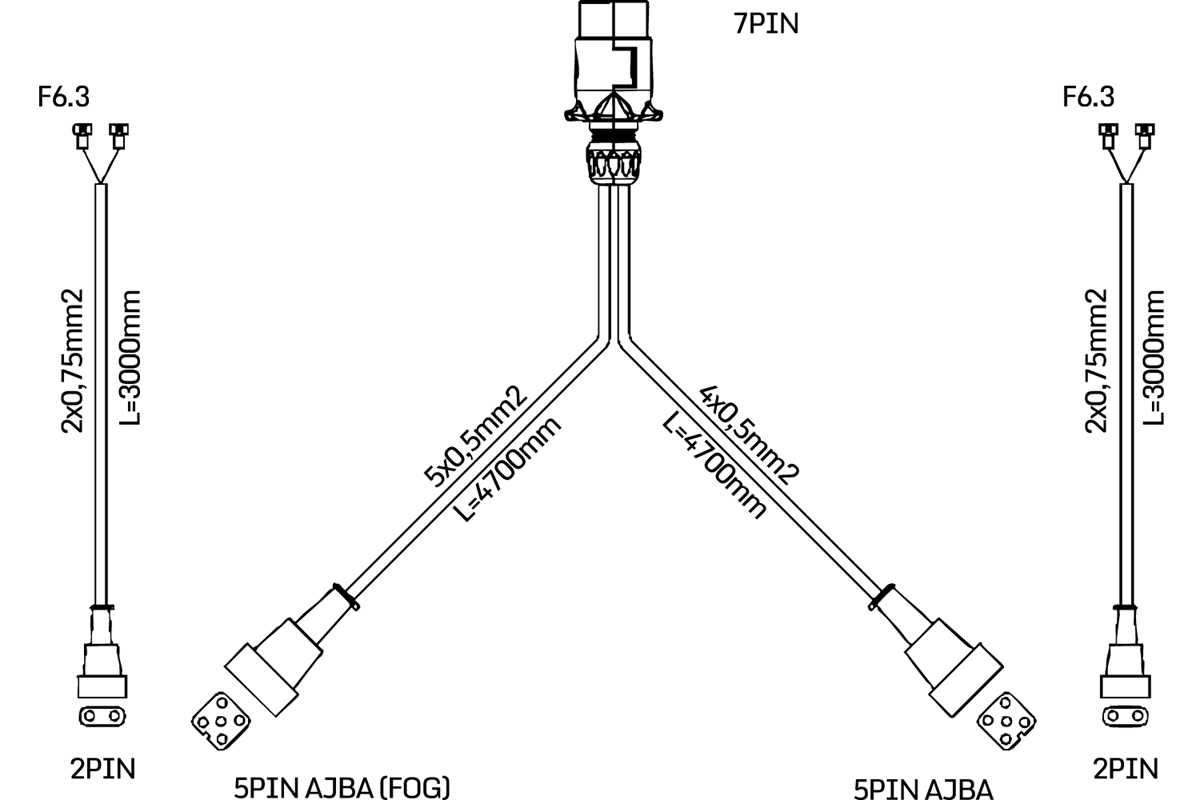
Match each output from the towing vehicle to the corresponding input on the towed unit. Identify circuits for brake lights, turn signals, tail lights, and ground. Use a multimeter to confirm voltage and polarity before making connections. Label each conductor to prevent confusion, and keep wires separated to reduce the risk of shorts or crossed circuits.
Secure all connections and test functionality. Use crimp or screw terminals and apply dielectric grease to exposed metal to prevent corrosion. After installation, activate each lighting function individually, including left and right turn signals, brakes, and running lights, to ensure proper operation. Recheck any non-functioning circuit for loose connections or reversed polarity.
Selecting the Correct Converter and Matching Vehicle Connector
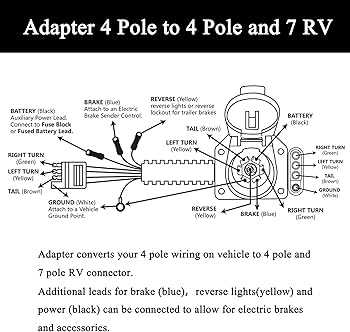
Identify the electrical system on your towing vehicle. Check the number of circuits available and their voltage rating. Standard systems provide 12 volts DC, but some larger vehicles may supply higher current. Confirm that each output corresponds to a specific function such as brake lights, turn signals, or tail lights.
Choose a converter that matches the number of circuits on the vehicle. A 4 to 7 circuit conversion requires clear mapping of each function. Ensure the device can handle the total amperage for all connected lights without overheating.
Connector Type and Compatibility
Verify that the connector fits securely into the vehicle socket. Check for corrosion, bent terminals, or wear that could cause poor contact. A snug fit reduces the risk of intermittent lighting failures during travel.
Match each conductor function accurately. Brake, turn signal, ground, and auxiliary circuits must align with the correct output. Use color codes or labels to maintain consistency, simplifying installation and future troubleshooting.
Inspect the converter housing and terminals. Ensure the device is rated for outdoor exposure and resistant to moisture and dust. Enclosures with weatherproof seals prevent corrosion and maintain long-term reliability.
Installation Planning
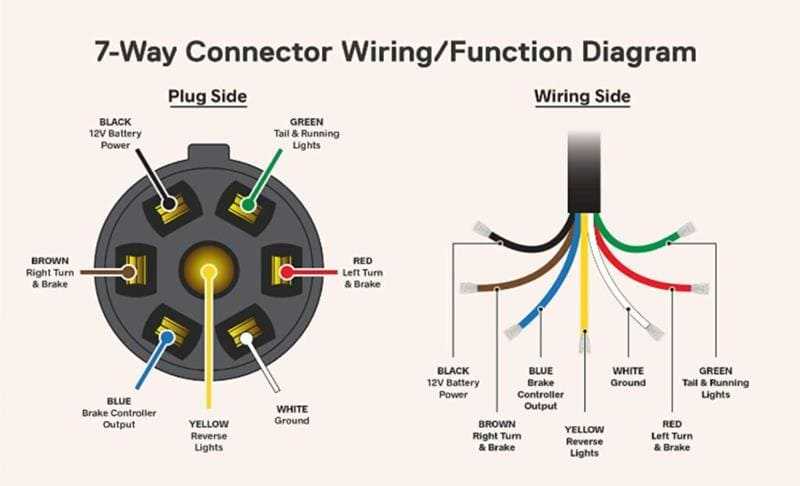
Plan the routing of conductors before final installation. Avoid areas near moving parts or heat sources. Use clips or conduit to secure lines, reducing strain on terminals and preventing accidental disconnection.
Test connections before regular use. Activate each function–turn signals, brake lights, tail lights–to confirm proper operation. Check for voltage drop and continuity to ensure no circuit is overloaded or misconnected.
Perform periodic inspections and maintenance. Clean contacts, remove corrosion, and tighten terminals. Recheck conductor alignment and protective housings to maintain safe and reliable operation on every trip.