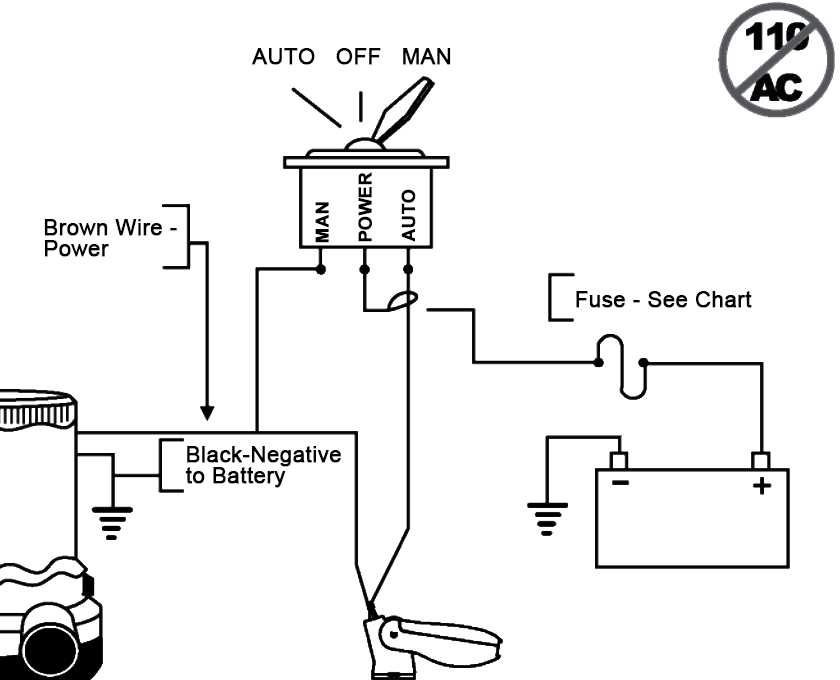
Use a compatible liquid level sensor with the correct voltage rating for your system. Standard units operate at 24 volts AC, but check the manufacturer’s specifications to avoid overheating or tripping the circuit. Verify amperage limits to ensure stable operation under continuous load.
Route color-coded conductors carefully between the sensor, relay, and power source. Red or brown wires usually carry positive current, while white or black return lines complete the circuit. Secure all connections with screw terminals or wire nuts to prevent loose contacts and intermittent triggering.
Test the assembly immediately after installation. Fill the condensate pan with water to trigger the sensor and observe if the system stops as designed. If activation is delayed or fails, inspect for voltage drop, improper connections, or damaged leads and correct before regular operation.
Complete Guide to Installing and Connecting a Condensate Safety Device at Home
Choose a sensor rated for the system voltage and current. Most residential units operate at 24 volts AC, but check the label for maximum amperage to prevent overheating and ensure reliable activation. Use a multimeter to confirm output before connecting the device.
Mount the sensor securely in the condensate pan. Position it so the float moves freely without obstruction. Avoid areas with debris or standing water that could prevent proper movement. Use screws or brackets recommended by the manufacturer to prevent vibration or dislocation.
Connection of Conductors
Identify terminals clearly. Most devices have a common, normally open, and normally closed terminal. Red or brown wires usually carry positive current, while white or black completes the return path. Label wires before installation to simplify troubleshooting.
Route cables along safe paths. Keep conductors away from high-voltage lines or moving parts. Use conduit or cable clips to prevent damage from heat, moisture, or sharp edges. Avoid kinks or tight bends that could stress the insulation.
Secure all connections with proper fasteners. Use screw terminals, wire nuts, or crimp connectors based on the conductor type. Stranded wires require ferrules or proper tightening to avoid loose contact. Double-check every terminal for firm engagement before energizing the circuit.
System Testing and Verification
Test the assembly immediately after installation. Fill the condensate pan gradually and watch for automatic system shutoff. The sensor should trigger reliably at the designed water level. If the response is delayed or absent, inspect the voltage, connections, and float mobility.
Perform routine maintenance. Check the sensor monthly for debris, corrosion, or mechanical wear. Clean the pan and the float arm to prevent false activation. Replace damaged conductors promptly to maintain safe operation and prevent water overflow.
Selecting the Correct Condensate Sensor and Compatible Power Source
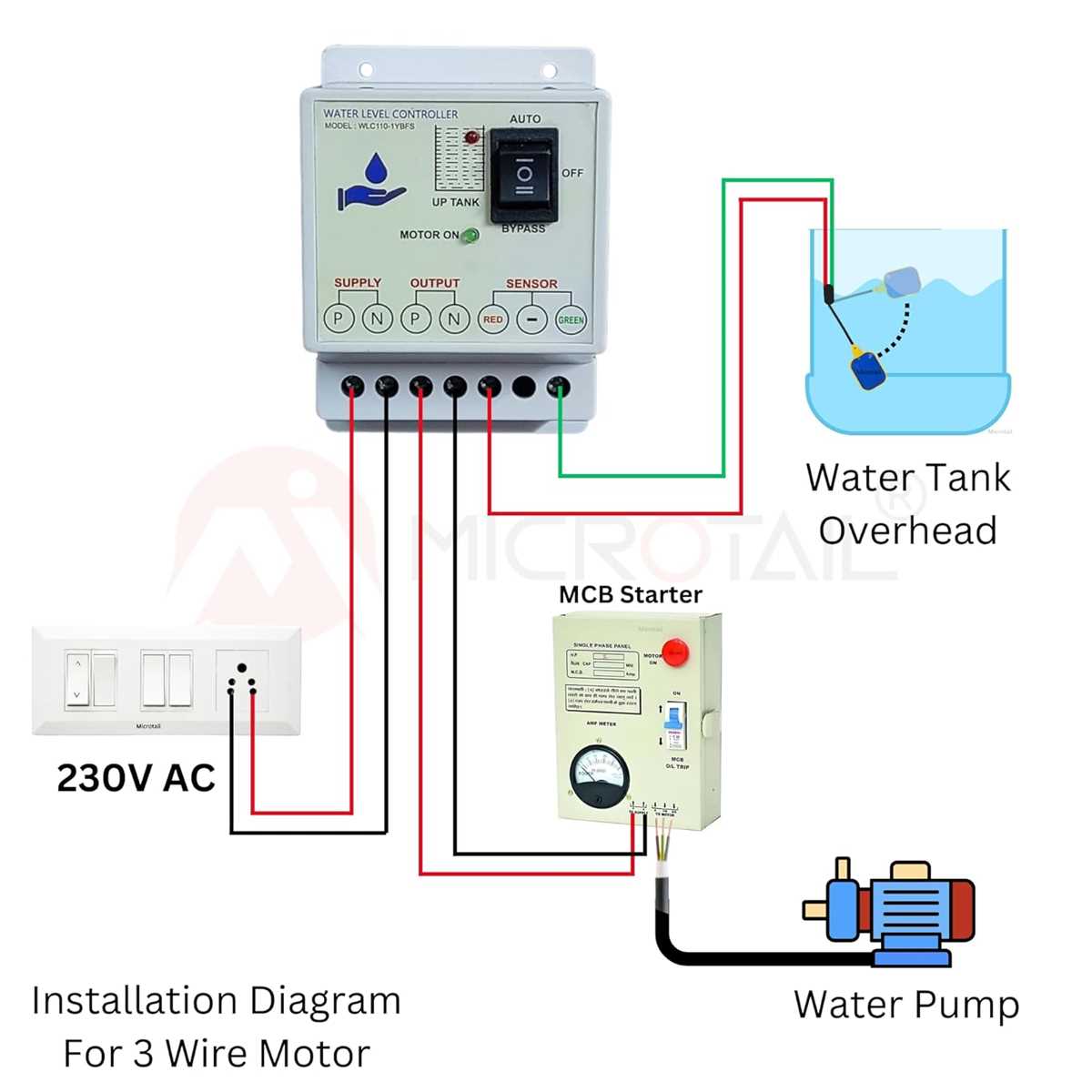
Choose a liquid level sensor rated for your system’s voltage. Most residential units operate at 24 volts AC, but larger setups may require 120 volts. Confirm the amperage limit to prevent overheating and ensure reliable activation under continuous load.
Consider the type of sensor mechanism. Mechanical models provide a simple on/off response, while electronic units offer adjustable thresholds and delayed activation. Match the sensor type to the application, whether for a standard condensate pan or multiple drain connections.
Verify compatibility with the power source. Use a transformer that delivers stable voltage and sufficient current for all connected devices. Measure the output under load using a multimeter, especially when extending conductors over long distances or installing multiple units in parallel.
Inspect terminal configuration before installation. Identify common, normally open, and normally closed terminals to prevent incorrect connections. Label conductors during setup to simplify future maintenance and reduce the risk of shorts or misactivation.