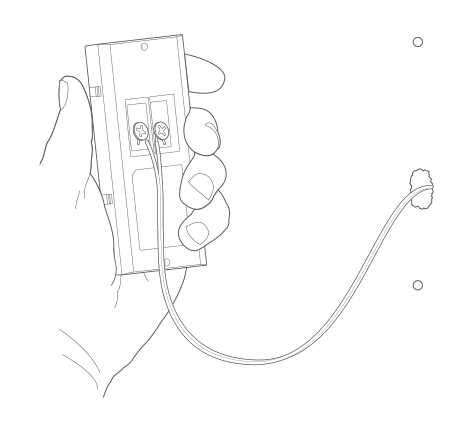
Begin by selecting a compatible chime unit and transformer that matches the voltage requirements of your home. Standard transformers operate at 16 volts AC for mechanical or digital chimes. Check the label on the unit for recommended amperage to prevent overheating.
Use color-coded cables for clear connections between the push button, chime, and power source. Typically, red wires carry positive current and white or black wires return to the transformer. Secure terminals with screw connectors to maintain stable contact.
Position the push mechanism within reach yet protected from moisture. Avoid locations near heating vents or direct sunlight that could degrade contacts. Insulate connections with electrical tape or wire nuts to prevent short circuits.
After completing connections, perform a functional test by pressing the button while monitoring the chime response. If the sound is weak or intermittent, check for loose contacts or voltage drops across the circuit. Adjust screws and wire paths to ensure reliable operation.
Guide to Understanding and Installing a Home Entry Alert System
Start by selecting a compatible chime unit and power source. Check the voltage rating of the transformer; most mechanical or digital units require 16 volts AC. Confirm the amperage matches the unit’s specifications to avoid overheating or damage. Use a multimeter to verify output before making connections.
Follow a clear step-by-step connection method for the push button, chime, and transformer:
- Route color-coded cables: red for positive current, white or black for return.
- Secure all terminals with screw connectors to prevent loose contacts.
- Insulate exposed ends with wire nuts or electrical tape for safety.
Test the system after installation. Press the button and observe the chime response. Weak or intermittent sound usually indicates voltage drop or loose connections. Adjust screws, reroute wires, or replace damaged cables to achieve reliable operation and consistent tone.
Choosing the Right Entry Alert Components and Cable Type
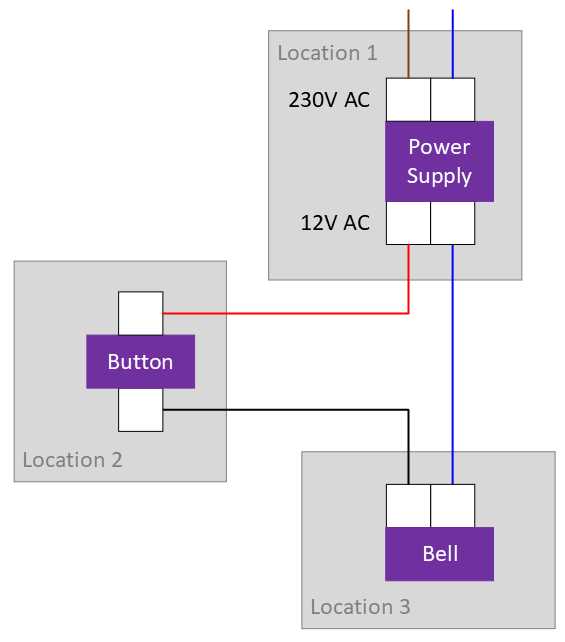
Pick a chime unit based on the size of your home and preferred sound intensity. Mechanical units produce a louder, classic tone but require higher voltage, while electronic models allow adjustable volume and multiple melodies. Measure the distance from the push button to the chime to ensure cable length prevents voltage loss and maintains consistent operation.
Power Source Selection
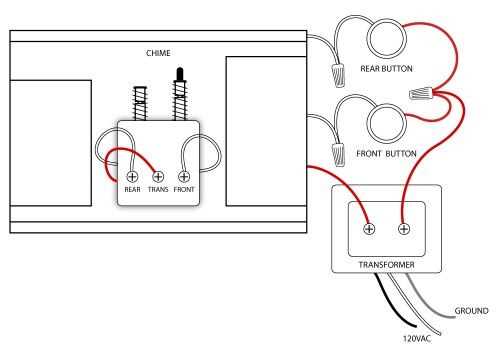
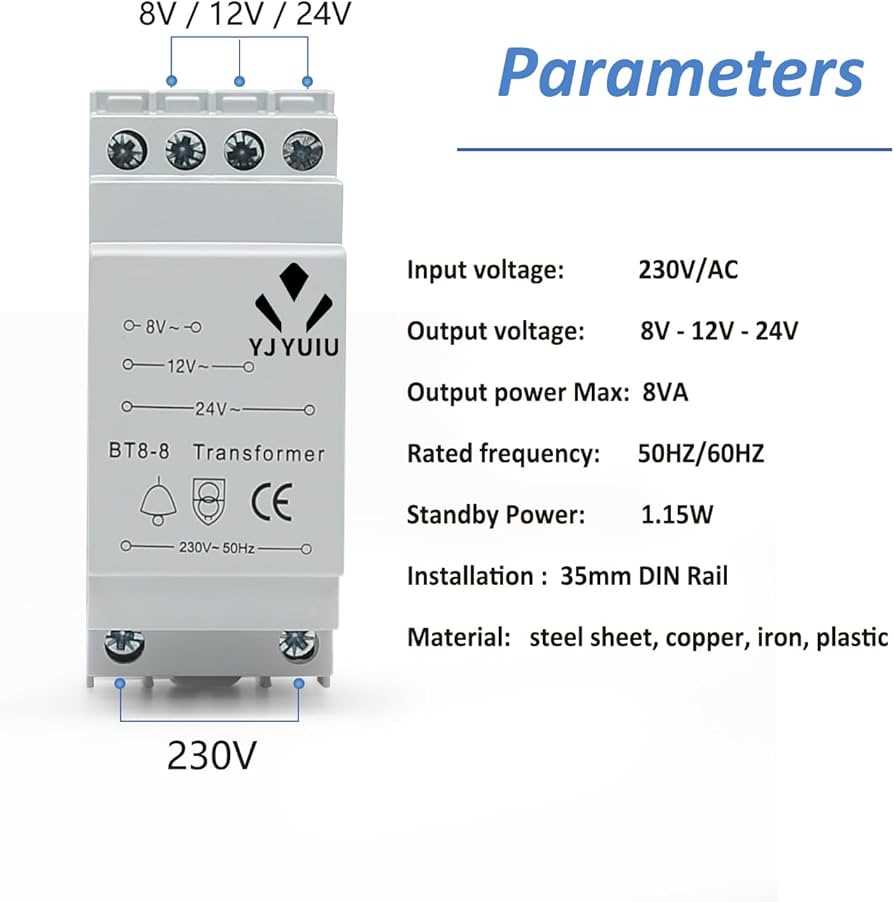
Use a transformer that matches the chime’s voltage and current requirements. Most units run on 16 volts AC, but larger or multi-chime setups may need 24 volts. Verify output stability under load with a multimeter to avoid weak tones or intermittent operation, particularly when extending cables over long distances.
Cable Type and Installation Tips
Choose between stranded and solid copper conductors depending on routing. Stranded cables offer flexibility for walls with bends, while solid wires provide firm connections in screw terminals. Maintain color consistency–red for live, white or black for return–to simplify installation and reduce troubleshooting during future maintenance.