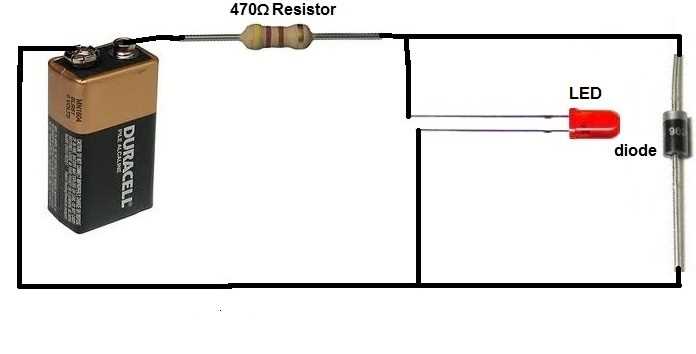
Ensure correct orientation of rectifying components before integrating them into any electronic setup. Incorrect alignment can cause backflow of current, damaging both the component and surrounding elements.
Identify the anode and cathode markings clearly on each component. The anode connects to the positive voltage source while the cathode links to the load or ground line. Using a multimeter can verify polarity before installation.
Select appropriate ratings based on voltage and current specifications of the setup. Components with insufficient ratings may overheat, whereas oversized units can reduce efficiency and occupy unnecessary space.
Arrange components systematically on the breadboard or PCB to minimize stray resistance and interference. Shorter paths between source and load improve response times and reduce voltage drops across the assembly.
Include protective elements such as resistors or fuses in series with rectifying units to guard against surges. This practice extends operational lifespan and prevents sudden failures during power spikes.
Test each path individually after placement using a low-voltage power supply. Confirm that current flows only in the intended direction and that no unexpected heating occurs.
Label connections clearly to simplify troubleshooting and future modifications. Using colored wires for positive, negative, and signal lines enhances clarity and reduces the risk of miswiring.
Document the layout with a simple sketch showing component positions and connections. This reference supports replication, maintenance, and adjustments without needing to disassemble the entire setup.
Complete Guide to Understanding Diode Connections and Layouts
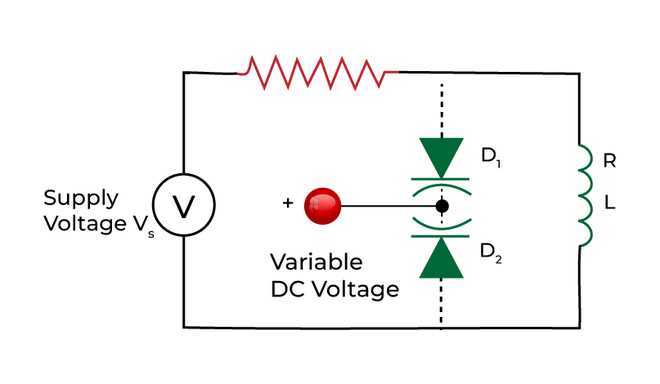
Verify polarity of each rectifying component before insertion. An incorrect orientation can block current flow or allow reverse voltage, causing heating and potential damage to other elements.
Match ratings precisely to the supply voltage and load current. Components rated for higher voltages than the system require may improve durability but increase physical space, while underrated units risk burnout.
Plan placement carefully to reduce lead lengths and avoid cross-talk between adjacent paths. Keeping connections short minimizes stray resistance and preserves signal integrity in sensitive setups.
Use series resistors where necessary to limit inrush current. Calculating resistance based on expected peak currents prevents excessive stress on each component during switching or power surges.
Group similar units logically on the board to simplify maintenance. For example, clustering all rectifying elements for a particular section allows quick replacement or testing without disturbing other parts.
Check thermal behavior during initial operation. Components dissipating more than the calculated wattage require heat sinks or spacing adjustments to maintain stable performance and prevent early failure.
Label each connection clearly with marker pens or color-coded wires. Clear identification reduces errors during assembly and troubleshooting, especially in complex assemblies with multiple paths and loads.
Document the arrangement with a concise sketch indicating all positions and connections. This reference ensures reproducibility, supports modifications, and aids in diagnosing issues without dismantling the setup.
Identifying Diode Types and Their Orientation in Circuits
Confirm the function of each component before installation. Rectifiers, signal converters, and zener units all have unique voltage and current ratings, which determine their placement and the direction of current flow.
Check polarity markings carefully. Most units display a stripe or a notch indicating the cathode, which must align with the negative path of the system to avoid reverse conduction or damage.
Use color codes and datasheets to distinguish types in multi-component layouts. For example, low-voltage signal units often have smaller packages and different color bands compared to high-power rectifiers.
Test orientation with a multimeter before final soldering. Forward-bias readings should show low resistance, while reverse-bias readings must indicate high resistance, confirming correct alignment and functionality.
Document placement and type in a table or schematic reference. Include component name, voltage rating, and orientation marker to simplify troubleshooting and future modifications without disassembly.