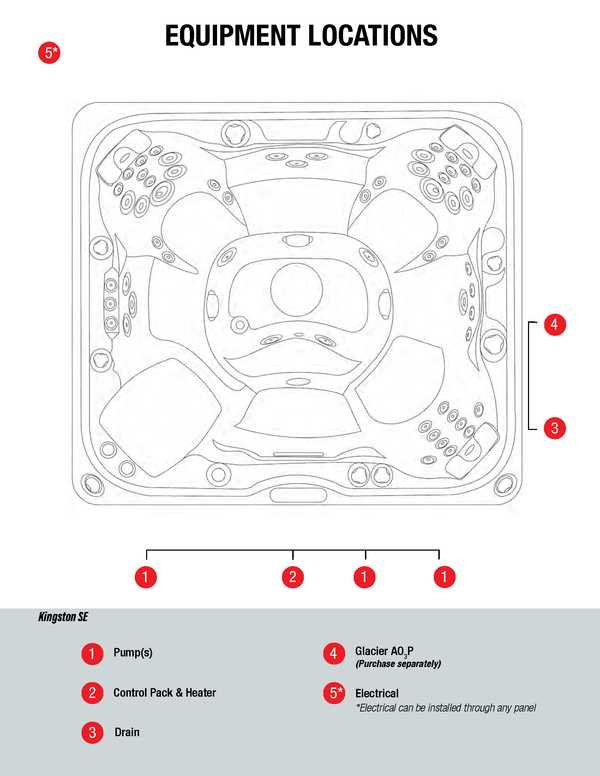
Begin by familiarizing yourself with the key components of your spa system. Knowing the layout of essential systems like the filtration, heating, and water circulation will ensure you’re equipped to troubleshoot and maintain them effectively. Understanding how each component interacts helps prevent common issues and reduces repair costs.
Regular inspections and maintenance checks will extend the lifespan of your system. Pay attention to the condition of seals, pumps, and jets, as these parts are most likely to wear out over time. Replacing worn-out components promptly can prevent further damage to your system and keep it running smoothly.
By referring to a detailed layout of your system, you can more easily locate and replace malfunctioning components. Having a clear understanding of the connections between various elements allows you to perform maintenance or repairs with confidence, avoiding unnecessary stress during spa downtime.
Hot Tub System Breakdown and Assembly
Start by identifying the key components of the spa system: the water pump, filtration unit, heater, and control panel. Each element plays a critical role in ensuring smooth operation and water quality. Before assembling, verify the condition of each part and replace any worn or damaged pieces to prevent future issues.
Begin assembly by connecting the pump to the water system. Ensure all hoses are tightly secured to avoid leaks. Next, attach the filtration system and make sure it aligns properly with the pump for optimal water circulation. Secure the heater and wiring carefully, ensuring that there are no exposed wires to prevent safety hazards.
Once all components are connected, check the control panel to ensure that it is wired correctly and responds to settings. Test the system thoroughly to confirm that the water temperature, flow rate, and jets are functioning properly. Perform a final inspection to ensure all connections are tight and no parts are loose, preventing any operational failures during use.
How to Identify the Major Components in a Spa System
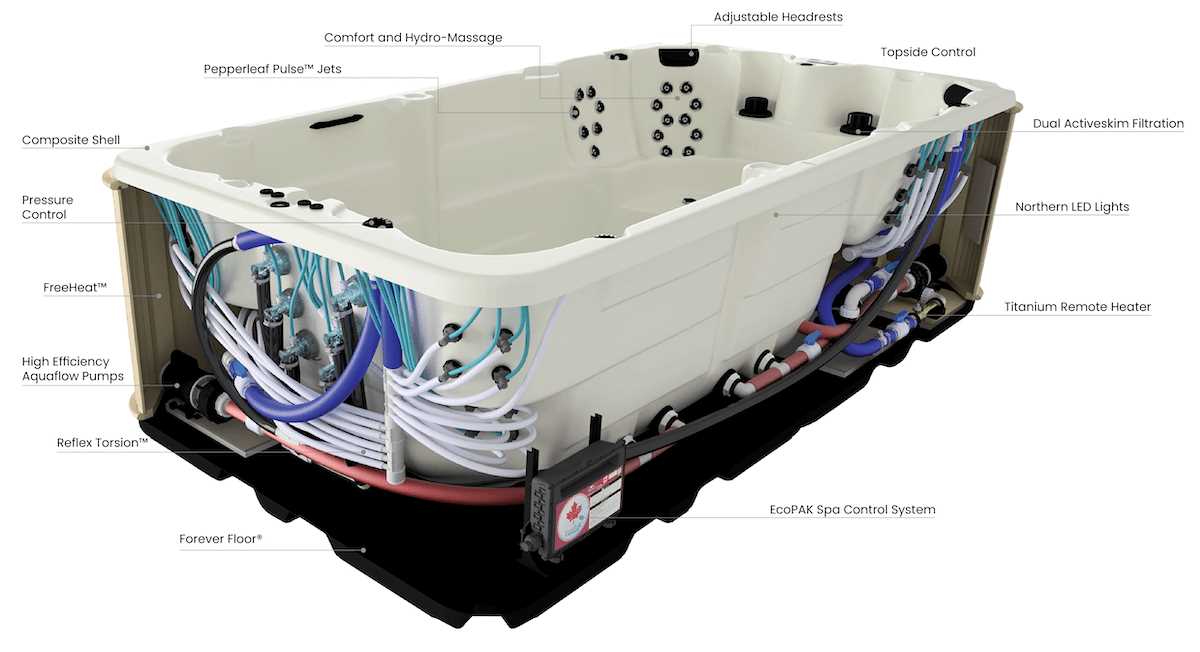
To accurately identify the main elements in your spa system, begin by locating the water pump, which circulates water throughout the system. This component is typically housed near the filtration unit and is powered by an electric motor. It’s responsible for pushing water through the pipes and ensuring proper flow to the jets.
Next, locate the filtration system, usually positioned adjacent to the pump. This system filters out debris and contaminants from the water, helping to maintain cleanliness and clarity. Ensure the filter is easily accessible for routine cleaning or replacement.
The heater is another critical part. It heats the water to the desired temperature and is often connected to the pump and filtration system. Check the heater’s connections and wiring to ensure it operates without issues. Lastly, the control panel manages the system’s settings, including water temperature and jet pressure. Familiarize yourself with the control panel layout to easily adjust settings and monitor the system’s performance.
Step-by-Step Guide for Replacing Common Spa Components
Follow these steps to efficiently replace worn-out or damaged components in your spa system:
- Turn off power and water supply: Before starting any repair or replacement, disconnect the power and ensure the water supply is turned off to avoid any electrical or water damage.
- Drain the water: Completely drain the spa to remove all water from the system. This will allow easy access to the components that need replacing.
- Replace the water pump: To replace a malfunctioning pump, disconnect the electrical connections and plumbing hoses. Remove the old pump and install the new one by reconnecting the hoses and wiring securely.
- Replace the filter: Remove the filter from its compartment and inspect for any damage or excessive dirt buildup. Replace with a new filter of the same size and type to ensure optimal filtration.
- Install a new heater: If the heating element fails, remove the damaged heater by detaching it from the plumbing and electrical system. Install the new unit, ensuring it’s correctly aligned and sealed to prevent leaks.
- Reconnect power and water supply: Once all parts are replaced, reconnect the power and water supply. Check for leaks and ensure the system is running smoothly before using it again.
Always refer to the manufacturer’s manual for specific instructions, and when in doubt, consult a professional technician for assistance. Proper installation and regular maintenance can extend the life of your spa system.
Troubleshooting and Fixing Issues with Spa System Components
If your spa is not functioning correctly, these troubleshooting steps will help you identify and fix common issues:
- Water temperature not rising: Check if the heater is working properly. Ensure that the temperature setting is correct. If the heater does not activate, inspect the electrical connections and replace the heating element if necessary.
- Water pump not running: Verify that the pump is receiving power. If it’s not, check the breaker and fuses. If power is present, inspect the pump motor for signs of wear. Replace the motor or the entire pump assembly if needed.
- Insufficient water flow: Clogged filters can restrict water flow. Remove and clean the filter. If cleaning doesn’t help, replace the filter. Also, check for any blockages in the plumbing that could be obstructing the water flow.
- System showing error codes: Consult the control panel’s error code guide to understand the issue. Common problems could be related to water flow, heating, or electrical components. Fix the issue by addressing the specific component mentioned in the error code.
- Leaks around the plumbing: Inspect all water connections, including hoses and seals. Tighten loose fittings or replace faulty seals. If the leak persists, you may need to replace damaged plumbing parts.
- Excessive noise from the pump or motor: Excessive noise might indicate a malfunction or foreign object within the system. Shut off the power, inspect the pump for debris, and clear any blockages. If noise continues, inspect the bearings or replace the pump.
By systematically diagnosing each component, you can identify the issue and resolve it efficiently. Regular maintenance is key to preventing issues and ensuring the longevity of your system.