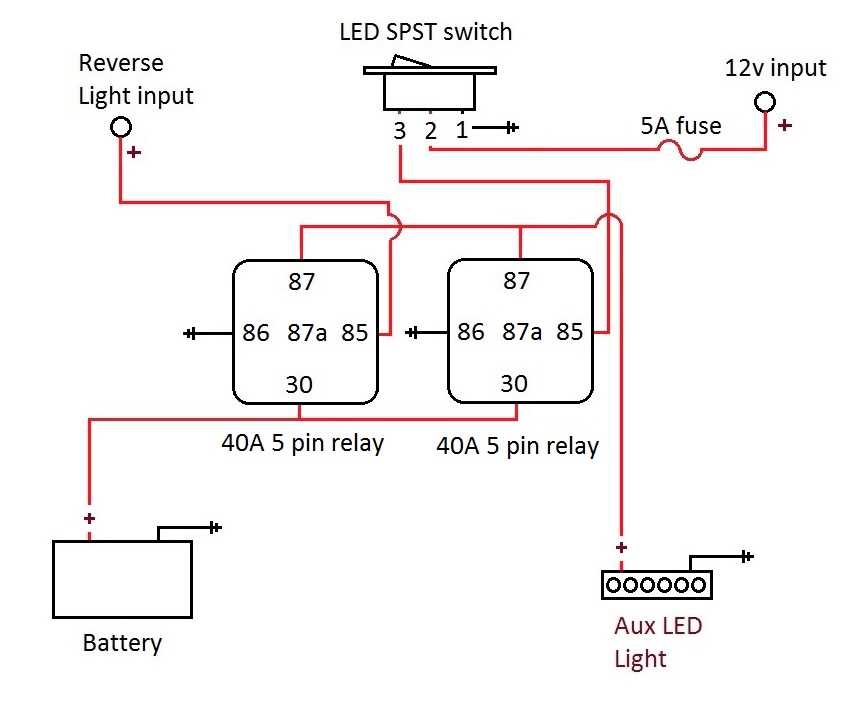
Match each conductor to its designated contact to ensure proper voltage flow and avoid short circuits. Red wires typically carry positive supply, black wires connect to ground, and remaining lines transmit signals.
Confirm the sequence of terminals using a multimeter before applying power. For a standard 5-terminal device, two terminals activate the coil while three handle switching currents. Correct identification prevents damage to both control and load circuits.
Use insulation and secure connections with heat-shrink tubing or clamps to maintain stable contact and minimize interference. Avoid leaving exposed strands that could touch other components or create sparks.
Test each pathway under low load first. Measure voltage across active terminals and continuity through switched contacts to verify functionality. Label each connection clearly for future maintenance or modifications.
Complete Guide to 5 Terminal Electromechanical Switch Connections and Functions
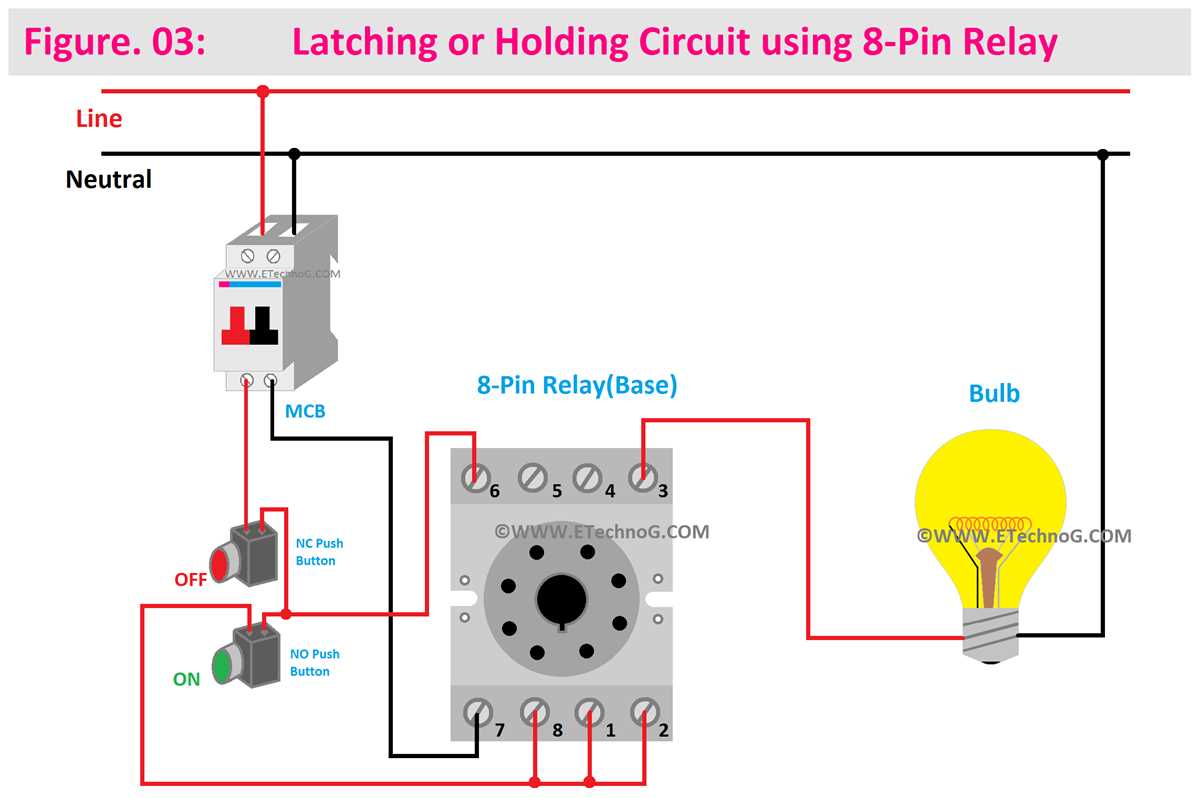
Identify the coil terminals first to control the switching mechanism safely. These are usually the two inner contacts that activate the magnetic field. Applying voltage to these terminals closes or opens the connected circuits.
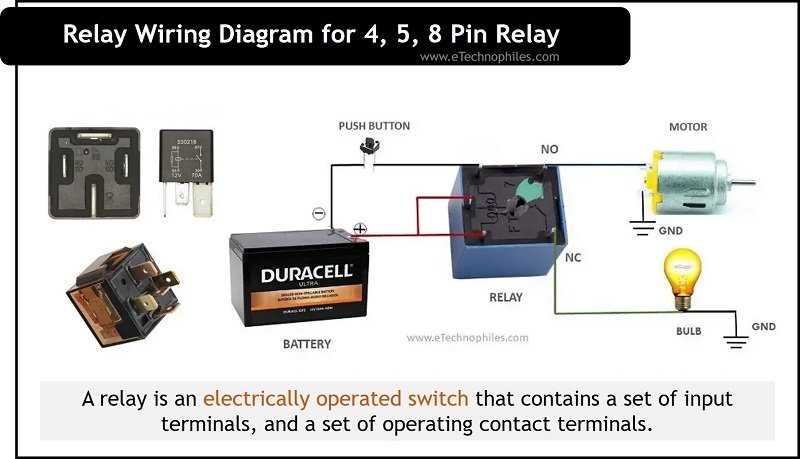
Determine which contacts handle the load. In a 5-terminal device, three terminals manage the switching path: common, normally open, and normally closed. Common connects to the power source, normally open closes when the coil is energized, and normally closed opens when the coil is active.
Use standard color codes when connecting conductors. Red is generally used for positive supply, black for ground, and other colors for signal lines. This reduces mistakes and helps trace connections quickly during maintenance.
Secure Physical Connections
Apply heat-shrink tubing or terminal covers to exposed wires to prevent short circuits and mechanical damage. Keep conductor lengths minimal and avoid untwisted strands outside the terminal to maintain reliable contact.
Test each pathway under low load before full operation. Measure voltage and continuity across active and switching contacts. This prevents accidental overcurrent and verifies correct contact alignment.
Label and Document Connections
Mark each terminal and conductor clearly to simplify future troubleshooting or modifications. Creating a reference chart of terminal functions can save time and prevent errors when integrating multiple devices or replacing components.
Understanding 5 Terminal Electromechanical Switch Contacts and Their Functions
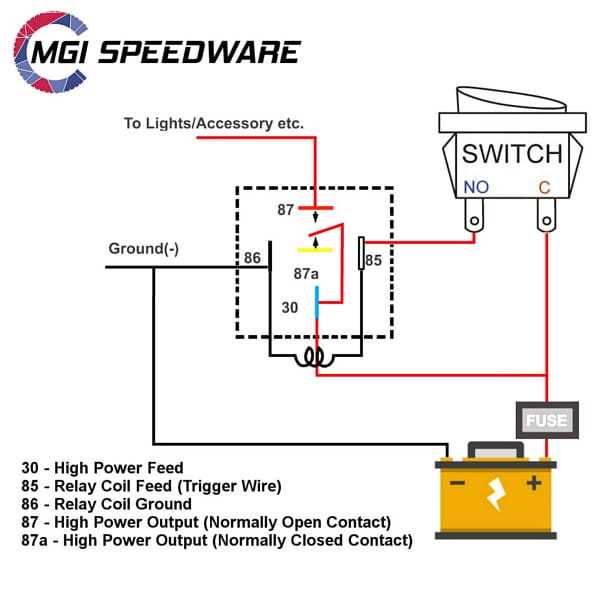
Identify coil terminals first to control the activation of the switching mechanism. These two contacts energize the internal electromagnet, which shifts the movable contact between normally open and normally closed terminals, allowing current to flow or stop. Applying voltage in reverse or to the wrong terminals can prevent operation or damage the device.
Load Path Connections
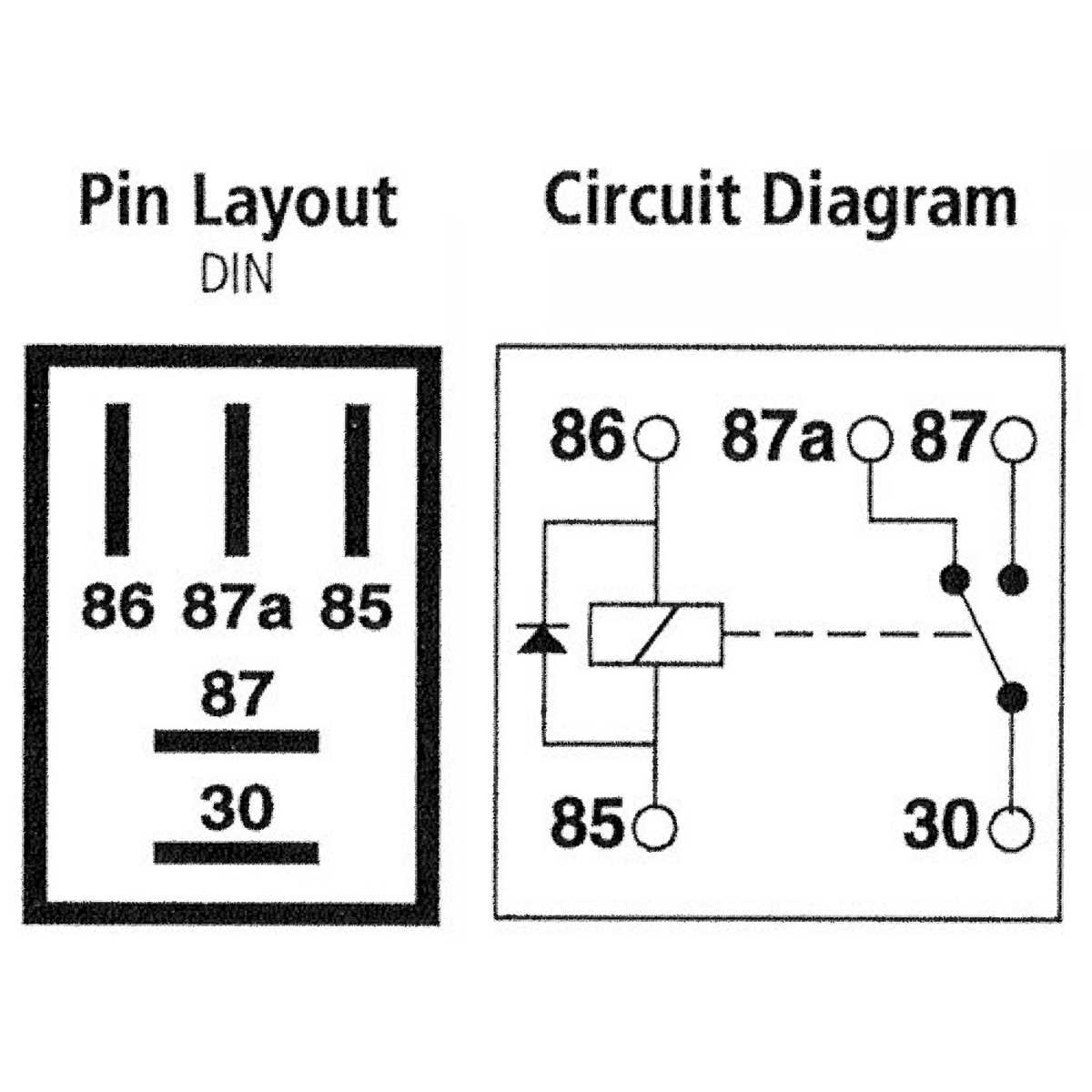
Determine common, normally open, and normally closed terminals before connecting the circuit. The common contact links to the power source, normally open closes when the coil is energized, and normally closed opens during activation. Correct identification ensures reliable control of motors, lights, or other devices without unexpected interruptions.