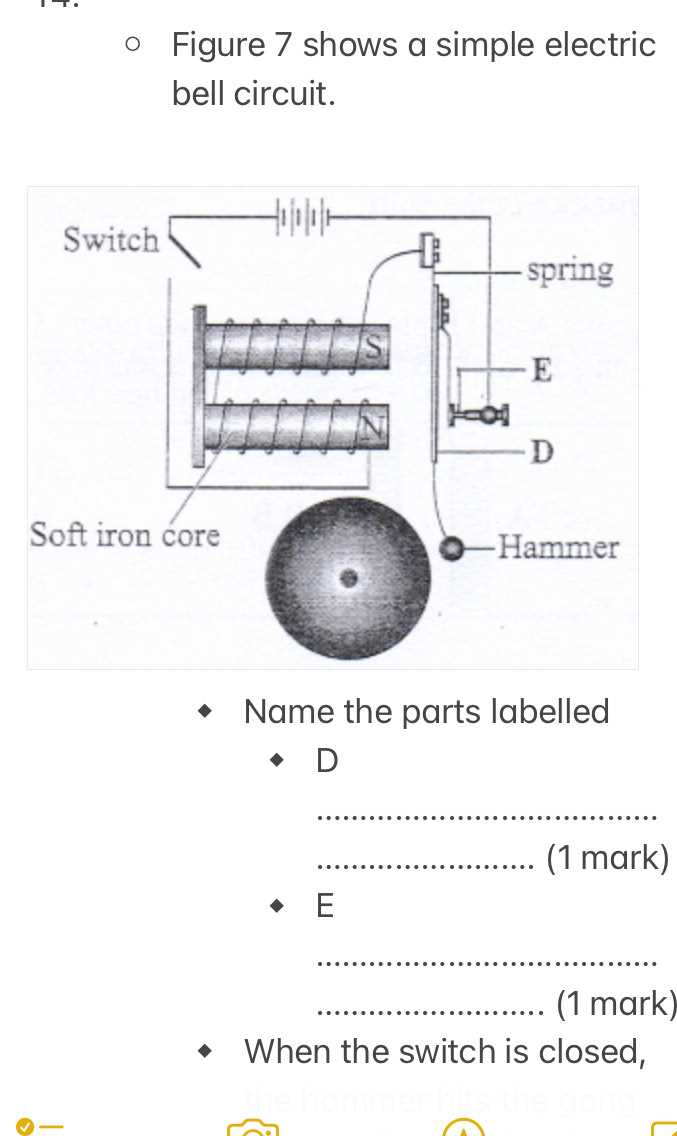
Connect the power source to the main terminals ensuring the voltage matches the coil specifications to prevent overheating or damage. Use secure fasteners and avoid loose contacts to maintain consistent operation.
Integrate the push button switch into the loop so that pressing it completes the flow and energizes the electromagnet. Verify that the switch rating aligns with the supply to avoid contact wear or failure.
Position the striker and resonator near the electromagnet armature to ensure immediate response. Adjust the gap for a clear tone without binding or excessive force that could impair longevity.
Double-check connections before initial power-up, ensuring polarity and leads match recommended layouts. Test by pressing the actuator multiple times and observe consistent movement and audible output.
System Setup and Connections for Door Alert Assembly
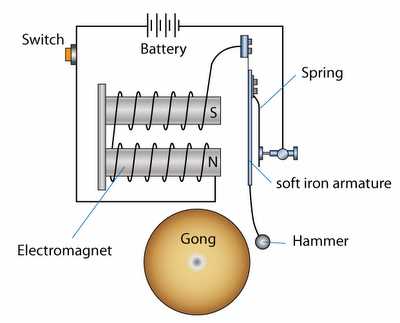
Connect the power source directly to the main terminals, ensuring the voltage matches the coil rating. Use secure screw terminals or insulated clips to prevent loose connections and avoid overheating during repeated activation.
Install the push switch in series with the coil so that closing the switch completes the loop and energizes the solenoid. Verify that the switch rating accommodates the current drawn to prevent contact pitting or failure.
Adjust the striker and armature alignment to achieve a clear, consistent tone. Keep the moving parts free of friction and ensure the spring tension returns the armature reliably after each activation for continuous operation.
Perform multiple activation tests before mounting permanently. Observe the movement and sound output, checking that insulation prevents shorts and connections remain stable under repeated pressing of the actuator.
Identifying Terminals and Power Requirements
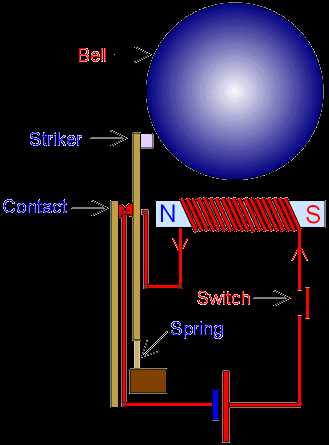
Locate the main power terminals on the coil housing and mark them clearly. These are usually labeled with standard codes such as L+ and L− or P and N to indicate positive and negative connections. Ensuring proper polarity prevents overheating and potential damage.
Check the voltage rating indicated on the nameplate or stamped on the base. For common units, this ranges from 6V to 12V DC for low-power variants, and up to 230V AC for mains-powered assemblies. Matching the supply voltage is critical to achieve reliable operation.
Identify the actuator terminal that connects to the push switch. This terminal completes the energizing path when the switch is pressed, sending current through the coil to move the striker. Use insulated connectors to avoid accidental shorts.
Note additional auxiliary terminals if present, such as a secondary contact for indicator lamps or remote signaling. These terminals often share a common ground and should not carry more current than the rating specified by the manufacturer.
- Label each terminal clearly before connecting to prevent confusion during installation.
- Use a multimeter to verify continuity and correct labeling.
- Confirm the power supply can handle the maximum inrush current without tripping protective devices.
Ensure all connections are tightened securely to reduce contact resistance. Loose terminals can cause sparking and inconsistent activation. For repeated use, periodically inspect and retighten fasteners as needed.
Test the complete assembly with the supply energized, observing the movement of the striker and verifying that the voltage does not exceed the rated limit. Any abnormal heating or erratic motion indicates improper connections or a mismatch in power supply, which must be corrected immediately.