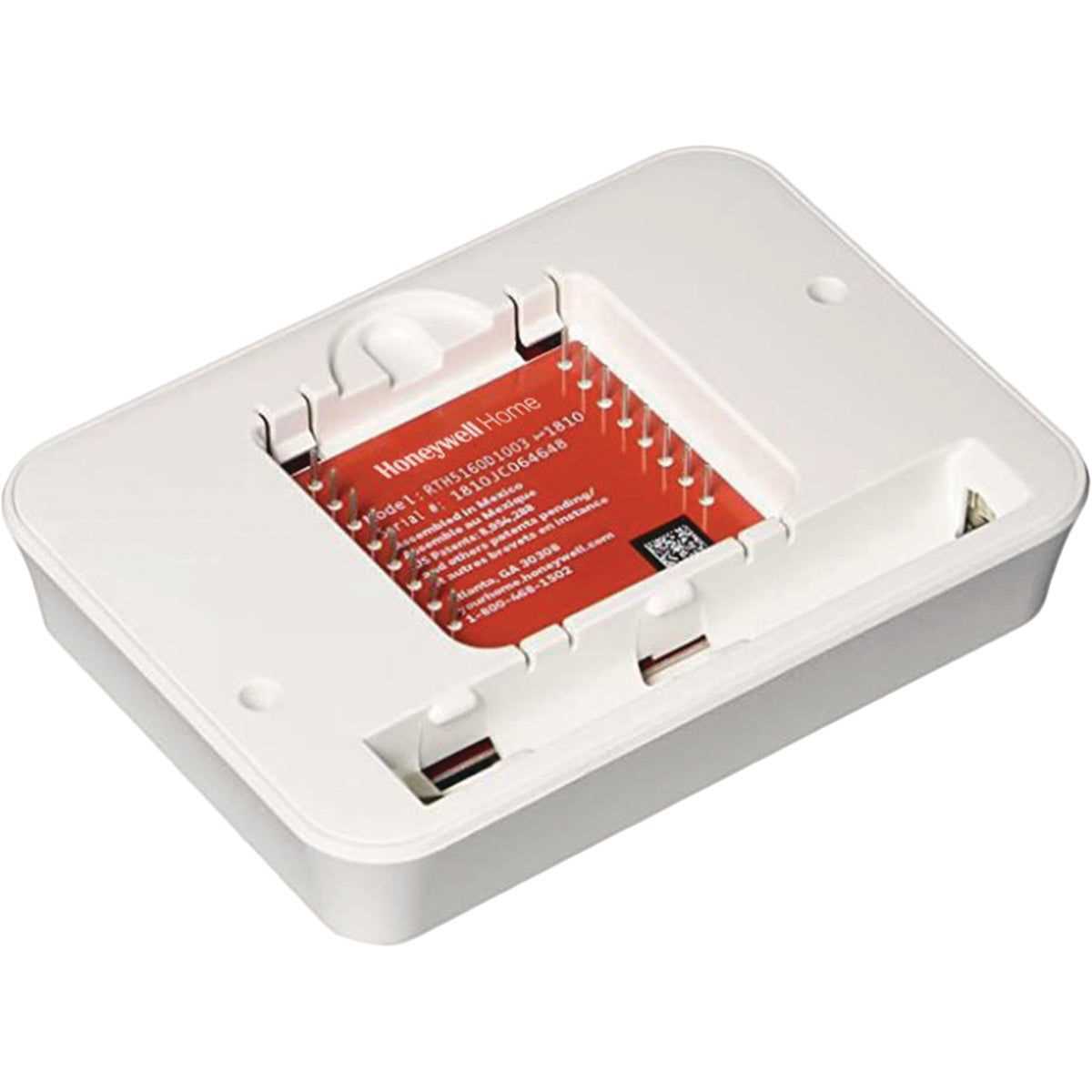
Connect the R, C, W, Y, and G terminals precisely to their corresponding HVAC components to ensure reliable operation. Verify each wire is securely fastened and stripped to the correct length to prevent loose contacts and voltage drops.
Confirm the voltage supply between R and C terminals before applying power. Standard 24V AC is required; fluctuations beyond ±2V can cause erratic behavior or damage control electronics.
Label each wire according to its function before removal from an existing thermostat. Use color-coded markers to match heating, cooling, and fan signals, reducing the risk of cross-connections during installation.
Check compatibility with multi-stage systems if your setup includes additional heating or cooling units. Ensure the control board supports auxiliary or emergency heat terminals and adjust connections accordingly to prevent malfunctions.
Test each signal individually using a multimeter or continuity tester after installation. Confirm that activating the thermostat triggers the corresponding relay or module response, ensuring accurate control of HVAC components.
Thermostat Terminal Connections and Power Setup Guide
Connect the R and C terminals directly to the 24V AC transformer to provide stable power. Ensure the polarity aligns with the control unit requirements to prevent operational faults.
Attach the W terminal to the heating control relay and verify continuity with the furnace or heat pump. Avoid crossing wires to other terminals to maintain isolated control circuits.
Link the Y terminal to the cooling contactor on the outdoor unit. Confirm the signal triggers compressor engagement by testing with a multimeter during initial setup.
Connect the G terminal to the fan relay for blower operation. Check that the fan activates immediately when the thermostat calls for airflow, without delay or misfiring.
Inspect all wire insulation to prevent short circuits. Trim exposed wire ends to ¼ inch and tighten terminal screws firmly to reduce electrical resistance.
Label each lead with a corresponding color code such as red for R, white for W, yellow for Y, and green for G. This simplifies future troubleshooting or component replacement.
Test all signals individually before closing the thermostat housing. Use a voltage tester to verify that each terminal responds correctly to heating, cooling, and fan commands.
Ensure system grounding is properly established by connecting the control unit frame to the building ground. This prevents electrical noise interference and protects the thermostat electronics from transient surges.
Identifying Thermostat Terminals and Their Functions
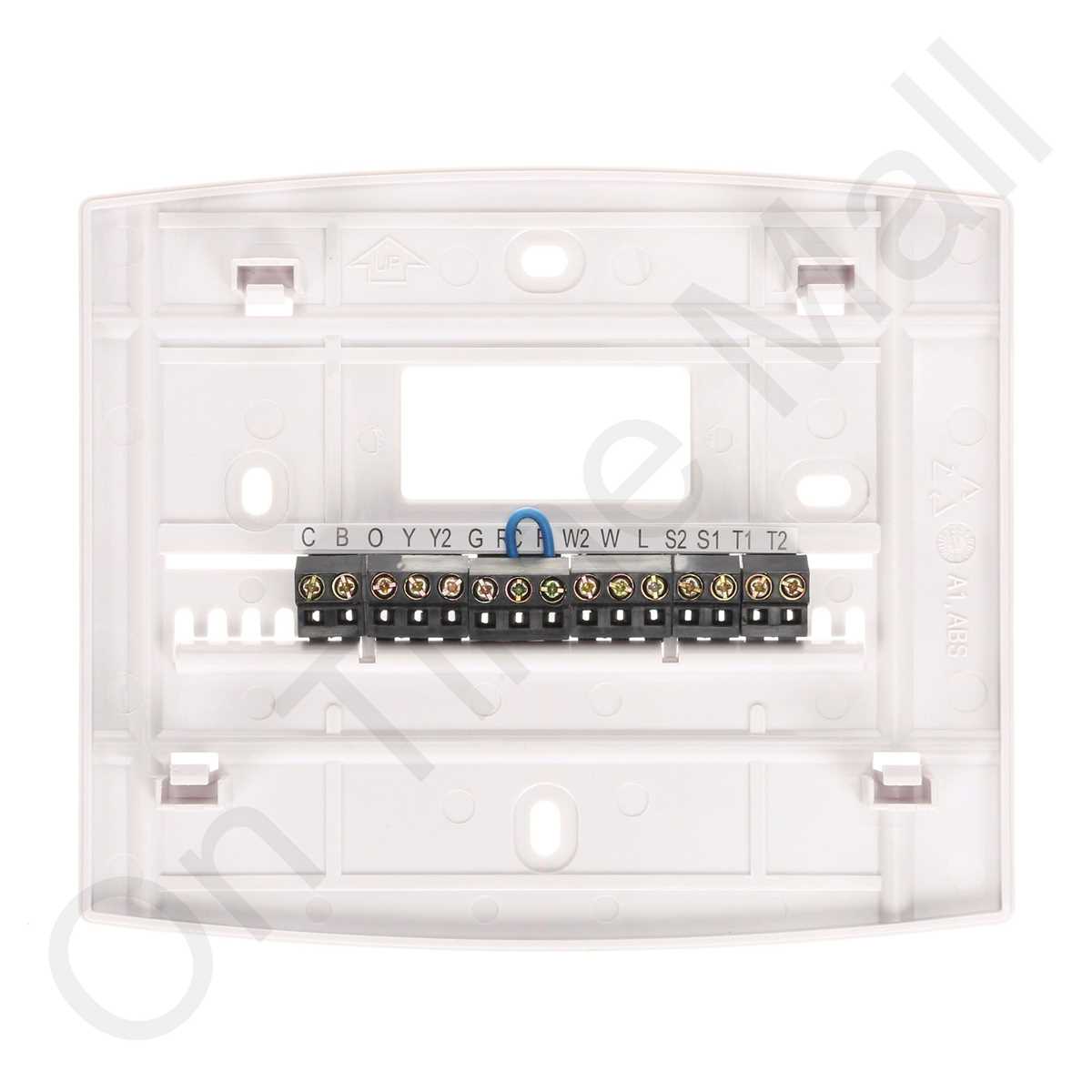
Start with the R terminal as the main power source supplying 24V AC to the thermostat. The W terminal directly controls heating relays, while Y engages the cooling contactor. The G terminal triggers the fan, and each connection should be confirmed with a voltage meter before proceeding.
Label all leads according to their function using standard color codes: red for R, white for W, yellow for Y, and green for G. This prevents confusion during installation or maintenance and ensures each signal correctly activates its corresponding system component.