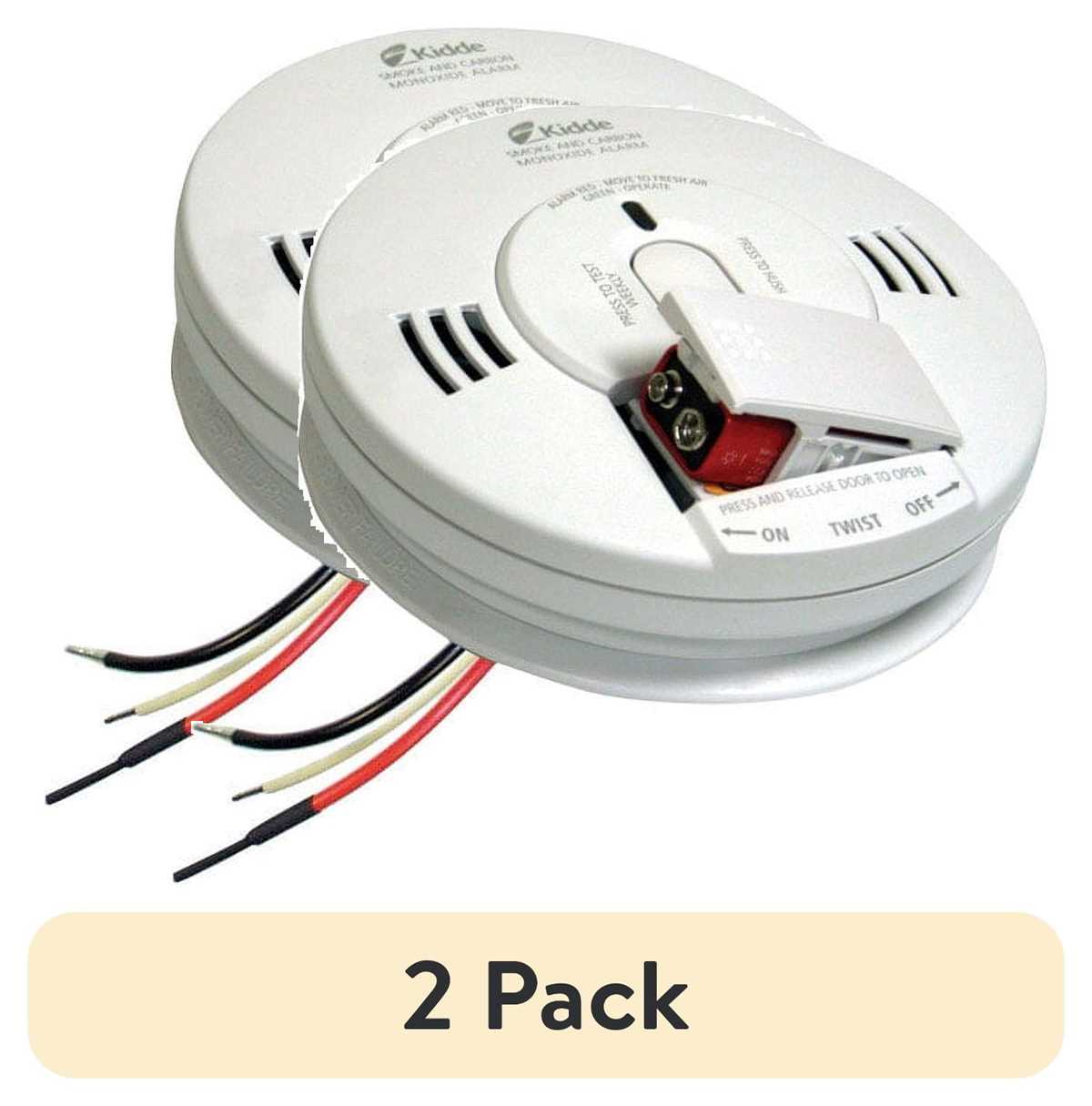
Connect the 120-volt supply line, neutral conductor, and the red signal lead exactly according to the terminal markings on the alarm base. Black carries live power from the household branch line, white returns current to the neutral bar in the panel, and the red link transfers an alert signal between all units installed in different rooms. This three-lead arrangement allows one sensing unit to trigger every alarm across the dwelling.
Use 14-3 or 12-3 cable with ground when linking multiple ceiling alarms on the same branch line. The cable includes a hot conductor, neutral return, and a third communication lead that joins every unit in parallel. Route the cable through junction boxes mounted in ceilings or high on hallway walls. Strip insulation by 10–12 mm and secure each conductor with the supplied plug harness or approved twist connectors.
Place units at least 300 mm from wall corners and more than 900 mm from cooking appliances to reduce nuisance alerts. Install one unit inside every sleeping area, one in the corridor outside bedrooms, and another on each floor level. When interconnected, a single alarm event produces a synchronized alert tone in all devices, giving occupants time to evacuate.
Connecting Your Smoke Detection System Correctly
To set up the system correctly, begin by ensuring you have the proper electrical connections. You’ll need to connect the live wire to the black terminal, the neutral wire to the white terminal, and the interconnect wire to the red terminal. This three-wire setup ensures that each unit receives power and can communicate with the other alarms in the system, allowing them to activate simultaneously in the event of an emergency.
When dealing with multiple units, use a 14-3 or 12-3 gauge wire. This type of wire includes a live, neutral, and interconnect wire, which is necessary for creating a network of alarms that work together. Make sure to route the wire properly, keeping it secure and free of any obstructions.
Before proceeding with the installation, double-check that the unit’s location is optimal. Smoke alarms should be mounted at least 300mm from any wall corner, with enough clearance from kitchen appliances. The placement of your alarm is key to avoiding false alarms while ensuring it provides adequate coverage.
Connect the neutral wire to the white terminal, which serves as the return path for the electrical current. This connection is important for the correct operation of the system and helps maintain the unit’s constant power. Failure to connect the neutral wire correctly can prevent the system from working altogether.
Once you have connected the wires to the alarm base, mount it on the ceiling or wall, depending on your setup. Be sure to tighten the screws to secure the unit firmly in place. This ensures it remains stable during regular use, preventing any accidental disconnections.
For optimal performance, test the system after installation. You can do this by pressing the test button on each unit, ensuring that all alarms in the network sound at the same time. If some units fail to activate, check the connections, ensuring that each wire is securely fastened to the appropriate terminal.
Finally, once all units are installed and tested, ensure regular maintenance by checking the batteries and testing the system monthly. Proper upkeep ensures that the system is always ready to function properly in an emergency, providing peace of mind to all inhabitants of the building.
Wire Colors for 120V Alarm Installation
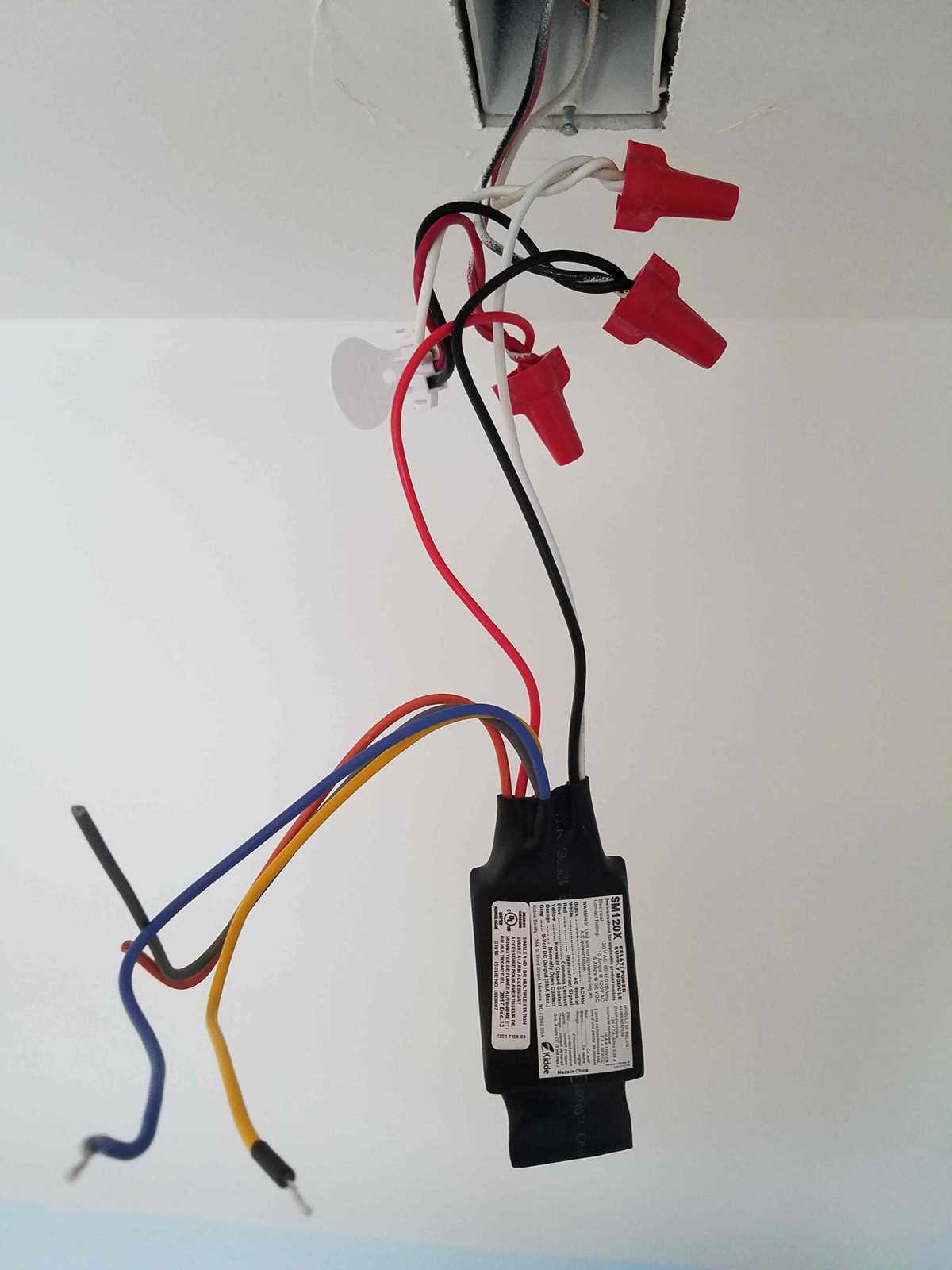
The hot (live) wire, which is typically black, should be connected to the black terminal on your alarm. This is the wire that supplies electrical power to the unit. When connecting the live wire, ensure that the power to the circuit is turned off to avoid any risk of electric shock.
The neutral wire, commonly white, connects to the white terminal. This wire serves as the return path for the current. Improperly connecting the neutral wire could prevent the unit from receiving power, rendering it nonfunctional.
The interconnect line, which is often a red wire, allows the alarm to communicate with other alarms in the system. If one alarm is triggered, this line ensures that all alarms sound off simultaneously. For this connection to work properly, all alarms in the system must be interconnected using the red wire.
During installation, double-check that all wire connections are secure and that no wires are exposed. Loose or improperly connected wires can cause malfunctions or even create fire hazards. Use wire nuts or approved connectors to ensure a safe and solid connection for each wire type.