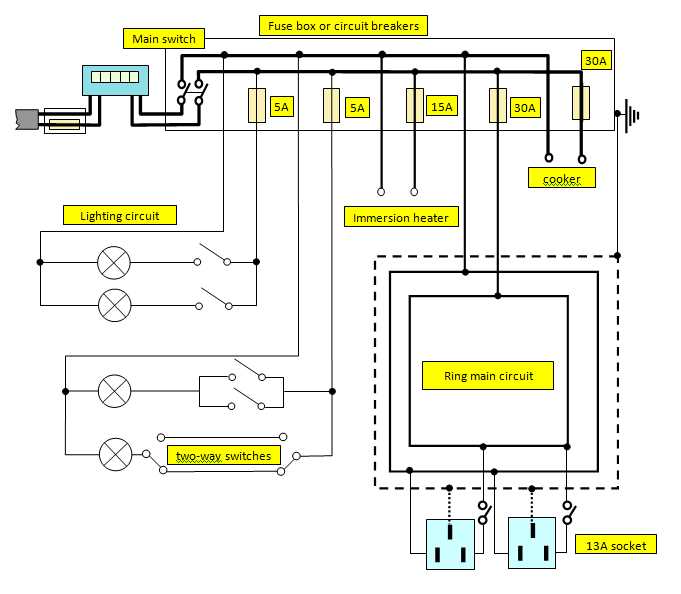
To properly design and implement a reliable power supply network, it is important to ensure that the cables are connected in a looping manner. This method significantly reduces the risk of power loss due to failure in individual connections. By connecting the cables in a loop, the power continues to flow even if part of the circuit is damaged or disconnected.
When designing this system, each connection point should be carefully planned. Start by calculating the current and ensuring that each segment of the system can handle the required load. Use the correct type of wiring that meets industry standards for safety and efficiency. Also, pay attention to the way connections are distributed so that the entire loop is well-balanced and no part of it becomes overloaded.
In practice, one common issue that arises is improper installation of connections, which can cause an imbalance or faulty operation. Properly terminating each wire and verifying all connections with a multimeter can help avoid these problems. Moreover, maintaining the integrity of the insulation is critical for the overall safety of the system, as exposed wires could lead to electrical hazards.
Electrical Ring Circuit Setup and Troubleshooting
Start by planning the layout carefully. The main loop should be designed with adequate wiring to handle the expected load. The total wire length should not exceed recommended limits to avoid voltage drops. It’s vital to follow national safety standards to ensure that each connection is secure and that the power is evenly distributed across the entire system.
For proper operation, all points in the network should be connected in a continuous loop, ensuring redundancy. If a segment of the loop fails, the power flow should still continue through the remaining parts. However, remember that the loop should not be overloaded; each branch should carry no more than its designated current to prevent overheating and potential damage.
Next, ensure that all junctions are securely wired. Tight connections prevent loose contacts, which can cause overheating or even sparks. Use a torque wrench to tighten connections to the manufacturer’s recommended settings, as over-tightening or under-tightening can result in system failure.
Verify that the loop’s total resistance is within the required range. Too much resistance will lead to poor performance, so it’s crucial to check the total length of wires and their gauge to ensure they meet the specifications for the load they will carry.
When troubleshooting a malfunctioning loop, first check for continuity using a multimeter. This will help identify any open connections or breaks in the circuit. If the power does not return to the system after checking the connections, it’s possible there is a fault with the loop itself, such as damage from wear or environmental factors.
If all connections are secure and the system still malfunctions, examine the power distribution panel for signs of overload. Check the circuit breaker or fuse associated with the loop, as a trip or blown fuse could indicate that too much current is being drawn. A properly functioning fuse or breaker should trip when an overload occurs to protect the entire system.
In some cases, poor insulation may be the cause of a fault. Inspect all cables for any damage to their outer casing, and replace any damaged sections immediately. Exposed wires can cause shorts, so ensure the integrity of the insulation around the system is maintained at all times.
Finally, for long-term maintenance, it’s recommended to schedule regular inspections of the system. Clean terminals and check for signs of corrosion at junction points. Keeping all components in optimal condition will extend the life of the setup and reduce the frequency of issues requiring troubleshooting.
How to Properly Connect a Ring Circuit in Electrical Systems
Start by planning the layout of your setup to ensure the connection is reliable and safe. Measure the total length of the wire that will form the loop and choose an appropriate gauge based on the expected load. Make sure to follow relevant safety codes to avoid overloading the system.
Next, connect one end of the wire to the distribution board, where the power supply originates. Ensure that the cable is securely fastened and that the terminals are free from any debris or corrosion. Tighten the terminals using a torque wrench to avoid connection issues over time.
Once the first connection is made, begin looping the wire around the designated area, ensuring that each junction is made at regular intervals. The key to success here is maintaining a continuous loop, which guarantees the supply of power even if one segment fails. All connections must be tightly secured to prevent any loose contacts.
At each junction, make sure to insert the wire into the correct terminal. Label each terminal before making the connection to avoid any confusion later. Use cable ties or other securing methods to hold the wire in place, ensuring it doesn’t interfere with any other equipment or structure.
During installation, ensure that the loop is not overextended. Overlength wires may cause voltage drops and can affect the efficiency of the system. Verify that the total wire length falls within the specified limits, and use a multimeter to measure the resistance to confirm proper functioning.
After the wire is installed, check for continuity using a multimeter. This will help identify any breaks or weaknesses in the loop. If there is no continuity, trace the path to locate any faulty connections or damaged sections, and repair them before proceeding with the final tests.
When everything is connected properly, test the system by turning the power on and checking each terminal for voltage. This ensures that all parts of the loop are receiving power and functioning as expected. Make sure that the system operates without tripping breakers or fuses, which could indicate overloading.
Finally, maintain your setup by regularly inspecting the connections. Over time, loose or corroded contacts may cause intermittent failures. Regularly check for any wear or damage and replace worn components as needed to ensure a long-lasting, reliable connection.