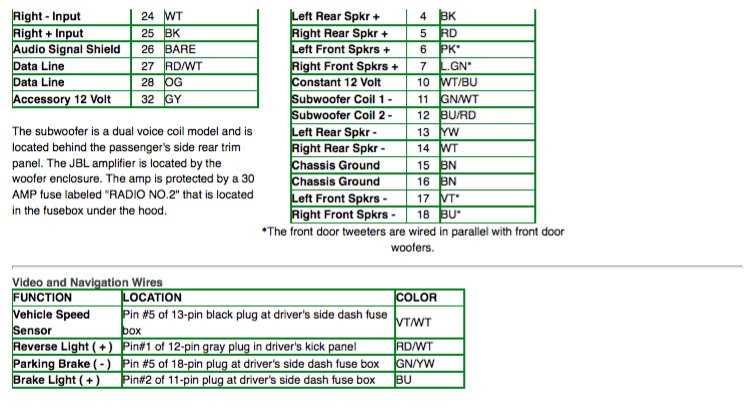
To ensure proper installation and optimal performance of your car’s audio system, follow these clear steps for connecting a compact power amplifier. First, secure the amplifier to a stable surface, ideally close to the head unit or speaker connections for easy wire management.
Begin by connecting the power cable directly to the car battery, using a fuse within 18 inches of the battery to prevent potential damage from short circuits. For ground, attach a thick cable to a clean, unpainted metal surface of the car chassis. This ensures proper grounding and minimizes noise in the audio system.
Next, connect the speaker terminals to the corresponding wires from your speakers. Double-check the polarity, ensuring that positive and negative connections match between the amplifier and speakers to avoid phase issues or sound distortion.
Finally, ensure that all connections are secure and insulated to prevent any potential short circuits. If you’re using RCA cables for signal input, make sure to route them separately from power cables to avoid interference. Once everything is connected, power up the system and verify all components are functioning correctly.
Wiring the Compact Power Amplifier: A Step-by-Step Approach
Start by connecting the power wire from the amplifier directly to the positive terminal of the car’s battery. Use a fuse no more than 18 inches from the battery to prevent electrical damage in case of a short circuit. This fuse is crucial for safety.
Next, ground the unit by attaching the ground wire to an unpainted metal surface of the vehicle. This minimizes the chance of interference and ensures a stable connection, preventing sound distortions caused by poor grounding.
The signal connection from the head unit requires RCA cables. Make sure to connect the RCA cables from the output of the head unit to the amplifier’s input terminals. To avoid any electrical noise, keep these signal cables away from power cables during installation.
For the speaker connections, it’s important to match the positive and negative terminals properly. Connect the positive output from the amplifier to the positive input of each speaker. Incorrect polarity could lead to phase cancellation and degraded audio quality.
Pay attention to the speaker wire gauge. For most applications, 16 gauge wire is sufficient, but for larger setups, using a thicker gauge wire may improve power delivery. Ensure that all wires are tightly secured to prevent loose connections, which can lead to signal loss.
Before powering up, double-check each connection. A poor connection can result in sound distortion, loss of power, or even damage to components. Inspect the terminals for any signs of wear, and ensure all wires are properly insulated.
Once everything is connected, test the system. Start the vehicle and gradually increase the volume. Listen for any signs of distortion or buzzing that could indicate an issue with the wiring or ground connections. If all sounds clear, the installation is complete.
How to Wire the Amplifier to Your Car Audio System
Begin by placing the amplifier near the head unit or speakers to minimize cable lengths. This will make connections more efficient and prevent unnecessary signal loss. Ensure the surface is stable to avoid any potential damage or disconnection during use.
Power and Ground Connections
For the power supply, connect the positive cable from the amplifier to the car’s battery terminal using an appropriately rated fuse within 18 inches of the battery. The ground cable must be securely attached to an unpainted metal part of the car’s chassis to guarantee a clean and interference-free signal.
Signal and Speaker Connections
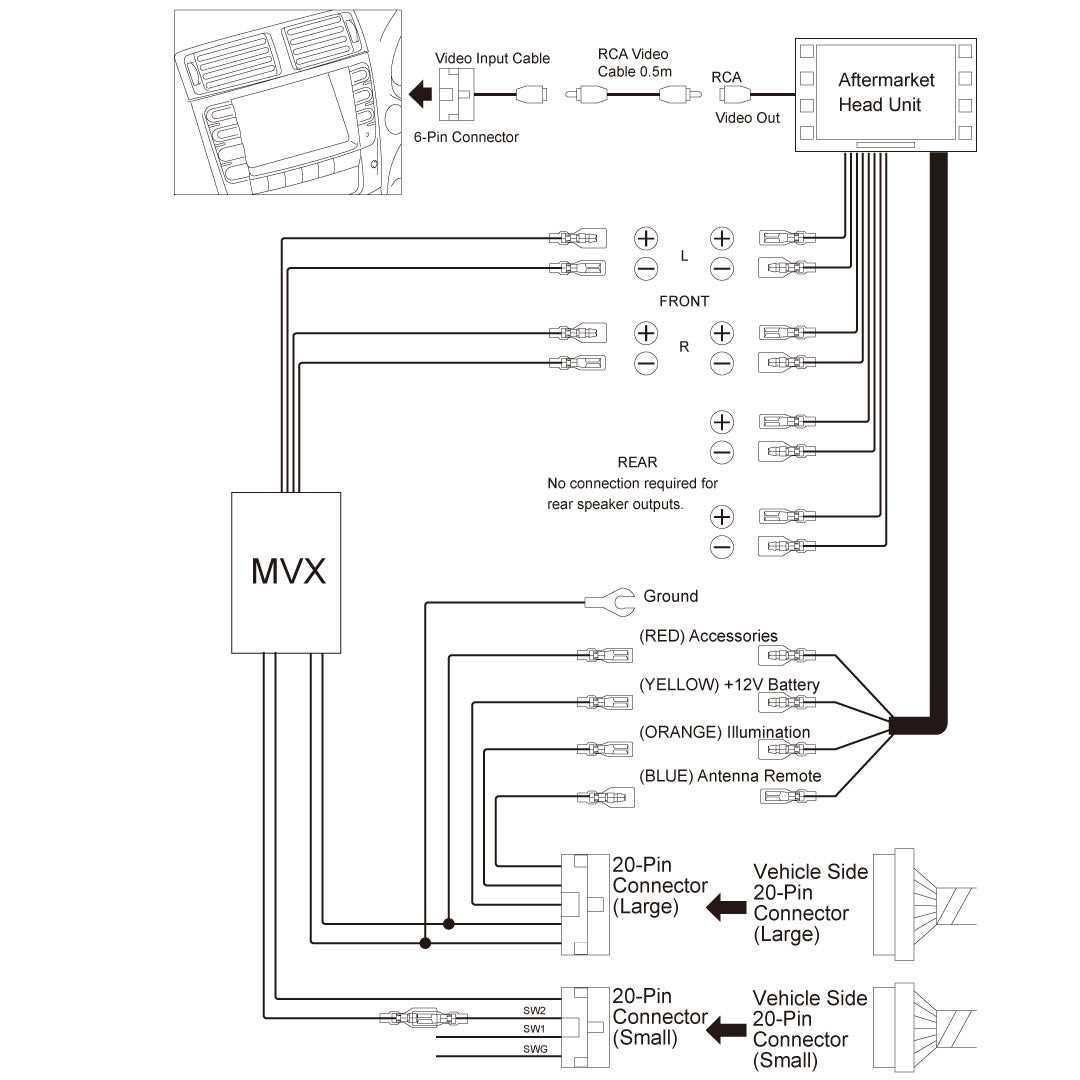
Run RCA cables from the head unit’s output to the amplifier’s input. Make sure these cables are separated from power wires to avoid noise interference. For speaker outputs, ensure you match the positive and negative terminals between the amplifier and speakers. Incorrect connections can lead to phase issues and poor sound quality.
Use a sufficient gauge of speaker wire, typically 16 gauge, for standard setups. Ensure all connections are tight and properly insulated to avoid any short circuits or signal drops.
After confirming all connections are secure, turn on the system and test the sound output. Listen for any distortion, which may indicate loose connections or improper grounding. Once the system works properly, finalize the installation by securing the amplifier in place and tidying up any cables.