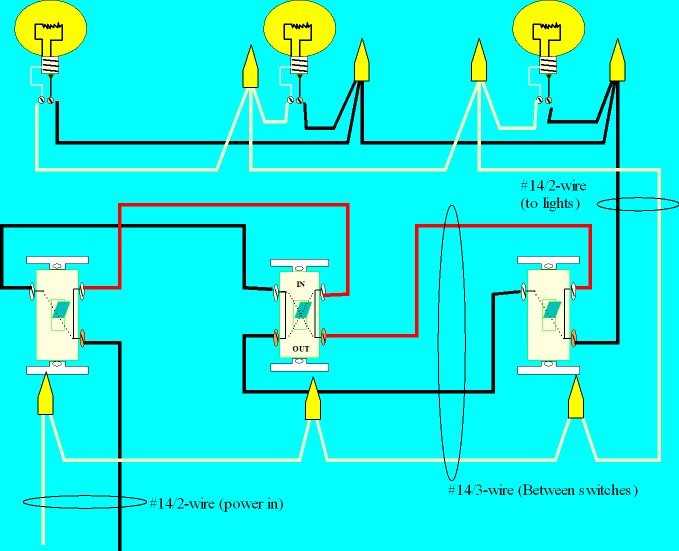
Connect the live conductor directly to the terminal marked “L” on the toggle device. Use copper wires with at least 14 AWG rating for standard household voltage to ensure minimal voltage drop and safe operation. Double-check terminal screws are tightened to 0.5–0.6 Nm to prevent arcing over time.
Attach the outgoing line to the load side, ensuring the wire matches the current rating of the fixture. Color-code conductors with black or red for hot lines and white for neutral to maintain consistency with electrical codes and facilitate troubleshooting.
Incorporate grounding by connecting a green or bare copper wire from the mounting box to the grounding screw on the control unit. Secure all connections with approved wire nuts and inspect that no bare strands are exposed, reducing risk of short circuits.
Consider intermediate controls when multiple access points are needed; use traveler wires between two or more toggles. Label each traveler to avoid confusion during maintenance or upgrades, especially in multi-gang setups.
Test continuity before closing the panel. Verify voltage presence with a non-contact tester at both terminals, confirming that the circuit completes as intended and the fixture responds instantly without flickering.
Control Point Connection Layout
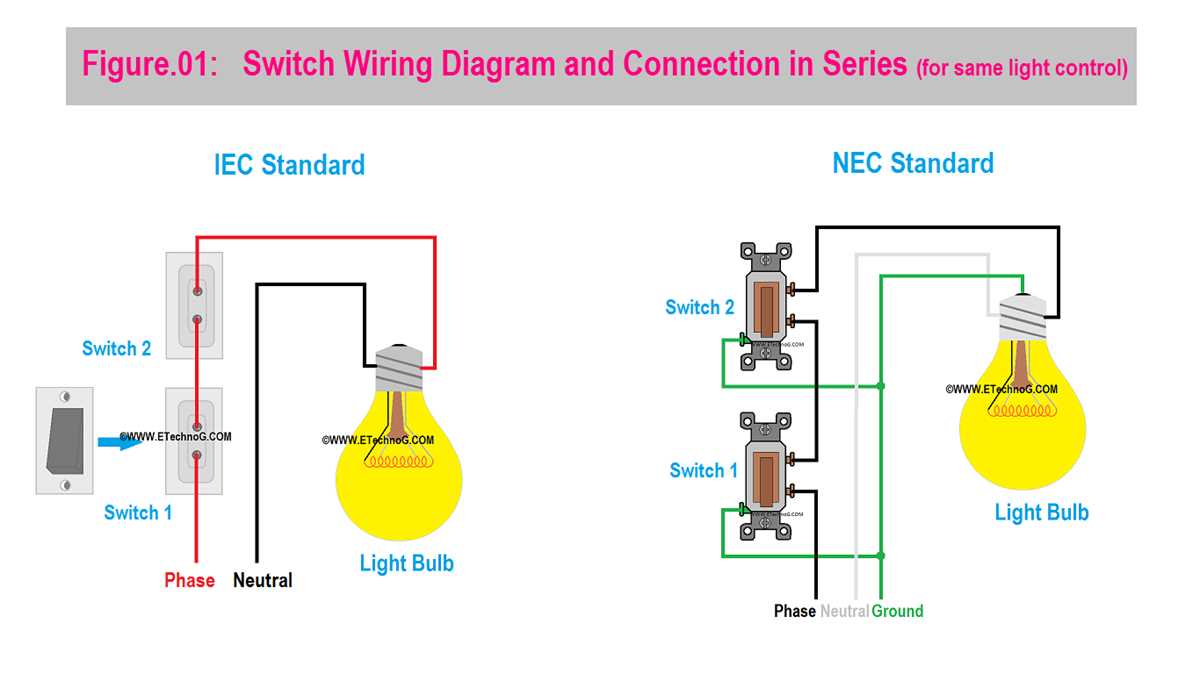
Begin by identifying the live and neutral conductors in your circuit. Connect the live wire to the first terminal of the actuator point and ensure it is secured with a torque of 0.5 Nm. Loose connections can cause overheating and premature failure.
Use a short jumper to link the output terminal of the control to the load. For a single-light setup, a 14 AWG copper conductor is sufficient for currents up to 15A. Ensure the insulation rating matches at least 300V.
Grounding Requirements
Attach the green or bare conductor to the grounding screw on the device chassis. This step prevents potential electric shocks and stabilizes voltage fluctuations in metallic enclosures. Check that the grounding path has continuity using a multimeter.
For multiple actuator points controlling one light, configure the traveler terminals with insulated 16 AWG wires. Arrange them in parallel so that toggling any point energizes the load. Label each conductor to avoid misconnection during maintenance.
- Verify polarity before energizing the circuit.
- Mount the unit into a non-conductive box to reduce accidental shorts.
- Ensure screws are tightened without damaging insulation.
- Double-check continuity from line to load.
In multi-level lighting, consider integrating intermediate connectors. They allow a single control line to extend across multiple devices without splicing. Always de-energize the circuit before modifying connections.
After installation, perform a functional test by cycling each actuator point. Observe the load response and check for flickering or delayed activation. If anomalies appear, inspect terminals for corrosion or poor contact, and replace any compromised components immediately.
Identifying Live, Neutral, and Ground Wires
Always shut off power at the breaker before touching any conductors. Use a non-contact voltage tester to confirm the presence of electricity on suspected live wires.
Live cables usually have insulation colored black, red, or brown, depending on regional standards. These carry current from the power source to the device.
Neutral conductors typically appear white or blue. They complete the circuit by returning current to the panel, and they should not carry voltage when the circuit is idle.
Ground wires are either green, green with yellow stripes, or bare copper. They connect to metal parts of the fixture and provide a path for fault current to prevent shock.
Labeling wires during replacement or upgrades prevents future misidentification. Use colored electrical tape or pre-made tags to mark each conductor.
Test each wire individually with a multimeter. Check continuity between the ground and panel bus, and measure voltage between live and neutral to confirm proper connections.
Avoid assuming a wire’s function based solely on its position in a box. Older homes may have unconventional color codes, requiring verification before handling.
When in doubt, consult local electrical codes or a licensed electrician. Accurate identification reduces fire risk, prevents device damage, and ensures personal safety.