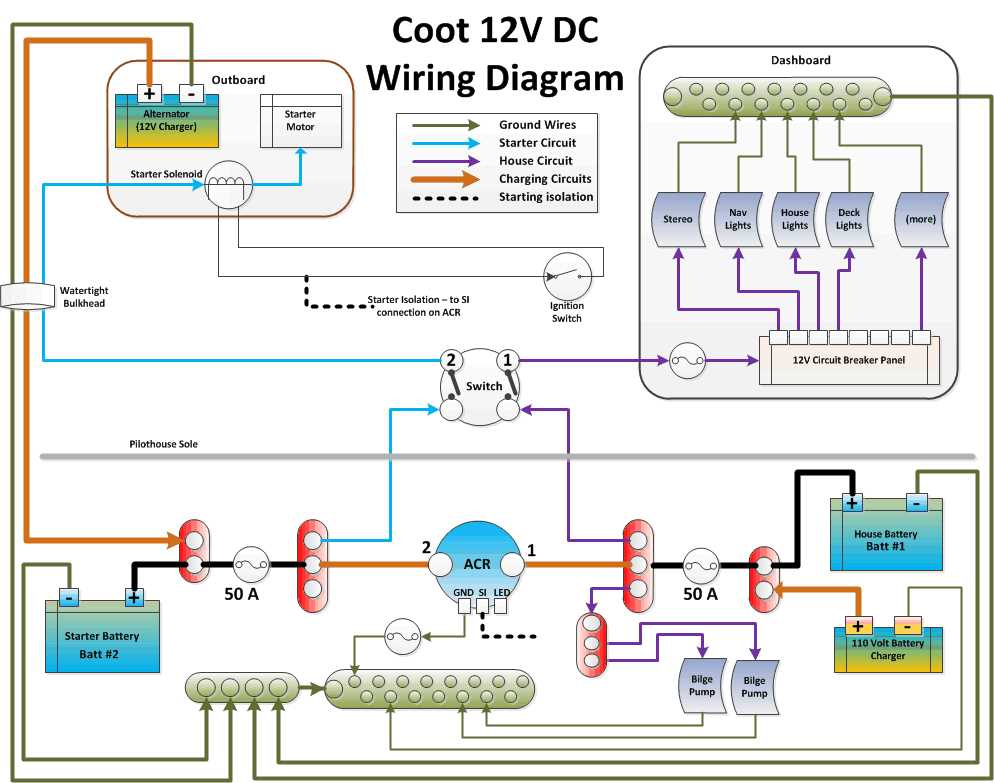
Ensure all leads are correctly matched to their respective terminals before engaging the protective switch. Incorrect placement can result in immediate power interruptions or permanent damage to sensitive electronics.
Use appropriately rated conductors for each segment of the electrical path. Undersized cables can overheat quickly, while oversized wires may hinder reliable tripping mechanisms, reducing safety efficiency.
Maintain clean and corrosion-free contacts throughout the assembly. Oxidized or loose connectors increase resistance and can prevent the protective unit from responding accurately under overload conditions.
Integrate auxiliary fuses or inline safeguards where high-current draws are expected. This additional layer ensures that critical systems remain operational while isolating faults before they escalate.
Confirm orientation and torque specifications for all fastening points. Improper tightening may cause intermittent operation or create mechanical stress that degrades the device over time.
Document the configuration immediately after setup, marking each conductor and terminal clearly. Accurate records reduce troubleshooting time and allow rapid maintenance without trial-and-error testing.
Practical Guide for Accurate Installation of Low-Voltage Safety Switches
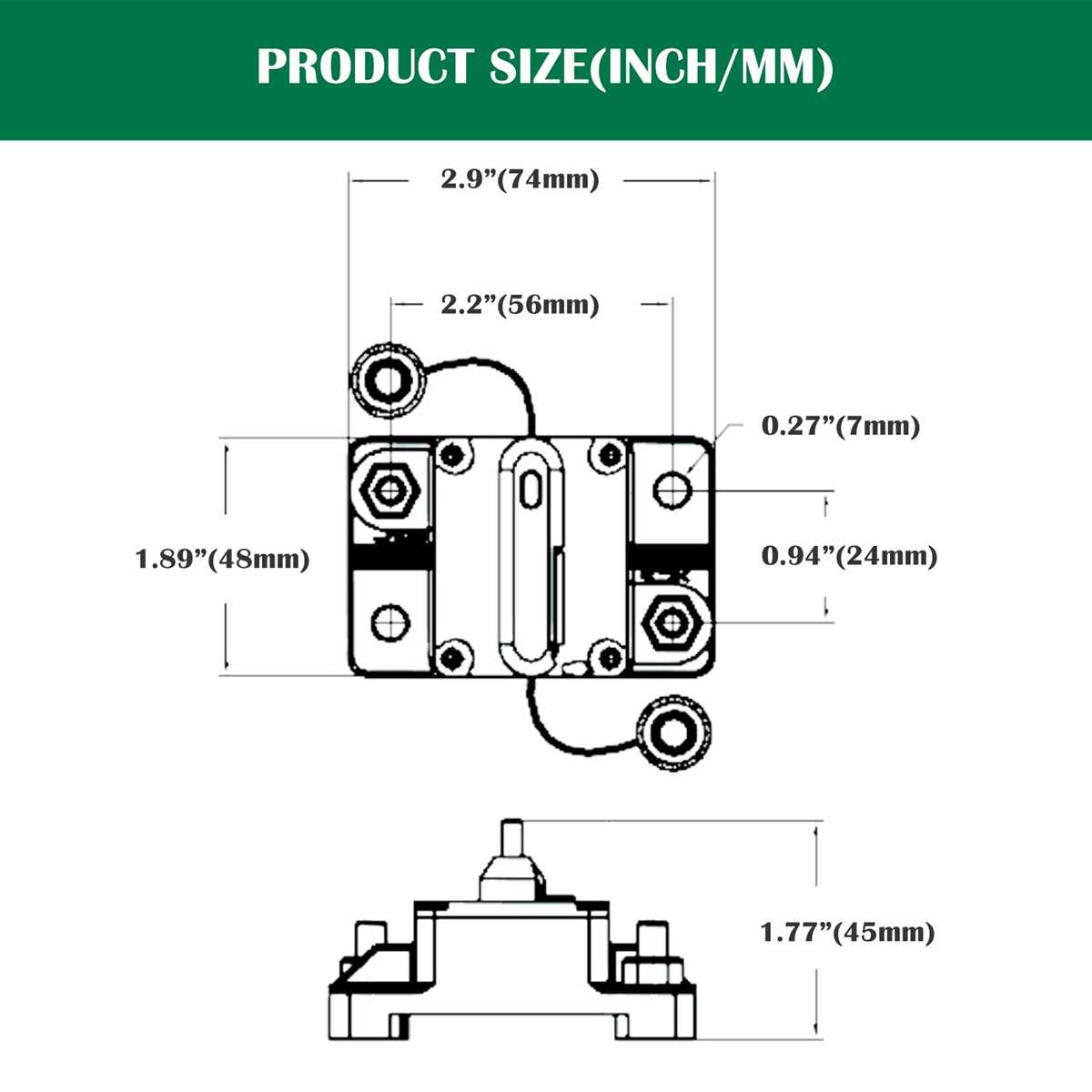
Connect the positive terminal of the power source directly to the input of the protective switch, ensuring a tight and corrosion-free connection. Use appropriately rated terminals and insulated connectors to avoid voltage drops and accidental shorts.
Route the load conductor from the output side to the device while maintaining a minimum bend radius of 3–5 cm to prevent stress on the insulation. Label both ends clearly to simplify future troubleshooting and maintenance.
For multi-device setups, install distribution blocks between the switch and each component. This allows individual overcurrent protection and reduces the risk of total system shutdown in case of a fault.
Secure all fasteners with thread-locking compound and verify torque specifications according to the manufacturer’s ratings. Periodically inspect connections for discoloration or looseness, which can indicate overheating or mechanical fatigue.
Test the protective mechanism by simulating a controlled overload using a temporary resistor or test load. Confirm that the switch trips within the specified current range, then reset and monitor voltage stability across the network before final deployment.
Choosing the Right 12v Circuit Protector for Your System
Select a protector rated slightly above the maximum load of your electrical setup to prevent frequent interruptions while ensuring safety. Check both continuous and peak current limits before installation.
Consider the physical size and mounting style. Compact designs fit tight spaces in automotive or marine applications, while larger models may allow easier access for resets and maintenance.
Temperature tolerance matters. Components with wider operating ranges reduce the risk of thermal trips in hot engine compartments or enclosed battery compartments.
Look at trip characteristics. Some devices respond instantly to surges, while others tolerate short bursts without interrupting the flow, making them suitable for motors or starter circuits.
Connection type influences reliability. Screw terminals provide firm attachment for thicker cables, whereas plug-in designs offer quick swaps but can loosen over time under vibration.
Verify voltage drop specifications. Lower drop units maintain consistent performance across longer cable runs and prevent dimming or malfunction of sensitive electronics.
Durability against vibration and moisture is crucial for off-road or marine systems. Encapsulated housings and corrosion-resistant metals extend service life under harsh conditions.
Check compatibility with reset options. Manual resets are simple and inexpensive, while automatic reset models reduce downtime but may repeatedly cycle during persistent faults, potentially stressing components.