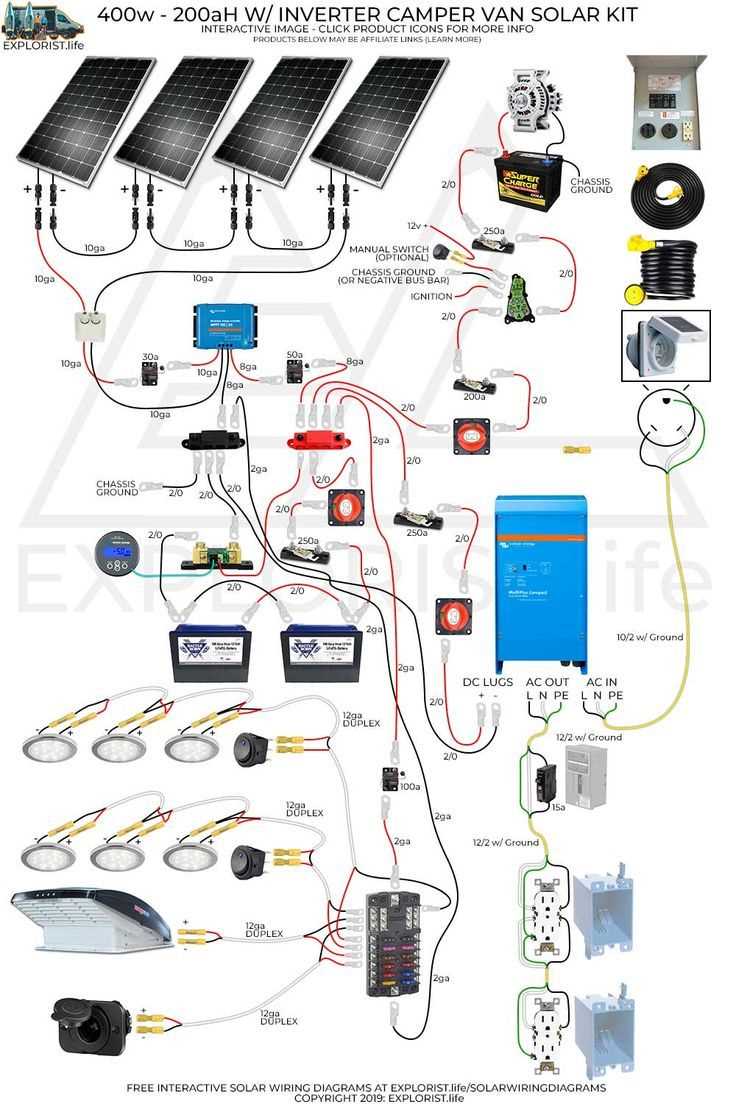
Use a regulated charge controller to prevent overcharging and extend battery life when connecting photovoltaic units to your recreational vehicle. Ensure the controller matches the battery type and total panel output to avoid voltage mismatches.
Route conductors carefully to minimize voltage drop. Keep positive and negative leads separate and secure with clamps or conduit to prevent abrasion and accidental shorts. Maintain at least a 10-gauge thickness for runs over 10 feet.
Integrate a fuse or breaker close to the battery bank on each positive lead. This prevents potential fire hazards and protects both panels and storage batteries from surges or faults in the system.
Check polarity before final connections and test voltage at each junction using a multimeter. Confirm that energy flows correctly from the panels through the controller to the batteries before attaching any distribution loads in the RV.
Step by step guide for connecting energy panels and controllers in an RV setup
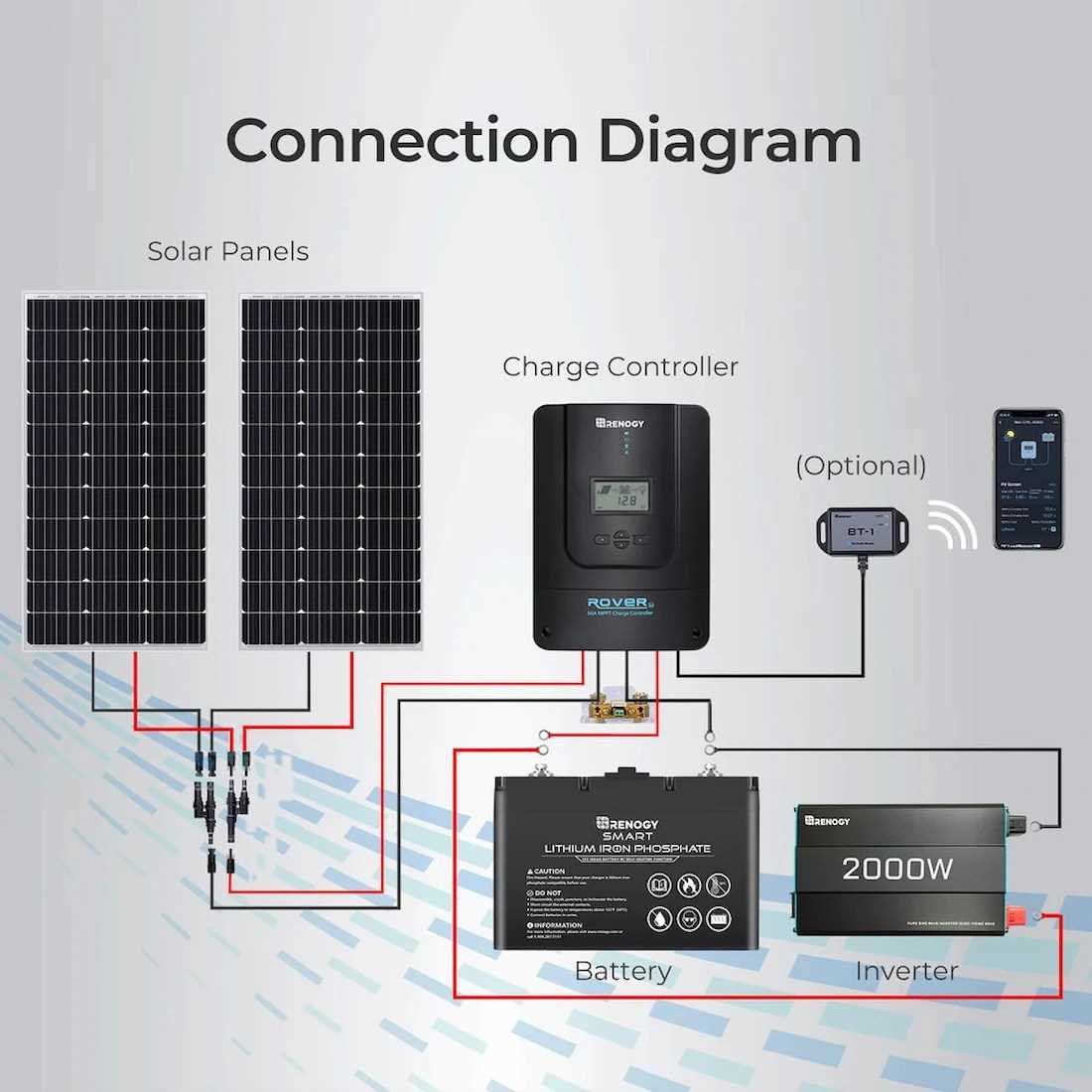
Mount panels securely on the roof of the RV using corrosion-resistant brackets. Ensure each unit is angled to maximize daily exposure and check that no shading occurs from vents or nearby structures.
Run positive and negative leads from each panel to the charge regulator. Use properly rated conductors and protective conduit to prevent chafing. Label each line to keep track of connections when combining multiple units.
Connect to the controller according to the manufacturer’s ratings. Attach battery terminals first, then incoming leads from panels. Verify that the controller display indicates correct voltage and current flow before proceeding to load connections.
Test and secure the system by measuring voltage at the battery bank under full sunlight. Tighten all connections, secure loose wires, and install inline fuses to protect against short circuits. Document each connection point for future maintenance or expansion of the RV setup.
Selecting proper energy panels and charge regulators for mobile applications
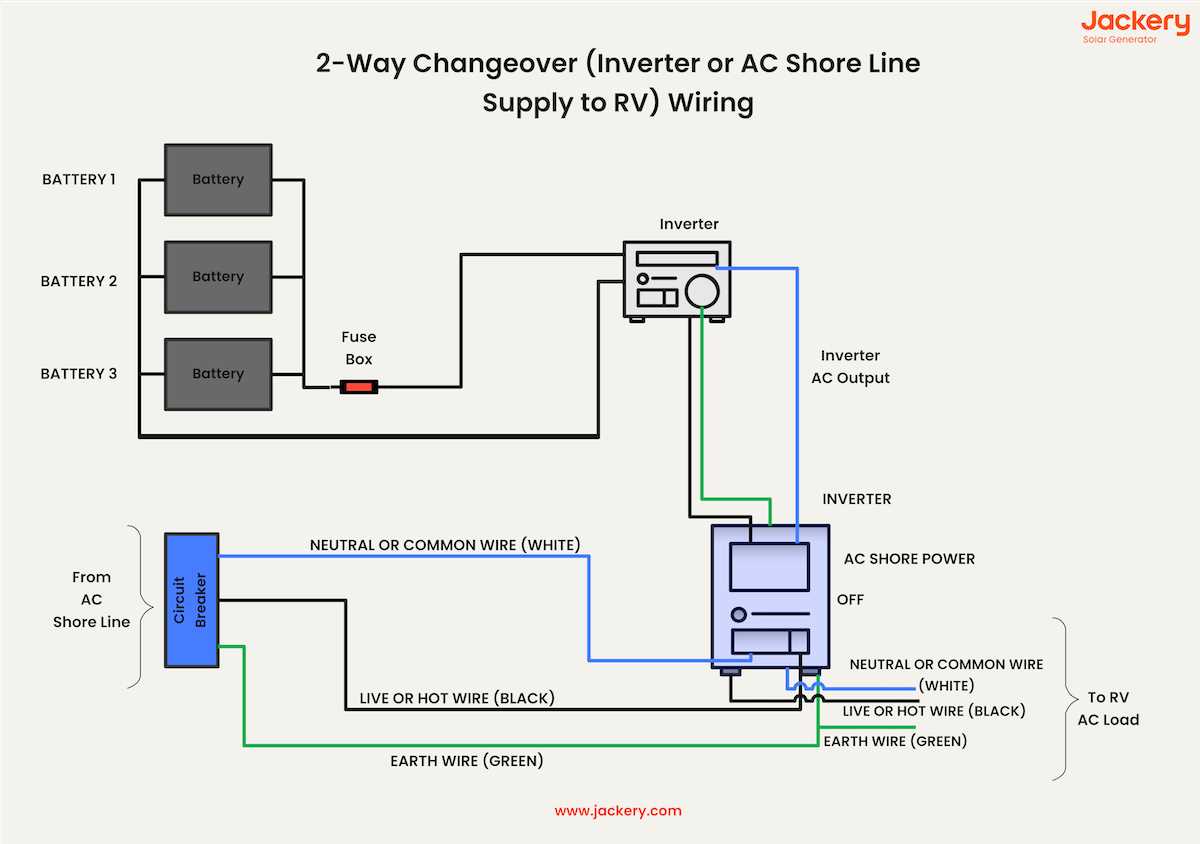
Determine power requirements by calculating total daily energy consumption in amp-hours. Consider all devices, from refrigerators to LED lighting, and add a 20% buffer for cloudy conditions or higher loads.
Choose panels with rigid or flexible frames that fit roof dimensions and tolerate vibrations. Flexible units are lighter and reduce wind resistance, while rigid panels often provide higher output per square foot.
Select the controller type based on battery chemistry and system voltage. MPPT units improve energy capture by 15-25% under partial shading, while PWM models are simpler and suitable for smaller setups.
Check maximum input ratings of the regulator. Ensure the combined open-circuit voltage of panels does not exceed the controller limit. Include inline fuses on each string to prevent overloads and minimize fire risk.
Consider panel efficiency and temperature coefficient. Higher efficiency modules produce more power in limited space, and a low temperature coefficient ensures minimal performance loss in hot climates.
Plan for expansion by installing controllers that allow additional panels without rewiring. Label terminals clearly and leave space in junction boxes to accommodate future upgrades.
Secure panels using vibration-resistant mounts and weatherproof connections. Inspect the system after initial setup and periodically during travel to maintain optimal output and prevent loose connections from road vibrations.