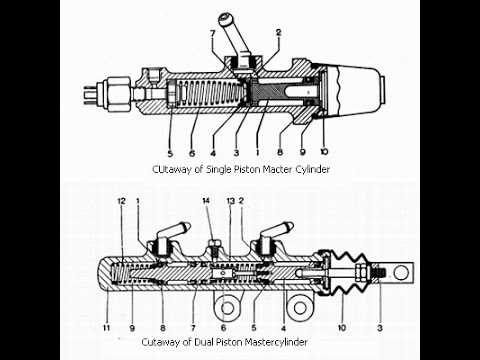
Begin by properly connecting the brake fluid reservoir to the primary braking components. Ensure that the fluid supply is consistent and that there are no leaks, as even minor fluid loss can compromise braking performance. Check that the fluid is at the correct level and that the system is pressurized to provide optimal stopping power.
Next, connect the brake lines from the reservoir to the brake calipers. The positive pressure from the master component should push the fluid through the lines, activating the brake pads to clamp onto the brake discs. Proper sealing is vital to prevent air from entering the system, as this could lead to inconsistent braking performance or total failure.
Once everything is connected, bleed the brake system to remove any trapped air. This can be done by opening the bleeder valve on the calipers and allowing the fluid to flow freely. Use the correct brake fluid type and ensure no contamination enters the system during this process.
After assembling and testing the braking system, verify that both braking circuits are functioning properly. If either circuit fails, the backup system should engage automatically. This redundancy ensures that even in the case of a malfunction in one part, the other part of the system can still perform effectively to stop the vehicle.
Regular maintenance is critical to ensure the longevity and reliability of the brake system. Periodically inspect the brake lines for signs of wear or damage, and replace seals as needed. Always perform a full system check before riding to ensure that the braking system is in optimal condition.
Understanding the Hydraulic Brake System Components
Begin by identifying the key components of the braking system, which include the brake reservoir, brake lines, and the pressure unit. The fluid from the reservoir is directed through the brake lines to the braking units that engage the brake pads. Ensure that the reservoir is tightly sealed to prevent any fluid leakage.
Connecting the Reservoir to the Pressure Mechanism
When connecting the brake fluid reservoir to the system, ensure that the fluid supply is consistent. Use high-quality, secure connectors to prevent air from entering the system. Air pockets can compromise the system’s efficiency and increase the risk of brake failure. Regularly check the fluid levels and look for any signs of leaks in the connections.
The next step is connecting the brake lines to the pressure mechanism, ensuring that each line is securely attached. This hydraulic pressure activates the brake pads when the brakes are engaged, clamping onto the brake discs. Always use hoses with the correct pressure rating and avoid sharp bends that can cause fluid restrictions.
Testing and Troubleshooting the Braking System
After assembling the system, bleed the lines to remove any air pockets. This will ensure smooth fluid flow through the lines, providing reliable braking performance. If you notice inconsistent braking pressure or delayed response, check for air trapped in the lines or damaged components such as seals or hoses.
How to Wire a Dual Circuit Master Cylinder for Reliable Braking
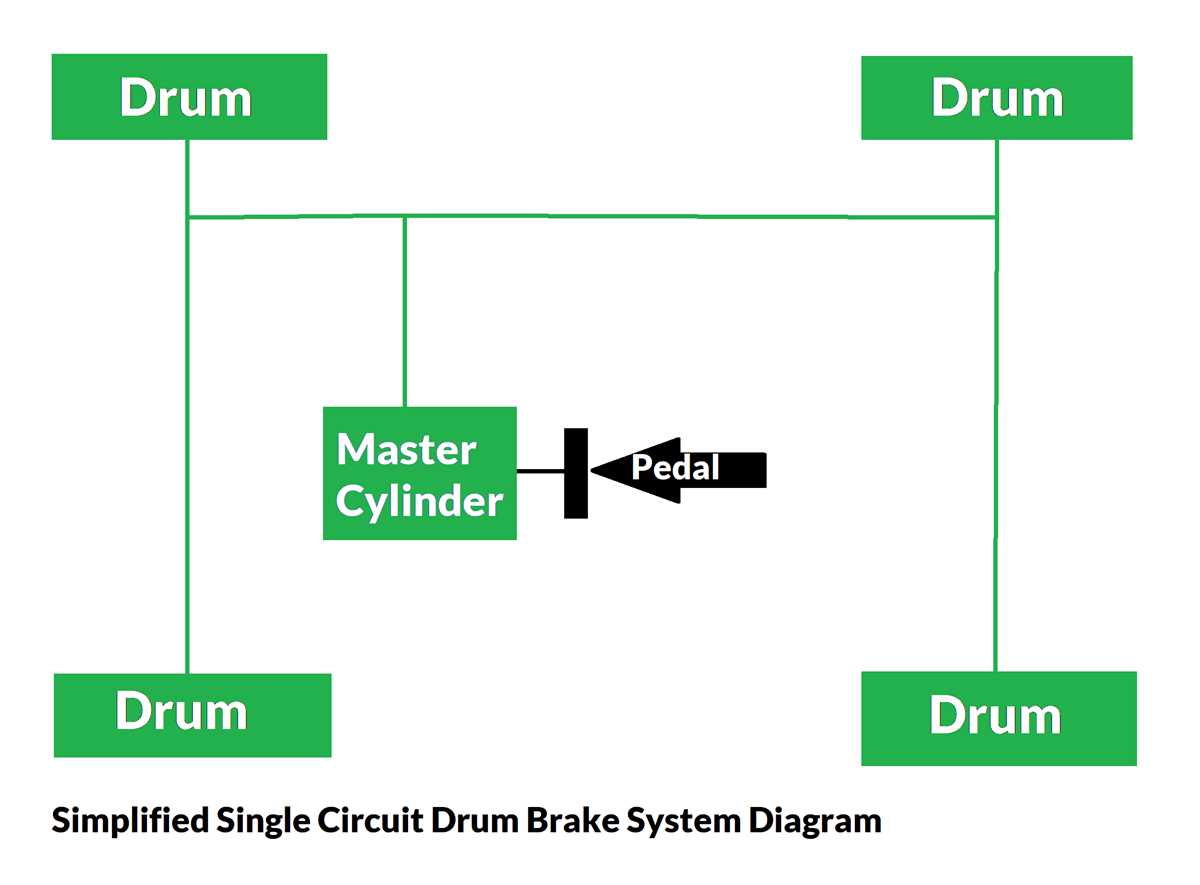
Start by selecting the appropriate brake fluid reservoir and make sure it is securely mounted. The reservoir must be connected to the brake lines that will transmit the fluid pressure. Ensure that the fluid flow is unimpeded and that no air is present in the lines, as air can reduce braking efficiency.
Connecting Brake Lines to the Reservoir
Connect the brake lines from the reservoir to the pressure assembly, ensuring a solid, leak-free connection. The positive and negative connections must be clearly marked and properly aligned to maintain the integrity of the system. Use high-quality hose fittings and clamps to ensure durability and prevent leaks.
Next, attach the brake lines from the pressure unit to the braking components on each wheel. These lines will transmit the hydraulic pressure to activate the brake pads. It is crucial to avoid sharp bends in the lines as they can create restrictions or even block the fluid flow, compromising braking power.
Proper Fluid Setup and Sealing
Once the lines are connected, check the fluid levels in the reservoir. Use the correct brake fluid as recommended for the system. Top up the fluid as needed and ensure that all seals are in place and intact. Any leak in the system can lead to pressure loss and brake failure. After sealing, bleed the system to remove any trapped air that might affect performance.
After ensuring there is no air in the system, test the brake lever to ensure that the pressure is building up correctly. When you pull the brake lever, the pressure should be immediate and firm. If the lever feels soft or spongy, it indicates air in the lines or improper fluid levels. In this case, bleed the system again to eliminate the air.
Before finishing, double-check all connections to ensure they are tight and secure. A loose connection can lead to fluid leaks and unreliable braking. Inspect the lines for any signs of wear or damage, and replace any worn components immediately to avoid potential failure while riding.
Once everything is properly set up, test the entire system by applying the brakes multiple times while stationary. Ensure that the braking response is consistent and powerful. Only after a successful test should the vehicle be used for riding. Regular checks and maintenance are crucial to keep the braking system functioning reliably for the long term.