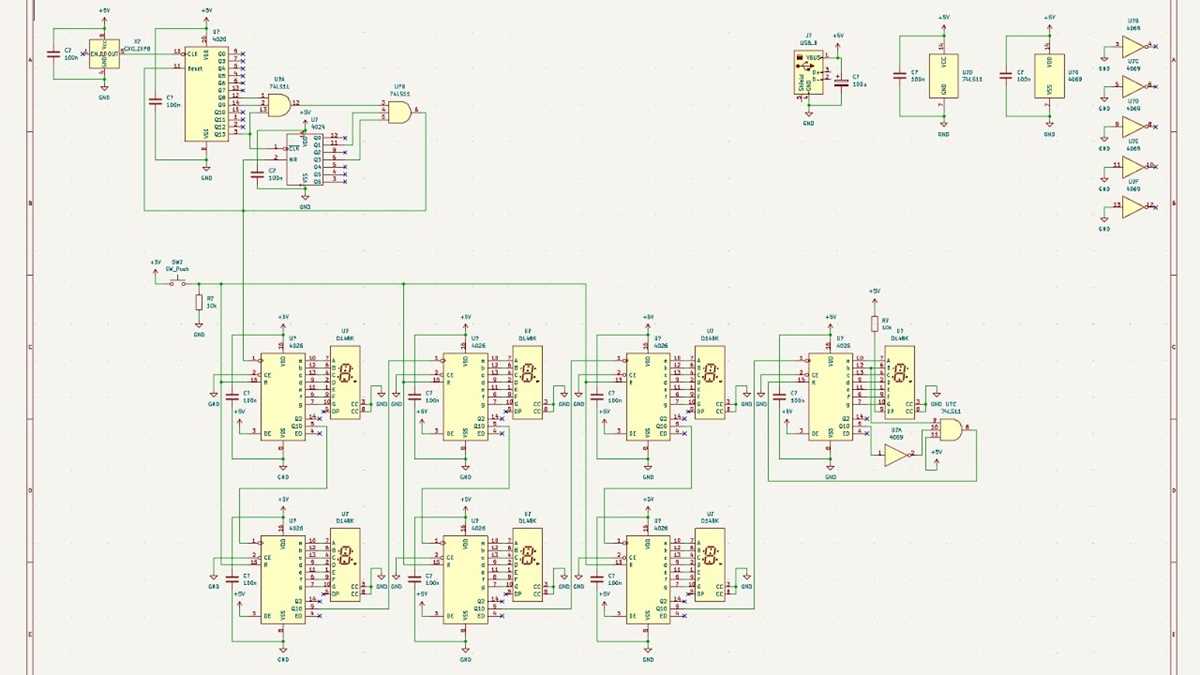
Start by choosing the right tool for creating your electrical layouts. A good application allows you to drag and drop components like resistors, capacitors, and switches to create your schematic with ease. Always make sure the tool supports industry standards and has a wide range of symbols for various components.
Once you’ve selected a tool, begin by adding the power supply and grounding elements. These are the foundation of any circuit, and correctly placing them ensures your design functions as intended. Connect components using the appropriate lines to indicate electrical flow, paying attention to the correct orientation of polarized components like diodes and capacitors.
As you design, double-check the connections for any potential errors. Many design programs offer error-checking features that can identify issues such as floating nodes or open circuits. Take advantage of these tools to streamline your process and ensure that the final schematic will be functional and safe for implementation.
After completing the schematic, test it virtually if your tool supports simulation. This step helps identify any functional flaws before you build the physical version. If no issues arise during the test, you can move on to generating the final version of your drawing for sharing or fabrication.
Circuit Diagram Designer
To begin, choose a tool that offers a large selection of electrical components. Ensure the program supports standard symbols and allows customization. A versatile tool helps you design systems that fit both industry requirements and personal preferences.
When setting up the layout, always place the power source and ground connections first. These elements provide the foundation for the rest of the design. Without these basic connections, the design may not function correctly when built.
Building the Layout
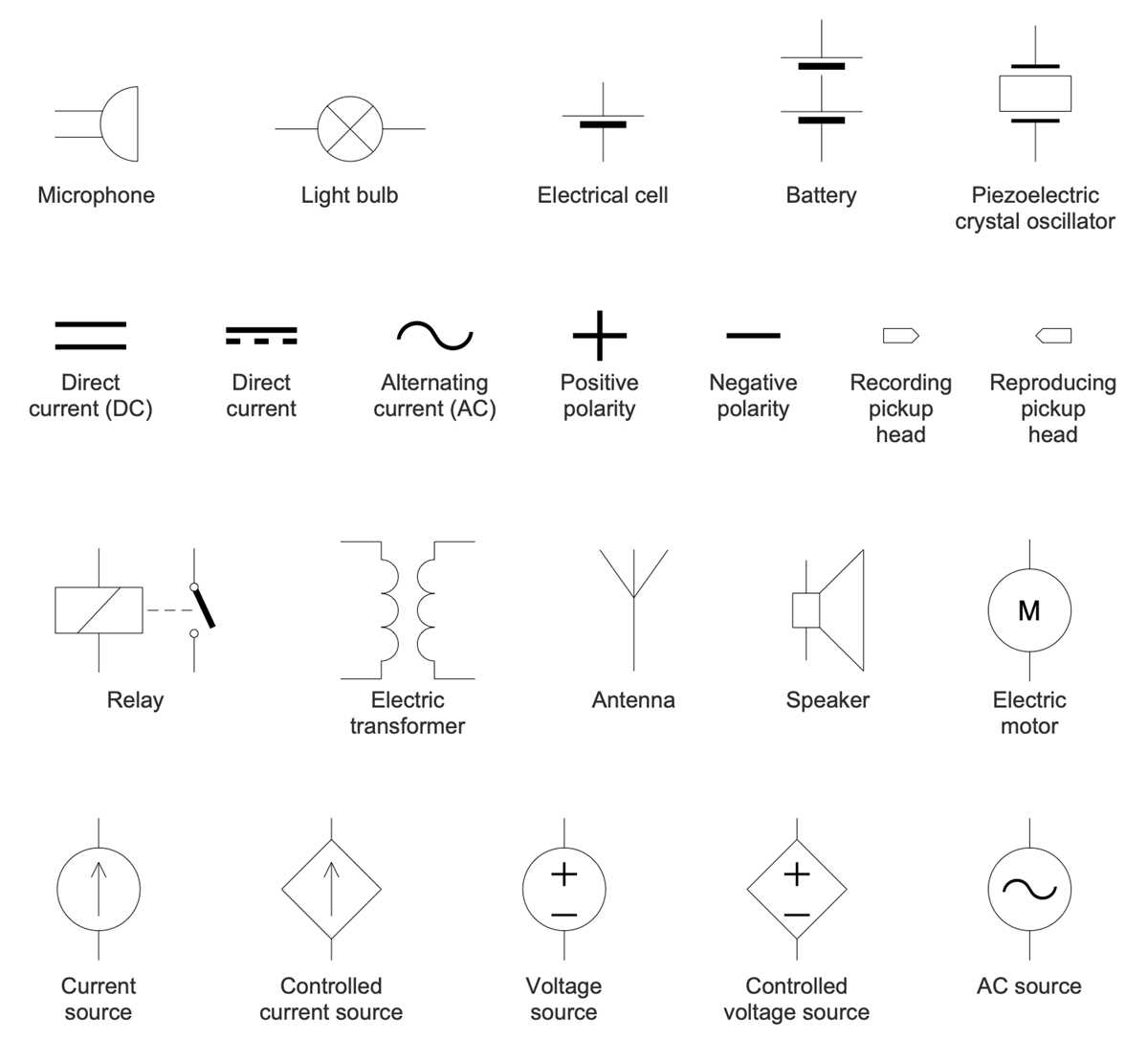
Start with simple components like resistors, capacitors, and switches. Connect them by drawing lines that represent the electrical paths. Pay attention to the direction of current flow, especially for polarized components such as diodes and electrolytic capacitors.
- Ensure the power flow is consistent across the design.
- Use clear labeling for each component to avoid confusion during assembly.
- Verify component values are correct for the system you’re designing.
Before finalizing your work, run a simulation if your tool supports it. This step can highlight any errors in your design, such as open circuits or short circuits. Running a test will help catch problems early and save time during construction.
Finalizing the Design
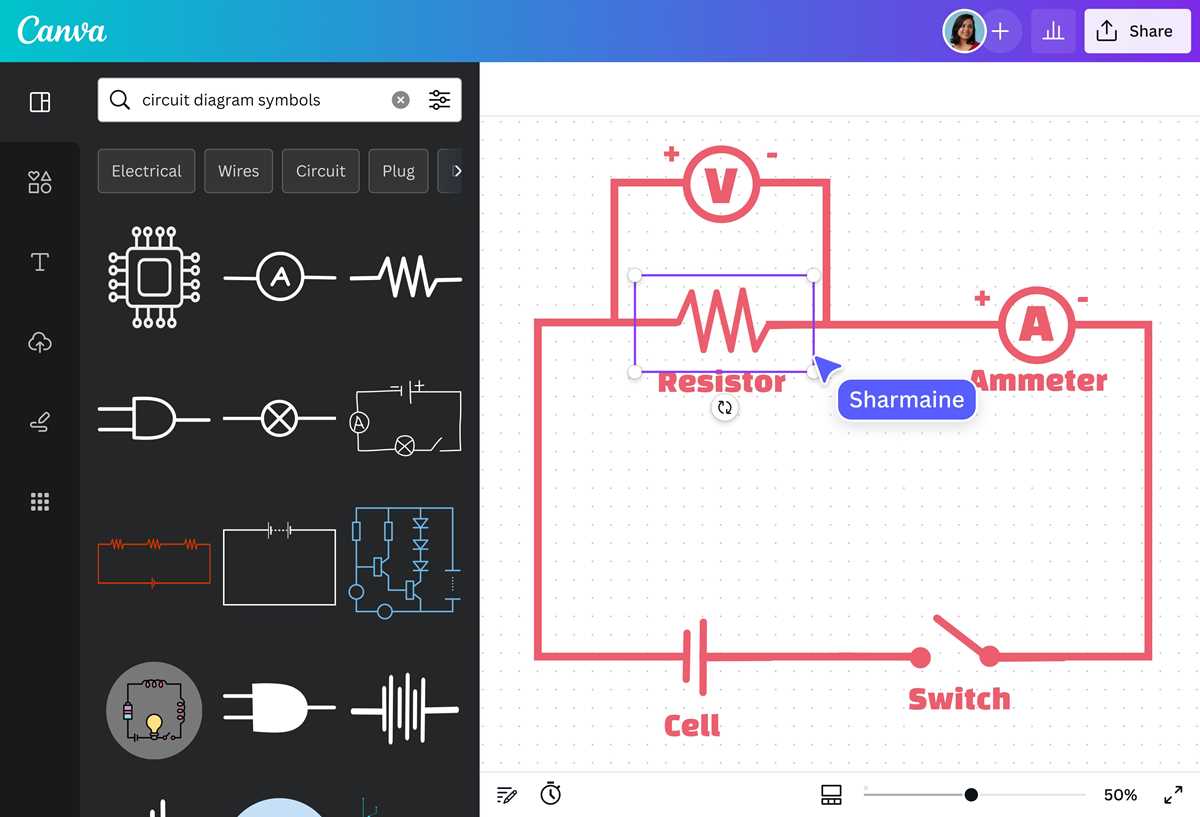
Once the design passes the simulation, organize the layout neatly. Ensure that all connections are clearly represented and components are spaced properly. This will make the final schematic easier to read and understand for others working with your design.
How to Use a Circuit Diagram Designer Tool for Beginners
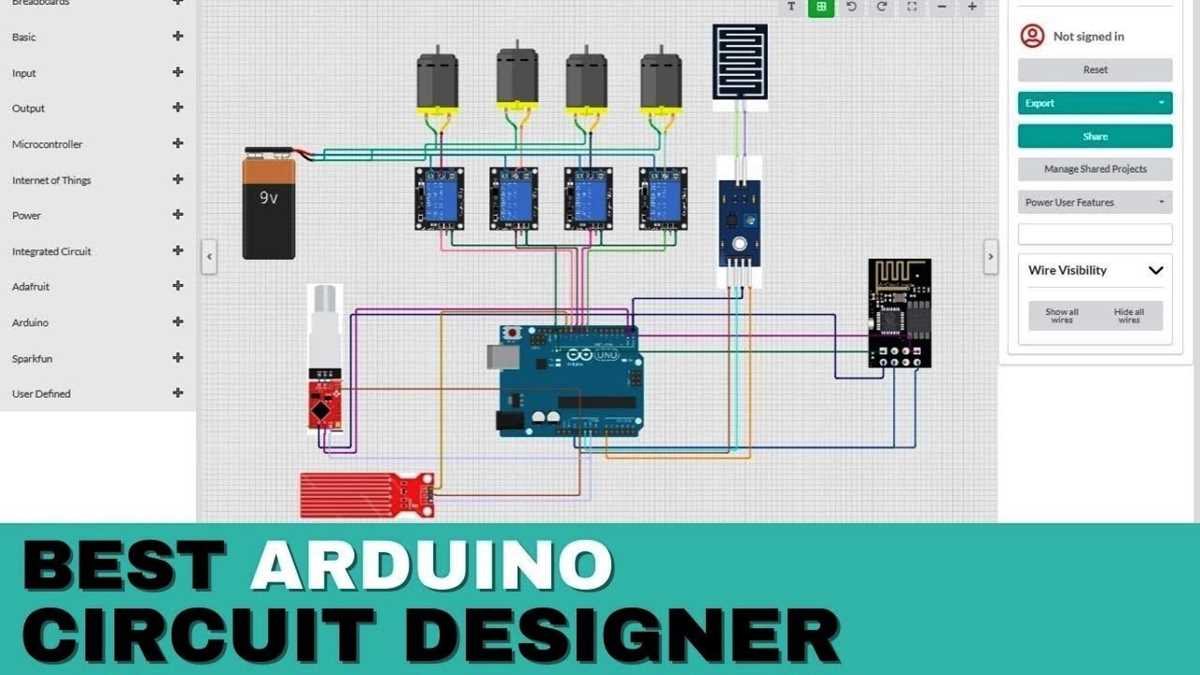
Start by selecting a simple, user-friendly application. Choose one that provides an easy-to-navigate interface and a library of basic components like resistors, capacitors, and switches. This will help you avoid overwhelming complexity when first learning the tool.
Building Your First Layout
Drag and drop components from the library into the workspace. Begin by placing the power supply and ground. These elements act as the foundation for your design. Once these are in place, connect other components using lines to represent electrical connections, paying attention to the proper orientation for polarized parts.
After connecting the basic components, review the layout for any obvious errors. Many tools have built-in error-checking features, so take advantage of this to catch common issues like unconnected components or short circuits before testing your design.