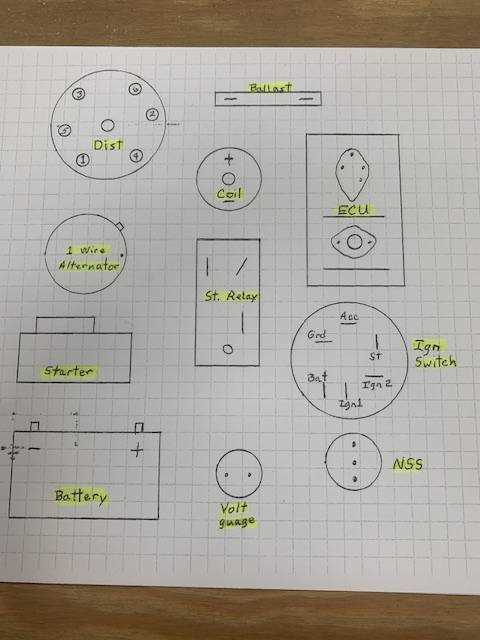
Follow color-coded paths to match power sources with spark distributors and coil units. Correct alignment prevents misfires and ensures stable engine starts.
Label each terminal and connector with its function and voltage rating. This simplifies testing points and allows precise adjustments without guessing connections.
Keep high-current lines separate from sensor and control leads to reduce interference. Routing paths along chassis edges or insulated channels maintains signal integrity.
Include protective devices such as fuses and relays in the schematic. Marking their positions and amperage ensures overloads are contained and prevents damage to coils or modules.
Update layouts after modifications like adding tachometers, aftermarket modules, or upgraded coils. Keeping a current reference helps identify faults quickly and reduces troubleshooting time.
Classic Vehicle Ignition Layout and Connections
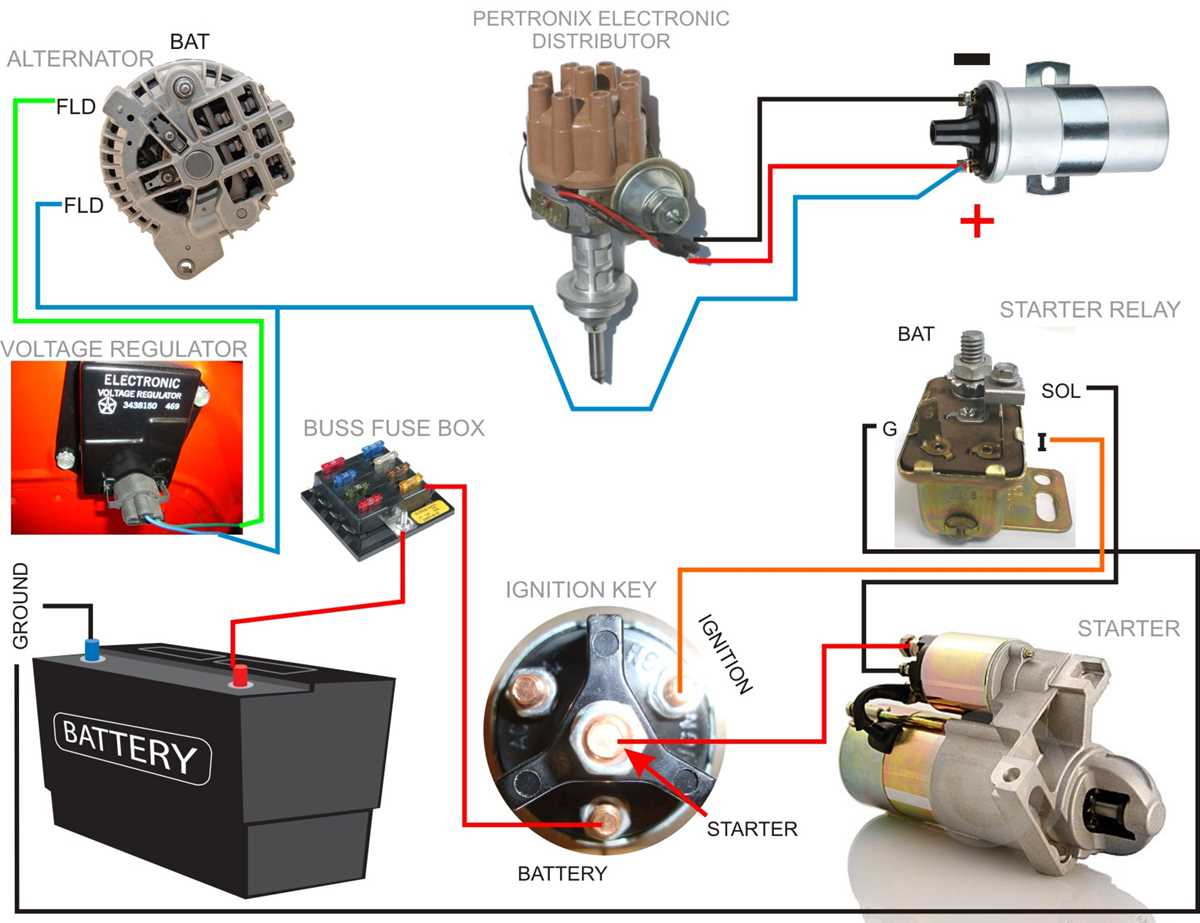
Follow a structured approach to connect coils, distributors, and spark plugs by tracing each lead from the power source. Use color codes for high-voltage and control lines to prevent misalignment.
Document each terminal and connector with function and voltage range. Labeling points like positive coil input, ballast resistor, and module ground simplifies testing and reduces errors during adjustments.
Separate sensor and control leads from main power paths to avoid interference. Route delicate wires along chassis edges or through insulated channels, keeping them away from heat and moving parts.
Include protective elements in the layout:
- Inline fuses rated for 10–20 amps depending on coil specifications
- Relays for high-current lines controlling ignition modules
- Ground points close to distributors and control units
Verify continuity at all connection points before powering the system. Use a multimeter to check resistance between the coil and distributor terminals, ensuring no shorts or open circuits exist.
Plan for upgrades or aftermarket modules by leaving labeled taps for tachometers, performance chips, or electronic control units. This avoids cutting or splicing into critical paths later.
Maintain an updated reference schematic with clear markers for:
- Coil and distributor positions
- Relay and fuse ratings
- Sensor and switch connections
- Ground points and chassis bonds
Keeping this record improves troubleshooting speed and ensures consistent performance of the engine starting system.
Identifying Ignition Components and Their Connections
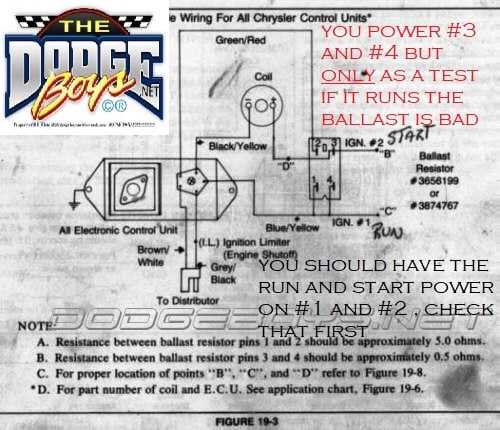
Label all coil terminals and distributor contacts according to polarity and function. Positive and negative leads must match the module input and output points to ensure proper spark timing.
Trace control lines from the switch to the coil and distributor to confirm correct routing. Avoid crossing signal paths with high-current leads to prevent interference and erratic firing.
Key Components and Their Roles
Coil units convert low voltage into high voltage for spark plugs. Check resistance and continuity across windings to verify proper function before installation.
Distributors direct high-voltage pulses to each cylinder in sequence. Ensure rotor alignment and cap terminals correspond to the cylinder firing order.
Connections and Protective Elements
Relays, fuses, and grounding points must be clearly identified on the schematic. Specify amperage and physical locations to protect coils, modules, and sensors from overload.
Include taps for monitoring devices such as tachometers or performance modules. Documenting these points prevents accidental disconnections and allows quick access for testing or modifications.