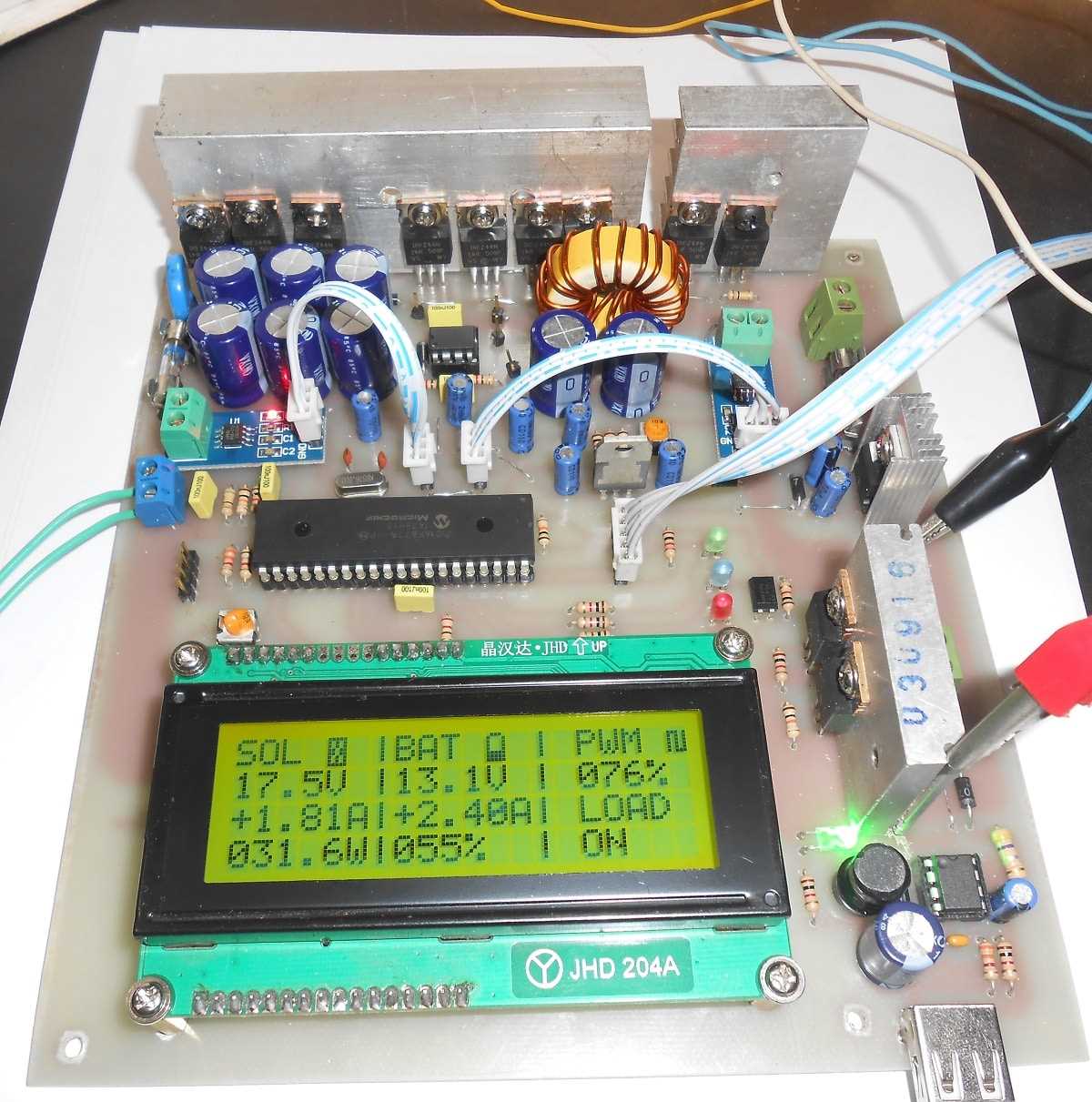
The key to optimizing renewable energy systems lies in how efficiently you can harness and store the generated power. For those looking to improve their setup, utilizing a microcontroller-based system that automatically adjusts the power flow is a cost-effective and practical solution. By integrating a microcontroller with a proper energy regulation mechanism, you can maximize the performance of your energy sources, even in fluctuating environmental conditions.
To get started, it’s important to understand how to build a system that can adjust the input power to match the storage capacity. You will need to wire up a mechanism that adjusts voltage and current, ensuring no energy is wasted and the power delivered is within the required parameters. A step-by-step approach, starting from understanding the basic components and their functions to wiring and troubleshooting, will help in creating a robust system.
Through this guide, you will learn how to wire components, select suitable sensors, and implement control logic using a microcontroller. Whether you’re building this for a small-scale application or a larger setup, each step will provide you with clear insights and actionable recommendations. Ensuring accurate connections and understanding how to troubleshoot potential issues is vital to guarantee long-term system efficiency.
Building an Efficient Power Regulation System with a Microcontroller
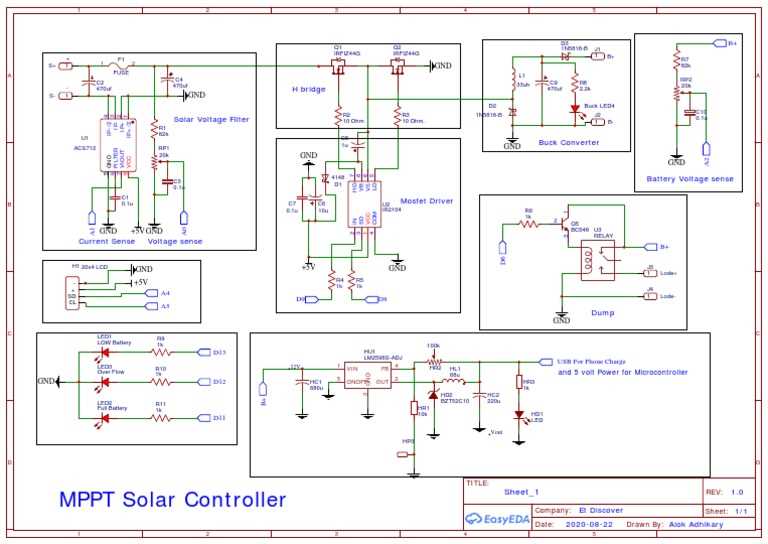
To construct an energy management system that automatically adjusts the power flow to your batteries, you’ll first need a microcontroller to act as the brain of the operation. Start by selecting a microcontroller that supports voltage and current sensing, such as an open-source platform that can easily interface with sensors. The main task of this setup is to ensure that the power input remains within safe limits for storage while maximizing the energy captured from the source.
Next, connect the voltage and current sensors to the microcontroller’s input pins. These sensors will monitor the input voltage from your energy source and the output voltage to the storage units. The microcontroller will then process this data, ensuring that the energy is transferred optimally. A voltage reference is often used to calibrate the system and maintain a steady supply of energy.
The next step is wiring the system’s power switches. Using MOSFETs or similar components for switching can ensure that the power is managed effectively. Ensure the switches are rated for the expected voltage and current ranges, as poor quality switches can lead to overheating or power loss. Proper heat dissipation is also vital, so ensure there’s adequate cooling around the components to prevent failure.
After wiring the basic components, implement the logic in the microcontroller’s code to control the switching process based on sensor feedback. The software will need to read the input voltage, compare it with the desired threshold, and adjust the power flow accordingly. Be sure to include safety features like over-voltage and under-voltage protection to prevent damage to your system. Testing the system incrementally will help in identifying and fixing any issues early.
Finally, once your system is wired and the software is in place, it’s time to perform extensive testing. Monitor the performance over several charge and discharge cycles to ensure everything is functioning correctly. Make adjustments to the code or hardware as needed to optimize efficiency and reliability. Troubleshooting with a multimeter and adjusting the software for better control of the energy flow can further improve performance.
Understanding the Components Needed for Arduino MPPT System
The first component you’ll need for an effective energy management system is a reliable microcontroller that can handle sensor data processing. Select a platform capable of managing multiple input/output pins and supporting a variety of sensors. This unit will be responsible for collecting data on input voltage and current from the power source, which it will then process to adjust energy flow appropriately. It’s crucial to choose a model that can handle the required computational tasks without lag or overload.
Voltage and current sensors are key components for monitoring energy levels. A precise sensor, such as the INA219, can be connected to the microcontroller to track both the input and output power parameters. This data is then used to calculate the optimal power point. Accuracy in measuring these parameters is critical for the system’s effectiveness, so opt for high-quality sensors that minimize errors in real-time data acquisition.
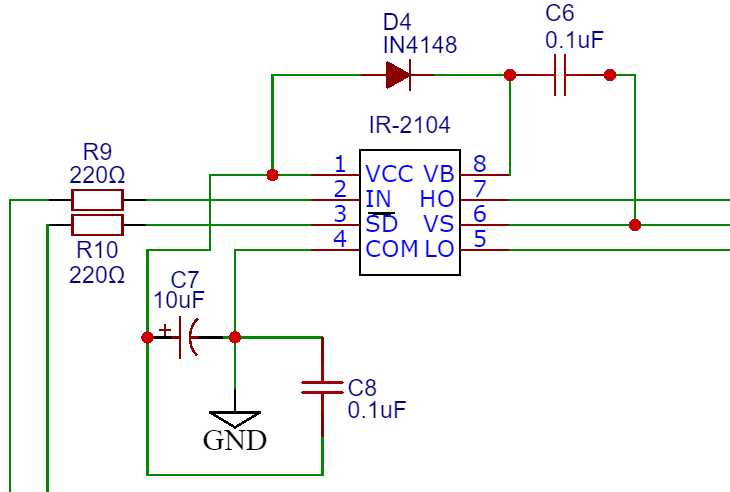
Switching devices such as MOSFETs (Metal-Oxide-Semiconductor Field-Effect Transistors) are needed to regulate the energy flow. These components act as the on/off switches between the power source and the storage system. Ensure that you select MOSFETs with the appropriate voltage and current rating for your application. They should also be capable of switching quickly to avoid any delays or power inefficiencies.
To monitor and control the operation, you’ll need a display module or an indicator system. This component will allow you to observe voltage levels, charging status, and system performance in real-time. Simple LCD or OLED screens can be used for basic readings, while more complex setups may include touchscreens with a graphical user interface (GUI) to interact with and modify settings.
For power conversion, a high-efficiency buck or boost converter will be necessary depending on the voltage levels from the power source. These converters step the voltage up or down to match the desired input for the storage medium. Efficiency in this process is crucial to ensure that as much energy as possible is transferred without significant loss, so choose high-performance converters that meet the specific voltage requirements.
Finally, don’t overlook the importance of proper wiring and protection components. Use thick, insulated wires to handle the high current without excessive voltage drops. Additionally, protection features such as fuses, diodes, and heat sinks will help safeguard the system against overheating or overvoltage, ensuring the longevity and reliability of your setup. Proper installation of these components will reduce the risk of failures and enhance the overall system stability.