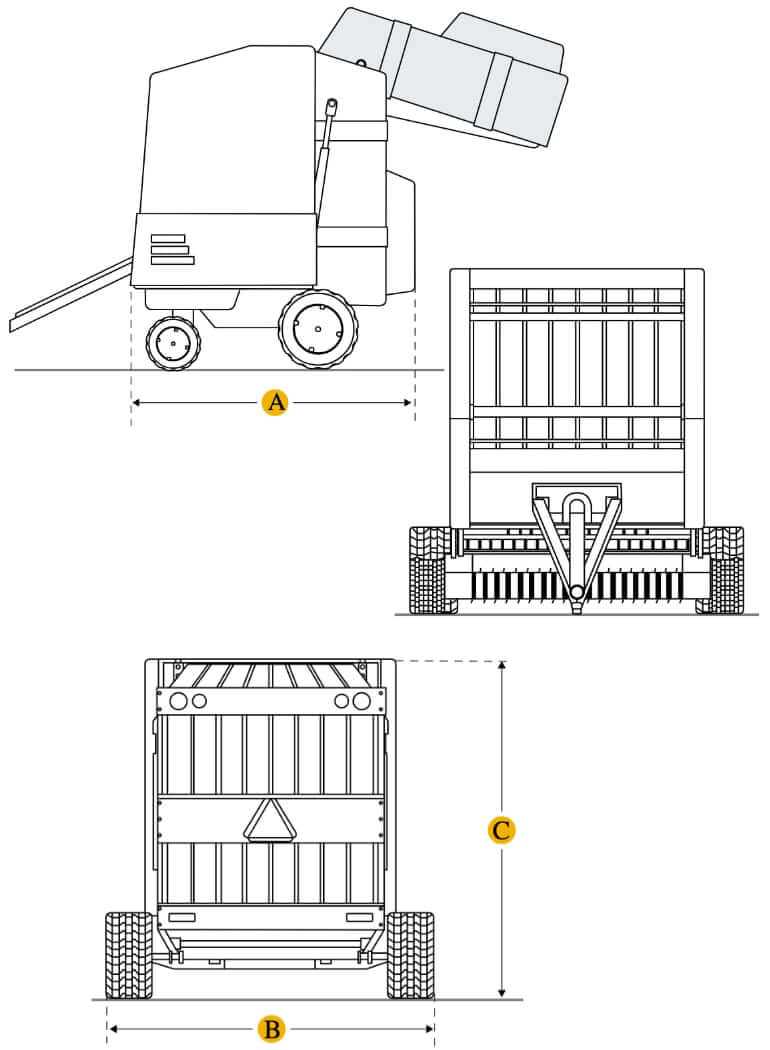
When handling machinery maintenance, understanding the assembly of the key mechanical components is fundamental. Start by identifying the main sections of the machine. The drive system, which powers all actions, plays a critical role in how the device functions. Pay close attention to the alignment of moving parts such as pulleys and belts, which should be regularly checked for wear or misalignment to prevent operational failure.
Ensure all the gears and shafts are well-lubricated and inspect them for signs of rust or breakage. These parts experience a lot of stress and need to be maintained for the machine to function at peak efficiency. Verify that the locking mechanisms, which secure the main elements during operation, are working correctly. These should be checked after every use to ensure no part becomes loose or detaches during work.
Next, look at the hydraulic system. Any signs of leaking or inconsistent pressure in the system can lead to severe malfunctions. It’s crucial to check the hoses, seals, and the reservoir regularly. Finally, ensure the safety features, such as emergency stop buttons and shields, are intact and functional. These are vital for both operational safety and reducing downtime in the field.
Key Mechanical Components Breakdown
The primary drive system includes the main gearbox and the pulley setup, which must be properly aligned and lubricated. Inspect these components for any signs of wear, especially on the drive belts, as they are subject to high stress during operation.
Next, check the chain assembly that operates the compacting mechanism. Any wear or looseness in the chains can cause a significant drop in performance. Keep the chains tightened and well-oiled to maintain optimal functionality.
The hydraulic system, which controls various functions such as lifting and positioning, requires regular inspection for leaks. Examine the hoses, seals, and valves carefully for any signs of wear or damage, as hydraulic fluid leaks can cause severe malfunctions and system failure.
It is also important to inspect the cutting blades and other sharp components that are critical to the machinery’s cutting and processing efficiency. Ensure that these components are sharp and free from corrosion or excessive wear, as they impact the overall performance and output.
Finally, check all safety and locking mechanisms that keep the equipment secure during use. Make sure that the safety shields are intact and that emergency stops function properly. These components are vital for both safety and efficient machine operation.
Identifying Key Components in the Machine
Begin by inspecting the main drive shaft and gearbox assembly. These components are responsible for transmitting power to various systems within the unit. Any misalignment or wear here can affect performance and operational efficiency. Ensure that all connections are secure and free from damage.
The next important area is the hydraulic system. Check the pumps, cylinders, and hoses for leaks or damage. Hydraulics play a critical role in various functions, from lifting the compression chamber to actuating the gate mechanism. A small issue in the hydraulic system can lead to significant operational problems.
Examine the pickup mechanism, including the tines and the reel. These parts are crucial for gathering the material and feeding it into the processing chamber. Ensure that tines are straight and undamaged, and check the reel for proper rotation. Any obstruction or misalignment can disrupt the feeding process.
Inspect the knotter system thoroughly. This assembly secures the collected material into bales. Any malfunction here can prevent proper baling or cause jamming. Look for signs of wear on the knotter knives and check that the tying system is functioning smoothly.
Finally, ensure that the tailgate, sensors, and safety mechanisms are in proper working order. The tailgate plays a vital role in bale formation, and faulty sensors can prevent the unit from performing as expected. Regular checks on safety devices are critical for preventing accidents during operation.
How to Use the Component Layout for Routine Maintenance
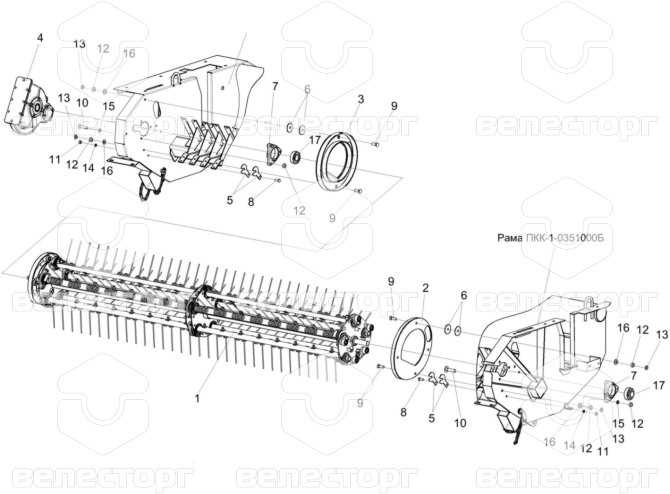
Start with the drive system. Reference the layout to identify the main shaft, bearings, and gears. Regularly check these components for wear or damage. Ensure that they are properly lubricated to avoid friction and overheating.
Move on to the hydraulic components. Use the layout to locate the hydraulic pumps, cylinders, and hoses. Inspect these parts for any signs of leaks or cracks. Keep hydraulic fluid levels in check and replace filters as recommended by the manufacturer.
For the feeding mechanism, examine the reel and tines. The layout will help you locate these parts quickly. Check that the tines are not bent or damaged and confirm that the reel turns freely without obstruction. Clean these areas regularly to ensure smooth operation.
Refer to the knotter assembly layout for the correct placement of knots and needles. Inspect the knotter regularly to prevent jams. Ensure the knotter knives are sharp and free from wear. Keep this system clean and properly aligned to ensure reliable operation.
Lastly, consult the tailgate and sensor layouts. Verify that the tailgate opens and closes smoothly. Check the sensors for proper alignment and functionality. A malfunctioning tailgate or sensor can lead to inefficient baling or failure to detect issues during operation.
Common Issues and Repair Solutions for the John Deere 568 Baler
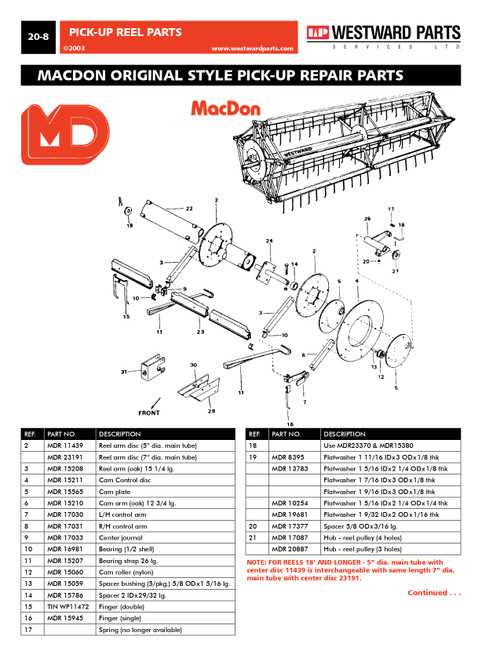
One common problem is the frequent clogging of the feeding mechanism. If the material does not feed smoothly, check the rollers and the intake area for debris. Clean the area thoroughly and adjust the tension on the rollers to ensure proper flow. If the issue persists, inspect the drive chains for wear and replace them if necessary.
Another issue is the failure of the knotter system. This often results in missed or broken knots. Inspect the knotter knives for dullness and ensure they are aligned correctly. If the knives are worn out, replace them with new ones. Also, examine the string tension and adjust it as needed to ensure the knots are secure.
Hydraulic system failures are also common. If you notice low pressure or unresponsive movement in the tailgate or other hydraulic components, check the fluid levels and inspect the hoses for leaks or blockages. Replace any damaged hoses and ensure the hydraulic filter is clean. If fluid levels are fine and there are still issues, consider checking the hydraulic pump for faults.
Another area to watch is the drive mechanism. If there is excessive noise or the unit seems to be underperforming, inspect the gearbox and bearings for wear. Lubricate all moving parts regularly to reduce friction and prevent premature failure. If the problem continues, the bearings may need to be replaced.
Lastly, sensor malfunctions can lead to operational failures. If the machine does not detect when it’s full or has trouble with bale formation, check the sensor alignment and connections. Ensure they are clean and functioning. If a sensor is damaged, replace it with a new one to restore functionality.