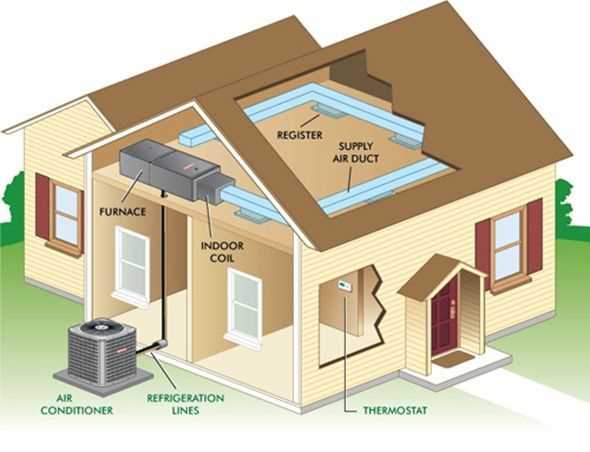
If you’re experiencing issues with your cooling system, it’s crucial to first identify the main components responsible for its operation. Begin by checking the compressor, which is often the heart of the system. A faulty compressor can lead to the entire unit failing to cool effectively.
Next, inspect the condenser coils. These are responsible for releasing the heat absorbed by the system. If these coils become dirty or blocked, the efficiency of the system decreases, causing the temperature inside to rise. Regular cleaning of the condenser coils is key to maintaining optimal performance.
Another component to examine is the evaporator coil, which absorbs heat from inside the building. Over time, the coil can freeze, especially if the airflow is obstructed. Make sure the air filter is clear to ensure proper air circulation and prevent issues like frozen coils.
Lastly, ensure that the blower motor is functioning correctly. This component circulates the air through the system, and if it’s malfunctioning, you may notice reduced airflow or inconsistent cooling throughout your home. Regular maintenance and timely repairs can extend the life of your system and improve its overall efficiency.
Cooling System Breakdown
The heart of a cooling system is the compressor. It pumps refrigerant through the system, transforming it from a gas to a liquid, and vice versa, allowing the cooling process to take place. If your system isn’t cooling properly, a malfunctioning compressor could be the issue.
The condenser coils are another critical component. Located outside, these coils dissipate heat from the refrigerant. Blockages or dirt buildup can prevent proper heat release, reducing system performance and increasing energy usage. Cleaning the coils regularly ensures they remain effective.
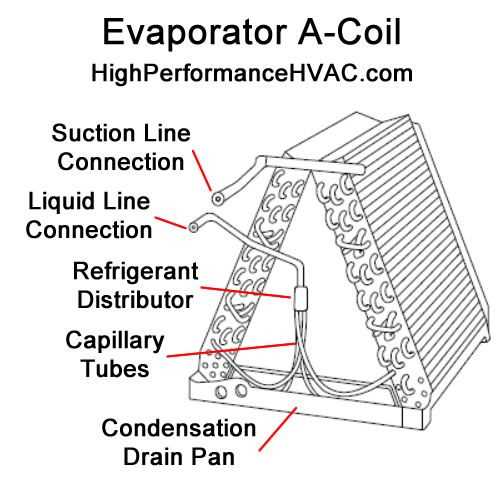
The evaporator coil absorbs heat from the indoor air. If the coil is frozen, airflow will be blocked, and the system won’t cool as expected. Regularly check for airflow obstructions and maintain a clean filter to prevent this issue.
The blower motor circulates air throughout the home, ensuring the cooled air reaches every room. If this motor is not working properly, you may notice uneven temperature distribution or low airflow. Ensure the motor is clean and well-lubricated to keep it running smoothly.
Finally, the thermostat controls the temperature by regulating the operation of the system. An inaccurate thermostat can lead to inefficient cooling or frequent cycling on and off. Calibrate or replace the thermostat if needed to maintain consistent temperature control.
How to Identify and Replace Common Components in Your Cooling System
If your system isn’t operating correctly, start by checking the thermostat. An inaccurate reading may cause the system to malfunction. If it doesn’t regulate temperature properly, replace it with a new unit. Ensure that the new thermostat is compatible with your system.
The compressor is another common failure point. If the unit is making loud noises or doesn’t turn on, it may be damaged. Disconnect the power and inspect the compressor for any obvious issues like leaks or burn marks. If the compressor is beyond repair, replacement is necessary. Make sure to use a compatible compressor model.
If airflow is weak, the blower motor could be at fault. Check for loose connections or worn-out components. If the motor is faulty, replacing it involves disconnecting power, removing the old motor, and installing a new one. Clean the fan blades to prevent any debris from obstructing airflow.
The condenser coil can get clogged with dirt, reducing its ability to expel heat. To identify this issue, inspect the coils for dirt or debris. If they appear dirty, clean them with a soft brush and coil cleaner. In severe cases, if the coils are bent or damaged, they may need to be replaced entirely.
Lastly, inspect the evaporator coil for ice buildup. If ice has formed, this indicates poor airflow or low refrigerant. Fixing the airflow issue, cleaning the filter, and adding refrigerant should resolve the problem. If the coil itself is damaged, you may need to replace it to restore optimal performance.
Step-by-Step Guide to Troubleshooting Issues with Cooling Units
Start by checking the power supply. Ensure that the system is properly plugged in and the circuit breaker hasn’t tripped. If the system still isn’t turning on, inspect the fuse and power switch. If damaged, replace them accordingly.
Next, inspect the thermostat settings. If the temperature is set incorrectly, adjust it to your desired level. If the system fails to respond to the thermostat, it may be malfunctioning and require replacement. Check the wiring for any loose connections.
If you notice inadequate cooling, the issue may be with the air filter. A clogged filter restricts airflow and can lead to poor performance. Replace or clean the filter, especially if it’s dirty or covered in dust. This simple step often resolves cooling issues.
Next, verify the condition of the refrigerant. Low refrigerant levels can prevent the system from cooling effectively. Check for any visible leaks around the refrigerant lines. If leaks are detected, call a professional to repair the leaks and recharge the system.
If the system is making unusual noises, such as rattling or grinding, check the fan and blower motor. Loose parts or debris can cause the motor to malfunction. Clean the fan blades and check for any obstructions. If necessary, lubricate the motor or replace it if damaged.
Finally, inspect the condenser coil for dirt or debris. A dirty coil reduces the system’s ability to release heat. Clean the coil using a brush or coil cleaner, and ensure there are no blockages. If the coil is bent or severely damaged, it may need to be replaced.