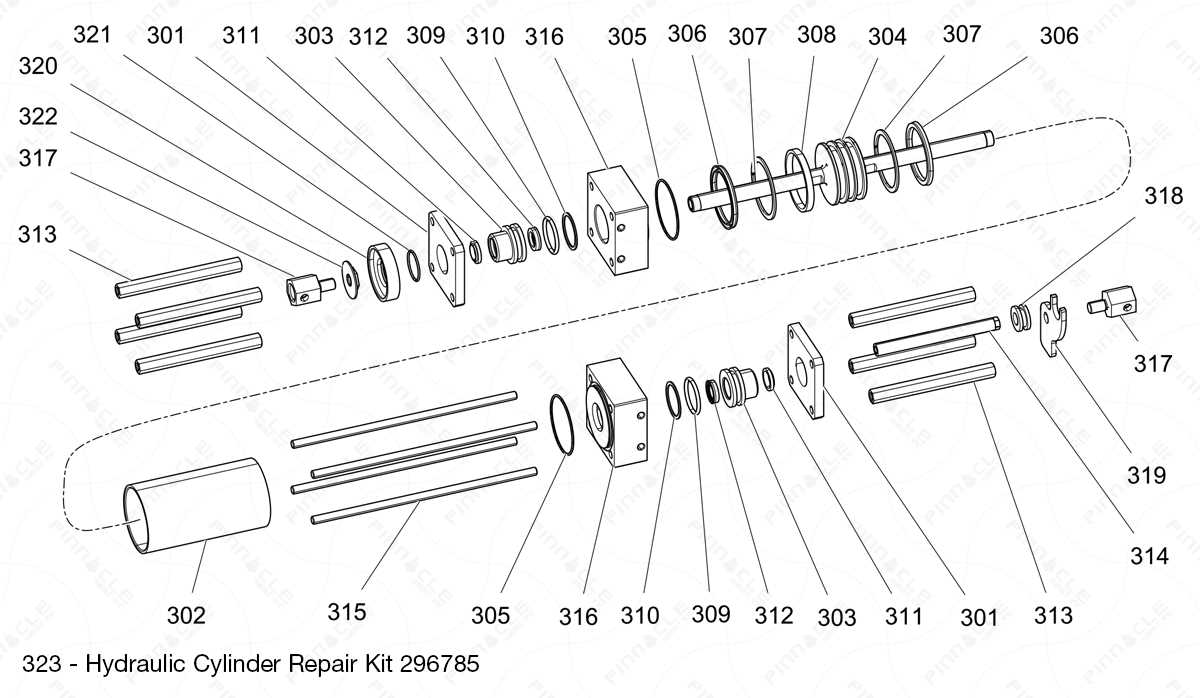
To keep your system running smoothly, it’s important to first understand the different elements that make up the linear actuators. These mechanical systems rely on precise alignment and functionality of their key components. Familiarity with each part allows for better maintenance and faster identification of issues.
The first step is knowing how the piston, seals, rods, and barrel interact within the assembly. A thorough understanding of their roles will make it easier to diagnose performance issues, whether the actuator is underperforming or leaking. If you notice a drop in pressure or inconsistent movement, pinpointing the exact faulty part becomes much simpler when you have a clear grasp of the components involved.
Maintenance is also easier when you can clearly identify the elements that require attention. Regular inspection of the seals and fluid reservoir can prevent major breakdowns. Knowing which part to inspect and replace in case of wear will save time and reduce repair costs in the long term. When parts need to be replaced, following step-by-step guides ensures that alignment remains intact, and the system works as intended.
Hydraulic Cylinder Components Breakdown and Maintenance
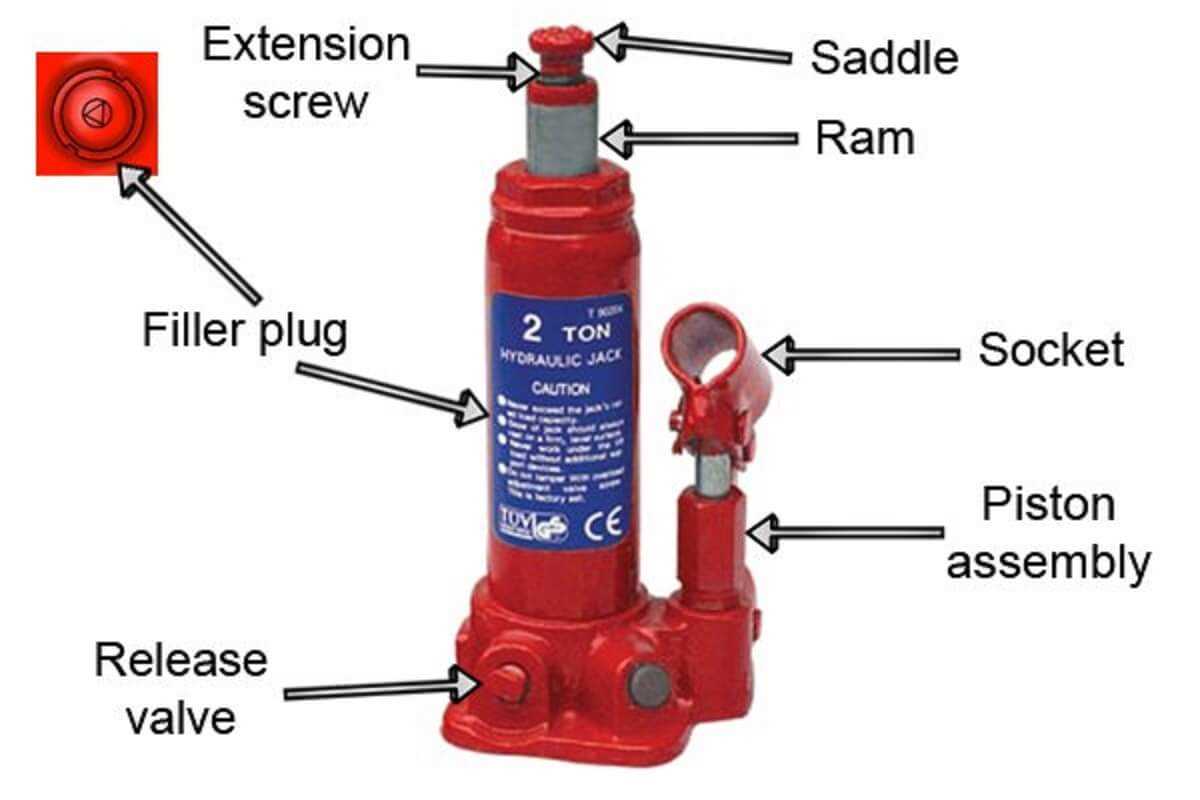
Begin by regularly inspecting the primary components such as the piston, rod, and seals. These parts are most prone to wear and should be checked for damage or deterioration during routine maintenance. Pay particular attention to the seals as they prevent fluid leakage and maintain pressure within the system.
For an effective service routine, ensure that the piston moves freely within the barrel. If the piston or rod shows any signs of scoring or wear, they should be replaced immediately. Inspecting the barrel for cracks or deep grooves is also critical to maintaining optimal performance.
To prevent fluid contamination, regularly clean and replace the fluid in the reservoir. Contaminants can damage seals and other internal components, leading to inefficiency. Be sure to use the recommended fluid type and follow the manufacturer’s instructions for fluid levels and replacements.
If you notice irregularities in operation, such as jerky movement or a lack of pressure, perform a thorough inspection of each part. This will help isolate the specific part causing the malfunction, ensuring quicker repairs and less downtime for the equipment.
Identifying Common Components and Their Functions
The rod is one of the primary components and serves to transfer mechanical force from the inner assembly to the external load. This part is designed to withstand the pressure exerted during extension and retraction, ensuring smooth operation and minimal wear.
The piston, a critical internal element, divides the chamber into two sections, allowing for controlled movement. It facilitates the conversion of fluid pressure into mechanical force, driving the system’s performance. Regular checks are necessary to ensure there are no signs of damage or fluid leakage around the piston.
Seals are another key component, preventing the escape of fluid and protecting internal mechanisms from contaminants. These should be replaced if worn or damaged to avoid issues like pressure loss or leaks, which could lead to system failure.
The barrel functions as the outer casing, housing the rod and piston. It needs to remain free of cracks or damage, as structural integrity is crucial for holding the pressure within the system. A clean, undamaged barrel ensures optimal performance.
Fluid is the life force of this system, transmitting pressure and enabling movement. Always monitor fluid levels and quality, as low levels or contamination can severely affect performance and lead to premature component failure.
Step-by-Step Instructions for Replacing Damaged Components
1. Begin by safely disconnecting the system from any power or pressure sources. This ensures there is no risk of injury or further damage during repairs.
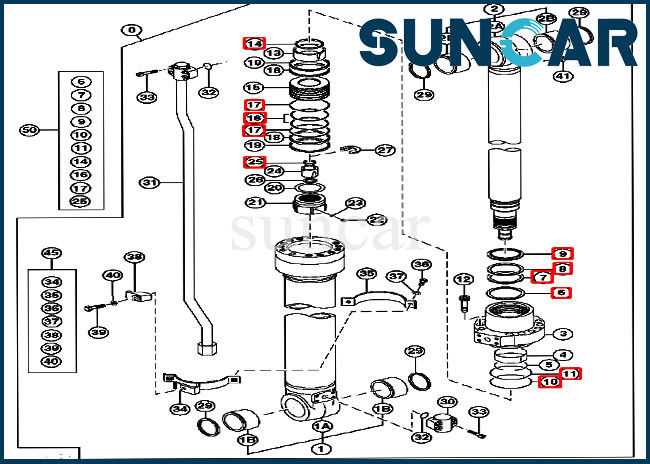
2. Use the appropriate tools to remove any securing bolts or fasteners holding the outer casing. Carefully remove the cover to expose the internal components, taking note of how each part is positioned.
3. Inspect each component for visible damage. Identify the faulty parts, paying attention to seals, the rod, and any internal assemblies that may show signs of wear, cracks, or leaks.
4. For seal replacement, use a seal removal tool to extract the old seal without damaging surrounding surfaces. Clean the area thoroughly before placing the new seal, ensuring it fits tightly and securely in place.
5. When replacing the rod or piston, carefully detach the damaged part from the internal assembly. Align the new rod or piston with the connection points, ensuring that it fits perfectly before securing it with bolts or pins.
6. Once all damaged components are replaced, reassemble the casing. Tighten all fasteners to the manufacturer’s specified torque, ensuring the system is properly sealed and securely fastened.
7. Before reapplying pressure, inspect the entire assembly for any signs of misalignment or loose components. Once satisfied, gradually restore pressure to test the functionality of the system.