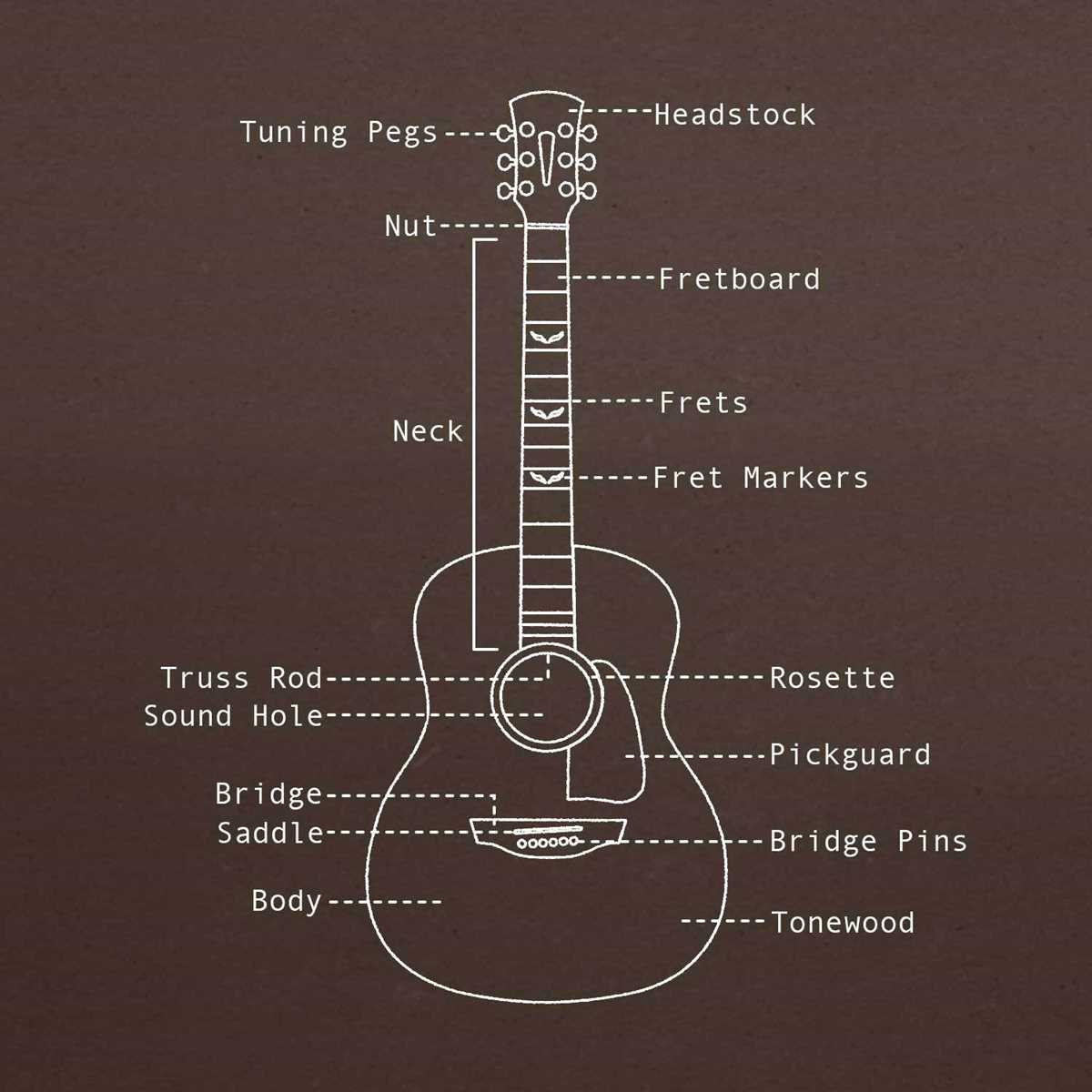
Understanding the layout of a stringed instrument is crucial for both beginners and seasoned players. Start by familiarizing yourself with the body, neck, and headstock, as these are the primary areas to inspect when tuning or repairing your instrument. The strings, pickups, bridge, and fretboard are key to the overall sound and playability.
To ensure smooth performance and extend the life of your equipment, examine the wiring, switches, and controls regularly. These components directly affect tone adjustments and volume settings, playing a critical role in shaping your sound. Familiarizing yourself with their locations and functions allows you to troubleshoot problems and make necessary adjustments with ease.
Once you gain confidence in identifying the major components, it becomes easier to understand how each part contributes to the instrument’s functionality. Whether you’re looking to modify specific elements or simply maintain your setup, understanding these sections is a valuable first step in keeping your instrument in top condition.
Parts of an Electric Guitar Diagram
The body is the core of the instrument, housing most of the components that affect its sound. The bridge, located on the body, anchors the strings and affects tuning stability. The pickups, positioned under the strings, capture the vibrations and send them to the amplifier, determining the tone.
The neck, another key area, includes the fretboard where the strings are pressed down to produce different notes. Frets, embedded into the neck, help players achieve accurate pitch. The headstock, located at the end of the neck, holds the tuning machines that allow fine adjustments to string tension.
Understanding the layout and function of these components allows players to maintain and repair their setup effectively. For instance, knowing how the wiring and controls are connected helps when troubleshooting electrical issues or making upgrades. By regularly checking each part, you ensure optimal performance and avoid common problems like buzzing or poor sound quality.
Identifying Key Components of an Electric Guitar for Beginners
The neck is one of the most important elements for beginners to understand. It holds the fretboard where you press down the strings. Recognizing where the frets are located allows you to produce different pitches as you move your fingers along the neck.
The bridge plays a key role in string tension and sound. This part anchors the strings to the body, impacting both tuning stability and tone. Beginners should be familiar with adjusting the bridge for better playability or fine-tuning string height.
Pickups, positioned beneath the strings, are responsible for capturing string vibrations and converting them into electrical signals. Each pickup has a significant impact on the overall tone, whether it’s clean or distorted. Knowing how to switch between pickups helps you experiment with different sound qualities.
The controls located on the body allow you to adjust the volume and tone. These knobs enable you to modify the sound according to your preference. Understanding the layout of these controls ensures you can easily make adjustments without confusion during practice or performance.
How to Properly Maintain and Replace Electric Guitar Parts
Regular cleaning of the neck and fretboard ensures smooth playing and prevents buildup of dirt that could affect performance. Use a soft cloth to wipe down the fretboard after each use and apply fretboard oil to maintain its condition.
Strings should be replaced frequently to maintain tuning stability and sound quality. Check for rust, wear, or breakage, and replace them as needed. When replacing strings, make sure they are stretched properly to reduce tuning issues.
The bridge requires periodic adjustments to maintain proper action and intonation. Use the screws on the bridge to adjust the string height and make sure the saddles are aligned. A poorly set bridge can lead to tuning problems and uneven string tension.
Pickups can degrade over time, affecting tone. If you notice a drop in output or distortion in certain frequencies, it might be time to check or replace the pickups. Be cautious when handling the wiring to avoid damage during replacement.
Control knobs and switches can become loose or stop functioning correctly. If this happens, tighten any loose components or replace faulty parts. Regularly inspect the wiring to ensure there are no shorts or disconnects.