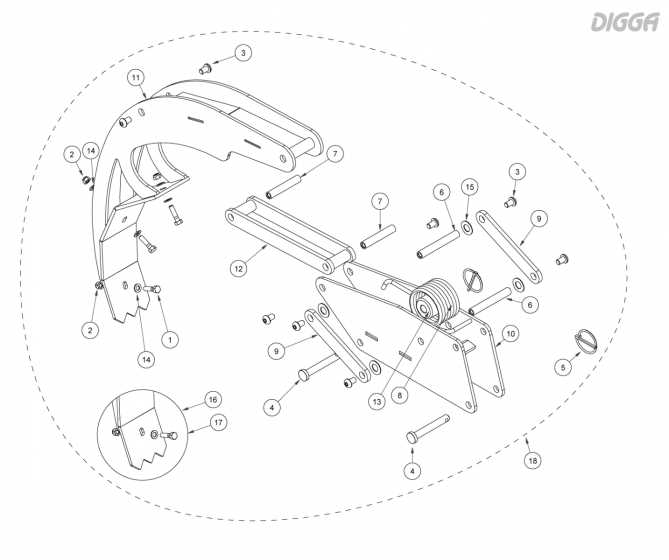
To ensure smooth operation, it’s important to regularly identify and inspect the core components of any digging machine. Knowing the specific role of each element will allow for better maintenance and quicker identification of issues. Whether you’re handling the chain, cutting wheel, or hydraulic systems, understanding how each system fits into the overall machine structure is vital for troubleshooting and efficiency.
The cutting mechanism, often referred to as the digging chain or wheel, is responsible for breaking through tough soil. This component is driven by a series of gears and a hydraulic motor, which work together to provide consistent power for deep and accurate trenching. Make sure to regularly check for wear and tear, as this directly impacts the machine’s performance.
The hydraulic system plays a crucial role in controlling various functions, including lifting and tilting the machine, as well as operating the digging wheel. Any issues with the hydraulic lines or fluid pressure can lead to reduced functionality and damage to other interconnected components.
Lastly, the frame and chassis serve as the backbone of the machine, supporting all other elements. Inspecting these for signs of wear, cracks, or misalignments ensures the integrity and safety of the equipment during operation. Make sure to regularly clean and lubricate moving parts to prevent buildup and reduce friction, which can cause unnecessary strain.
Trencher Components Breakdown and Functionality
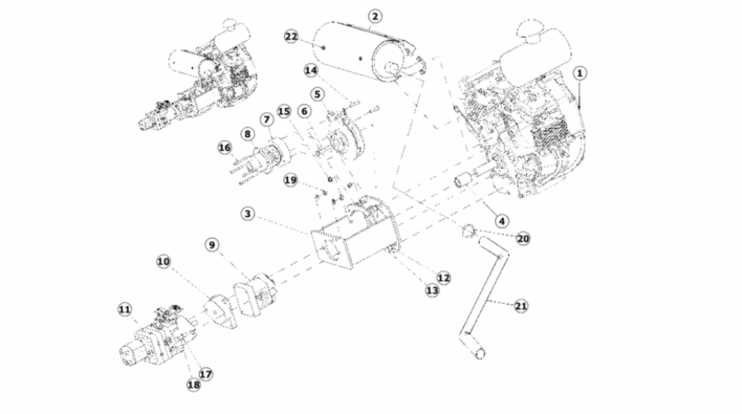
The digging chain, or digging wheel, is the heart of the machine. It is responsible for cutting through soil, allowing the machine to create precise trenches. This component works by rotating and using sharp, durable teeth that break the ground, allowing for an efficient excavation process. Regularly inspect the teeth for signs of wear or damage to avoid inefficiency during operations.
The hydraulic system controls various functions, such as the lifting and tilting of the frame, and the operation of the digging chain. Hydraulic pumps and cylinders work in tandem to provide the necessary power for these movements. Low hydraulic fluid levels or leaks can result in sluggish movement, so keep the system maintained and check for any signs of malfunction.
The frame and chassis provide structural integrity, supporting all other components. It must withstand the forces exerted during digging. Ensure that the frame is properly aligned, and that the bolts and joints are secure to avoid any instability that could affect the machine’s performance and safety.
The engine powers the entire machine and drives all hydraulic pumps and mechanical parts. Regular servicing and checking the fuel system, cooling, and exhaust systems are necessary for maintaining optimal performance. Keep the engine clean and well-lubricated to avoid overheating and mechanical failure.
The control system includes the operator’s interface, where the operator can adjust speeds, direction, and other settings. Ensure that the control levers or joysticks are functioning smoothly and that the electrical wiring is intact to avoid unexpected failures during operation.
Identifying Key Components in Trencher Models
The digging chain is one of the most important elements in any machine designed for excavation. It contains rotating teeth that grind through soil, creating trenches for utility lines or foundations. The teeth should be regularly checked for damage or excessive wear, as this can lead to decreased performance and uneven digging.
The hydraulic system controls essential functions such as the lifting mechanism and chain movement. Hydraulic cylinders and pumps provide the necessary force to lift the unit and adjust the angle of the digging mechanism. Maintaining proper fluid levels and inspecting for leaks will help ensure the system operates at full capacity.
The frame, which supports all other components, is built to withstand the substantial forces generated during operation. It is crucial to inspect the frame for signs of stress or damage, such as cracks or misalignments, as any structural weaknesses can affect performance and safety.
The engine powers all the hydraulic and mechanical components. It drives the pumps and the chain mechanism. Keeping the engine in top condition is critical for maintaining optimal machine performance. Regular oil changes, air filter replacements, and coolant level checks will help prevent overheating and mechanical failure.
The operator’s control system is where all the adjustments are made during operation. The system typically includes levers or joysticks for controlling the machine’s movements, as well as switches for adjusting speed or direction. Check that all control systems are functioning properly and that wiring is intact to avoid malfunctions.
How to Maintain and Replace Trencher Components
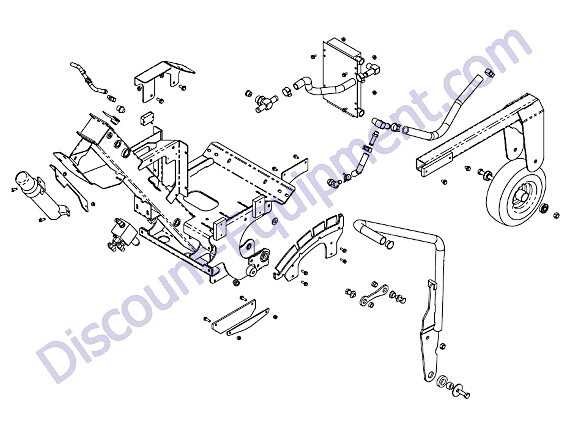
Regular inspection of the digging chain is crucial for maintaining performance. Check the teeth for wear or damage after each use. Replace any broken or worn teeth promptly to prevent uneven digging and further damage to the chain. Use appropriate tools to tighten or replace any loose components.
The hydraulic system requires frequent maintenance to avoid breakdowns. Regularly check fluid levels and ensure there are no leaks in the hoses or cylinders. Clean the filter and replace it as necessary to prevent debris from clogging the system. If any components, such as hoses or seals, show signs of wear, replace them immediately to maintain efficient operation.
The engine should be serviced regularly. Follow the manufacturer’s recommended intervals for oil changes, air filter replacement, and spark plug inspection. Ensure the cooling system is functioning properly by checking coolant levels and inspecting hoses for leaks. Clean the radiator to prevent overheating during heavy use.
The frame should be inspected for any cracks or damage. Tighten bolts and fasteners to prevent any movement that could lead to structural issues. Any signs of stress or deformity should be addressed immediately by a professional technician to avoid compromising the machine’s safety.
The operator’s control system, including levers and joysticks, should be checked regularly to ensure all movements are smooth and responsive. Inspect the wiring and connections for any wear or corrosion. If any control mechanism feels stiff or unresponsive, lubricate or replace the necessary parts to keep it functioning properly.