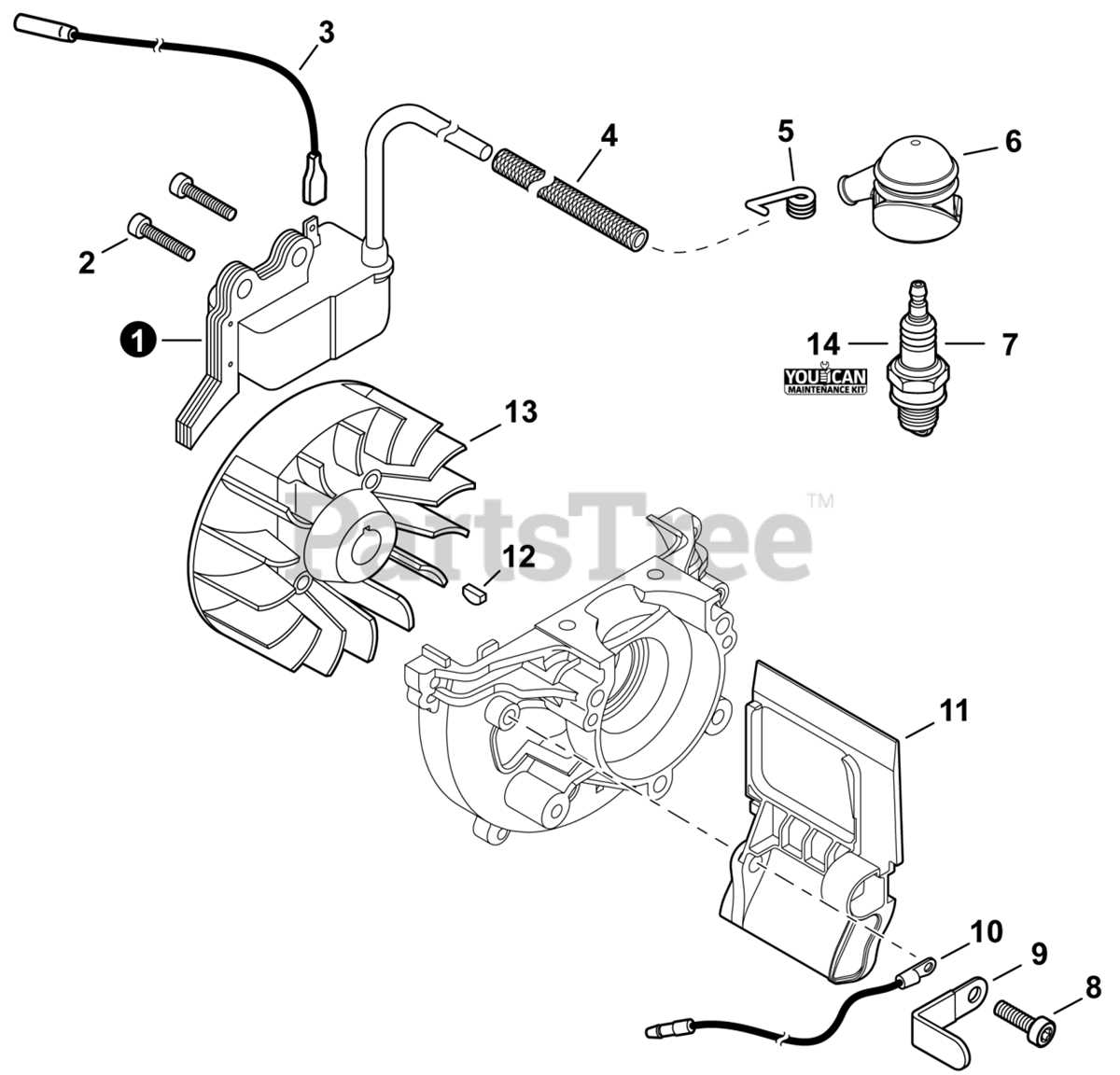
If you’re experiencing performance issues or need to perform maintenance on your gas-powered chainsaw, it’s crucial to familiarize yourself with its key components. Start by identifying the motor, carburetor, and fuel tank, which are the primary elements that affect operation and fuel efficiency. The engine powers the saw, and any malfunction here can cause starting issues or reduced cutting power. A clean carburetor ensures that the fuel-to-air ratio is ideal for combustion, while a fully functional fuel tank guarantees a steady fuel flow to the engine. Regular maintenance of these parts will prevent unnecessary repairs.
Next, focus on the bar and chain assembly. These parts are responsible for cutting through wood, and any damage or wear on the bar can result in inefficient cuts or even chain derailment. Check for proper tension and alignment of the chain, and replace any damaged links to ensure optimal performance. Additionally, inspect the sprocket, which drives the chain, and make sure it’s not worn out to avoid chain slippage.
Finally, pay attention to the starter mechanism and air filter. The starter ensures the engine starts smoothly, and the air filter prevents debris from entering the engine, which could cause clogging or overheating. Regularly cleaning and replacing the air filter will extend the life of your saw and improve its overall efficiency.
Chainsaw Component Breakdown and Assembly Guide
Begin by addressing the engine, the heart of the saw. If the engine is having difficulty starting or running, ensure that the spark plug is clean and properly gapped. Replace the spark plug if necessary. Check the ignition coil for any signs of damage or wear. Any issues with ignition could result in poor engine performance or failure to start.
The carburetor plays a crucial role in maintaining the correct fuel-to-air mixture. If you notice the engine sputtering or failing to idle properly, cleaning or replacing the carburetor might be needed. It’s also important to check the fuel lines for cracks, which could lead to fuel leaks or contamination of the engine. Always use fresh, high-quality fuel to prevent clogs in the carburetor and fuel lines.
For the cutting mechanism, inspect the guide bar and chain for wear. A loose or dull chain can significantly reduce the cutting efficiency and may even cause the chain to slip off during use. Adjust the tension of the chain according to the manufacturer’s specifications, and replace the chain if the teeth are excessively worn or damaged. Lubrication of the chain is necessary for smooth operation, so ensure that the oil reservoir is filled and the oiling system is functioning properly.
Check the air filter regularly to prevent debris from entering the engine. A clogged filter can cause the engine to overheat or run inefficiently. Cleaning or replacing the air filter will help maintain good airflow and engine performance. Similarly, examine the recoil starter mechanism. If the cord doesn’t retract smoothly or the starter fails to engage, cleaning and lubricating the recoil assembly can restore its function.
Finally, ensure the fuel tank and all associated components, such as the fuel cap and vents, are free of damage and functioning properly. Leaks or improper sealing can lead to fuel loss and performance issues. Once all components are checked and any necessary replacements or repairs are made, carefully reassemble the chainsaw following the correct sequence of assembly as outlined in the user manual.
How to Identify and Replace Common Chainsaw Components
If the engine is hard to start or runs erratically, begin by inspecting the spark plug. Remove the spark plug and examine it for wear or carbon buildup. If it’s dirty, clean it with a wire brush; if it’s damaged or excessively worn, replace it. Be sure the spark plug is gapped correctly before reinstalling.
A faulty fuel system often leads to poor performance. Check the carburetor for clogging or damage. If the engine is stalling or idling poorly, clean the carburetor and inspect the fuel lines for cracks or leaks. Replace any damaged fuel lines and ensure the fuel filter is clean. If the carburetor is beyond repair, replacement may be necessary.
The guide bar and chain are critical for proper cutting. If the chain is loose or dull, adjust the tension first. If the chain is damaged, replace it with a new one, ensuring it’s the correct size and type for the model. Also, check the guide bar for wear, and if it’s bent or excessively worn, replace it as well. Keep the chain lubricated to ensure smooth operation.
The air filter is often overlooked but plays a key role in engine performance. If the saw is losing power or overheating, remove and inspect the air filter. A clogged or dirty filter can restrict airflow and reduce engine efficiency. Clean or replace the filter as needed, and always ensure it’s seated properly when reinstalling it.
If the recoil starter fails to engage or the rope doesn’t retract, inspect the recoil assembly. Look for any signs of damage to the spring or housing. Lubricate the moving parts, and if the mechanism is broken, replace the recoil starter. Lastly, check the fuel tank for leaks. If you notice fuel dripping or smell gasoline, inspect the tank and cap for cracks or damage, and replace them if needed.
Step-by-Step Guide to Assembling the Chainsaw from Component Parts
Begin by attaching the engine to the handle. Ensure the mounting bolts are secure, using a torque wrench to tighten them to the specified value. Double-check for alignment before proceeding to avoid any stress on components.
Next, install the fuel tank. Align the tank with its designated space and secure it with the appropriate fasteners. Make sure the fuel line is correctly positioned and free of kinks. Connect the fuel filter to the tank, ensuring it sits snugly in place.
Install the air filter assembly. Place the filter into its housing and secure it with the retaining clip or screws. Check that the filter fits tightly and is clean to avoid engine inefficiency due to poor airflow.
Move on to assembling the chain system. First, attach the guide bar to the body of the machine, ensuring it’s firmly in place. Then, slide the chain over the bar, paying close attention to the orientation of the teeth. Tighten the tension adjustment screws to secure the chain without over-tightening, allowing it to move freely.
Attach the recoil starter assembly. Align the housing with the engine and ensure the pull rope retracts smoothly without resistance. Secure the starter with the mounting bolts and check its functionality by pulling the rope to verify it engages correctly.
Finally, check the ignition system. Ensure the spark plug is properly seated and connected. Install the spark plug boot and confirm there’s no exposed wiring. Test the starter and ignition system to ensure proper operation before proceeding to use the tool.