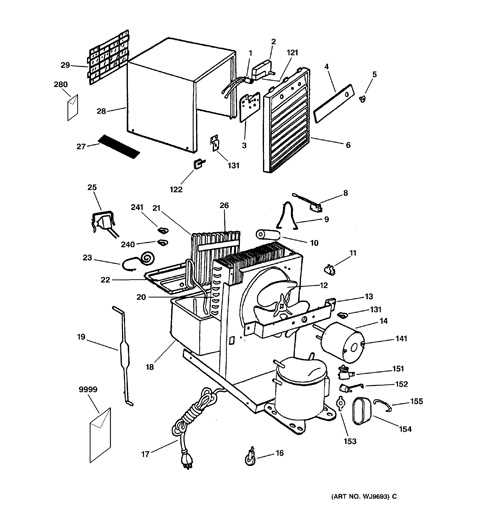
To ensure long-lasting performance, it’s vital to understand the internal components that contribute to moisture control. One of the most critical aspects is the compressor, which serves as the heart of the system, circulating refrigerant to facilitate water extraction from the air. This part plays a key role in regulating the humidity levels in your space.
The evaporator is another crucial component, designed to cool the air as it passes through. As the air cools, water vapor condenses into liquid form, which is then collected and removed. Regular maintenance of both the compressor and evaporator is necessary to maintain high performance and prevent malfunctions.
Another key part involves the collection reservoir, which stores the condensed water. Ensuring that this tank is emptied regularly and checked for blockages will prevent water buildup and maintain system efficiency. Additionally, the filter must be cleaned periodically to avoid reduced airflow and strain on the system.
Lastly, attention to the overall structure and seals of the unit will contribute to its longevity. Keeping the system free of dust and debris will prevent wear and tear on components, ensuring that your moisture control system continues to operate smoothly for years.
Key Components and Their Functions in Moisture Control Systems
The compressor is the main driving force, responsible for circulating refrigerant throughout the system. By compressing the gas, it facilitates the cooling process, allowing moisture in the air to condense and be removed. Regular checks on its efficiency can help ensure the system operates optimally.
The evaporator coil is another important element, working alongside the compressor to cool the air. As warm, moist air passes over the coils, it cools, and water vapor condenses into liquid form, which is then collected. Keeping the coil clean is vital for maintaining airflow and condensation efficiency.
The condenser is responsible for releasing the absorbed heat into the surroundings. It works by turning the refrigerant gas back into a liquid form, which aids in the continuous cooling process. Make sure the condenser is free of dirt and debris to ensure smooth operation.
The collection tank is where the moisture is stored after being condensed. A clean, regularly emptied tank ensures efficient operation. If the tank overflows, it can lead to water damage or reduce the system’s overall effectiveness.
The filter is designed to trap dust, dirt, and debris that can obstruct airflow. Regular cleaning or replacement of the filter ensures proper airflow and reduces strain on the system. A clogged filter can decrease the system’s performance and efficiency.
Lastly, the fan circulates air through the system, ensuring that moist air reaches the evaporator coil and that the dehumidified air is released back into the room. The fan should be checked for wear and cleaned periodically to maintain airflow and overall system performance.
How the Compressor and Evaporator Work Together in Moisture Removal
The compressor plays a crucial role by pressurizing refrigerant gas and circulating it throughout the system. This process raises the refrigerant’s temperature, allowing it to absorb heat from the surrounding air. As the gas travels toward the evaporator coil, its pressure is reduced, causing it to cool down significantly.
Once the refrigerant enters the evaporator coil, it expands and cools rapidly, absorbing heat from the surrounding air. The temperature drop causes the moisture in the air to condense onto the coils. This liquid water is then collected and drained away, reducing the humidity level in the room.
As the compressor continues to pump the refrigerant, it ensures the cooling cycle remains constant, while the evaporator facilitates moisture removal by maintaining a low temperature on the coils. Together, the compressor and evaporator work efficiently to lower humidity levels, creating a more comfortable environment.
To maintain optimal function, regularly check the compressor for signs of wear, and ensure the evaporator coils are clean and free of debris. A well-maintained system ensures that the cooling and condensation process remains effective over time.
Maintenance Tips for Key Components of a Dehumidifier
Regularly clean the intake and exhaust filters to prevent dust buildup. Dirty filters can restrict airflow, reducing the unit’s efficiency. Replace or wash the filters as needed, ideally every 1-2 months depending on usage.
Inspect the water collection tank regularly. Empty it frequently to avoid overflow and ensure proper drainage. Clean the tank periodically with mild soap and water to prevent mold or bacteria growth.
Check the condenser coils for dirt or debris. Dirty coils can impede heat exchange, causing the unit to work harder. Use a soft brush or vacuum to remove dust and dirt from the coils every few months.
Ensure the fan is functioning smoothly by inspecting it for any blockages or signs of wear. Lubricate the fan motor if necessary to avoid operational issues.
Examine the refrigerant system. If you notice reduced performance or excessive noise, it may be a sign of a refrigerant leak. In such cases, seek professional assistance to refill or repair the system.