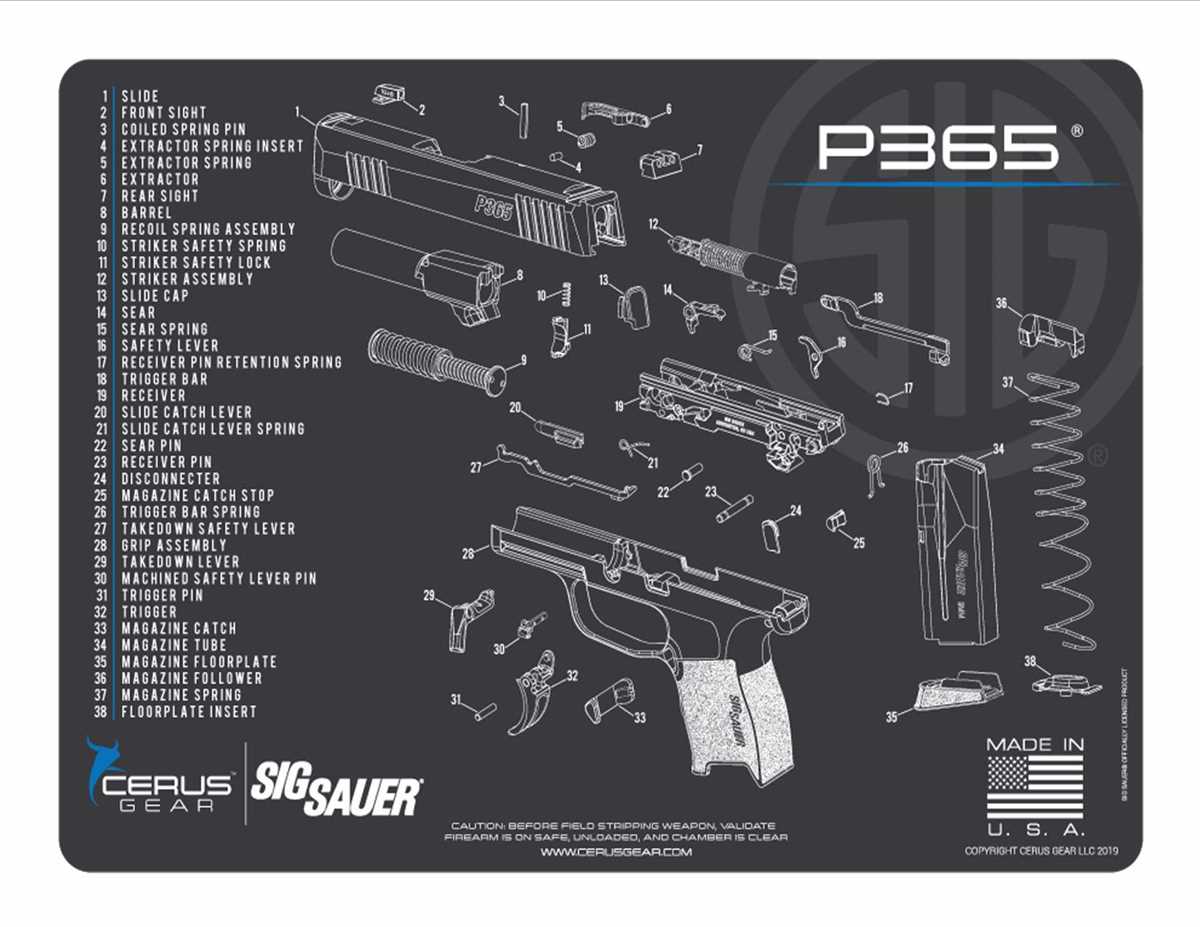
If you’re experiencing issues with your firearm, pinpointing the cause and replacing the right components is crucial. Begin by identifying which part of the weapon is malfunctioning, and refer to a detailed breakdown to match each element’s function. Understanding how each piece works will help you determine whether you need to replace the spring, slide, or other small components.
Start by checking for visible wear, especially in the firing mechanism and trigger assembly. If you notice any damage or unusual friction, this could indicate the need for a part replacement. Use the provided diagrams to cross-reference and ensure you’re replacing the correct component.
Once you’ve identified the issue, gather the right tools and make sure to follow the manufacturer’s guidelines for disassembly and reassembly. Pay attention to the smaller components such as pins, springs, and connectors, as they are often the culprits behind mechanical failures. Proper care and regular maintenance will extend the lifespan of your firearm.
Breakdown of Key Components
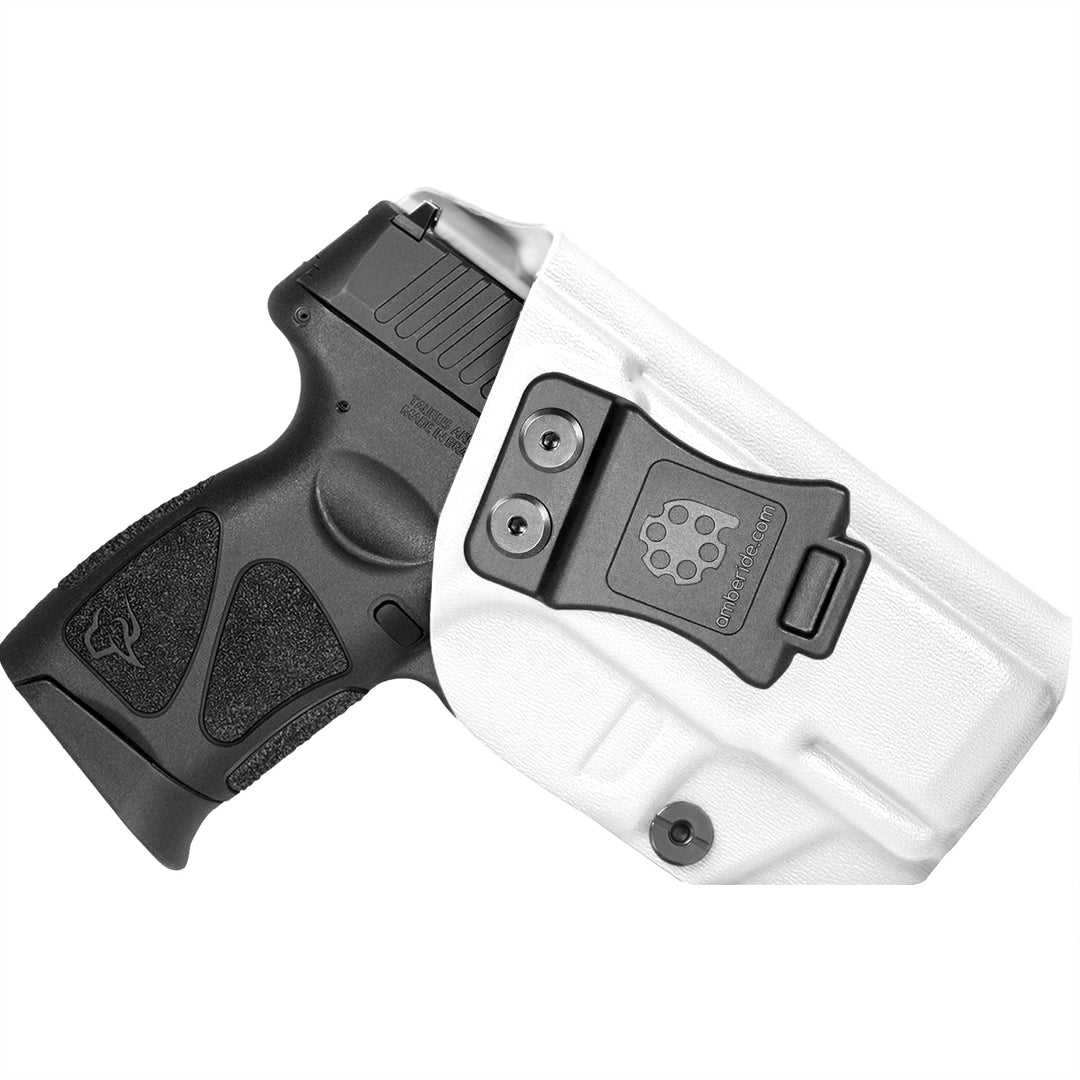
Begin by inspecting the trigger assembly. If your firearm is not cycling correctly or misfires, check for wear on the trigger bar and spring. These parts often degrade over time due to repetitive motion. If necessary, replace the trigger or spring using a proper tool to avoid damage to surrounding components.
The recoil spring and guide rod should be checked regularly, especially if you notice reduced performance or difficulty in chambering rounds. These components are integral to the cycling process and need to maintain proper tension. If the recoil spring appears stretched or the guide rod is bent, replace them to ensure reliable functionality.
Next, focus on the firing pin and striker assembly. Malfunctions in these areas often lead to failure to fire. Inspect the firing pin channel for dirt or debris, and clean it thoroughly. If the pin is damaged or worn, replace it with a new one to prevent future firing issues. Always ensure that all small components, such as pins and springs, are properly seated and secured during reassembly.
How to Identify Key Components of Your Handgun
Start by examining the frame. The frame is the core of the weapon, housing many critical components such as the trigger mechanism, safety features, and magazine release. Check for any cracks or wear on the frame’s surface, as these can lead to serious reliability issues.
Next, inspect the slide. The slide houses the firing pin, extractor, and recoil spring assembly. Look for any signs of corrosion, pitting, or cracks along the slide’s surface, especially near the locking lug area. A damaged slide can compromise the overall safety and function of the firearm.
Don’t forget to check the recoil spring and guide rod. These parts are responsible for cycling the action after each shot. A worn-out recoil spring can result in a failure to eject spent casings properly or misfeed new rounds into the chamber. If the spring appears worn, replace it promptly to maintain reliable performance.
Finally, ensure the trigger assembly and internal safety mechanisms are intact. A malfunction in the trigger system can lead to unintended discharges or failure to fire. Inspect the trigger bar, connector, and safety switch for smooth operation, ensuring there is no excessive wear or buildup of dirt and grime.
Step-by-Step Guide to Replacing Components
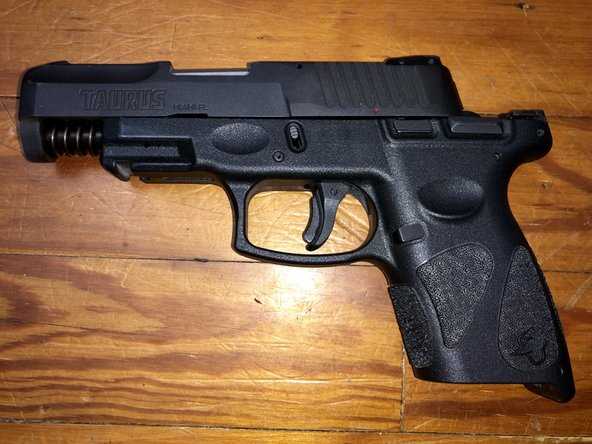
Begin by ensuring the weapon is unloaded and the safety is engaged. Remove the magazine and check the chamber to confirm there is no ammunition inside.
Next, disassemble the firearm. Start by removing the slide from the frame. Pull back the slide slightly, press the takedown lever, and slide it off the frame. This gives you access to the internal components.
Inspect the recoil spring assembly and remove it. If it shows signs of wear, replace it with a new one. Place the new recoil spring in its proper position, making sure it is aligned correctly with the guide rod.
Remove the firing pin and extractor if needed. These parts can wear down or get damaged after extended use. Use a small punch tool to remove them and replace with the corresponding new components. Ensure proper installation by checking the alignment of the firing pin with the slide.
Check the trigger assembly next. If the trigger feels sluggish or unresponsive, it may require replacement. Detach the trigger group from the frame and replace it with a new unit. Ensure the safety mechanism is functioning properly as you reassemble the firearm.
Once all components are replaced, reassemble the firearm in the reverse order of disassembly. Slide the upper assembly back onto the frame, ensuring it is securely locked in place. Conduct a function check to verify all components are working correctly before reloading and using the weapon.