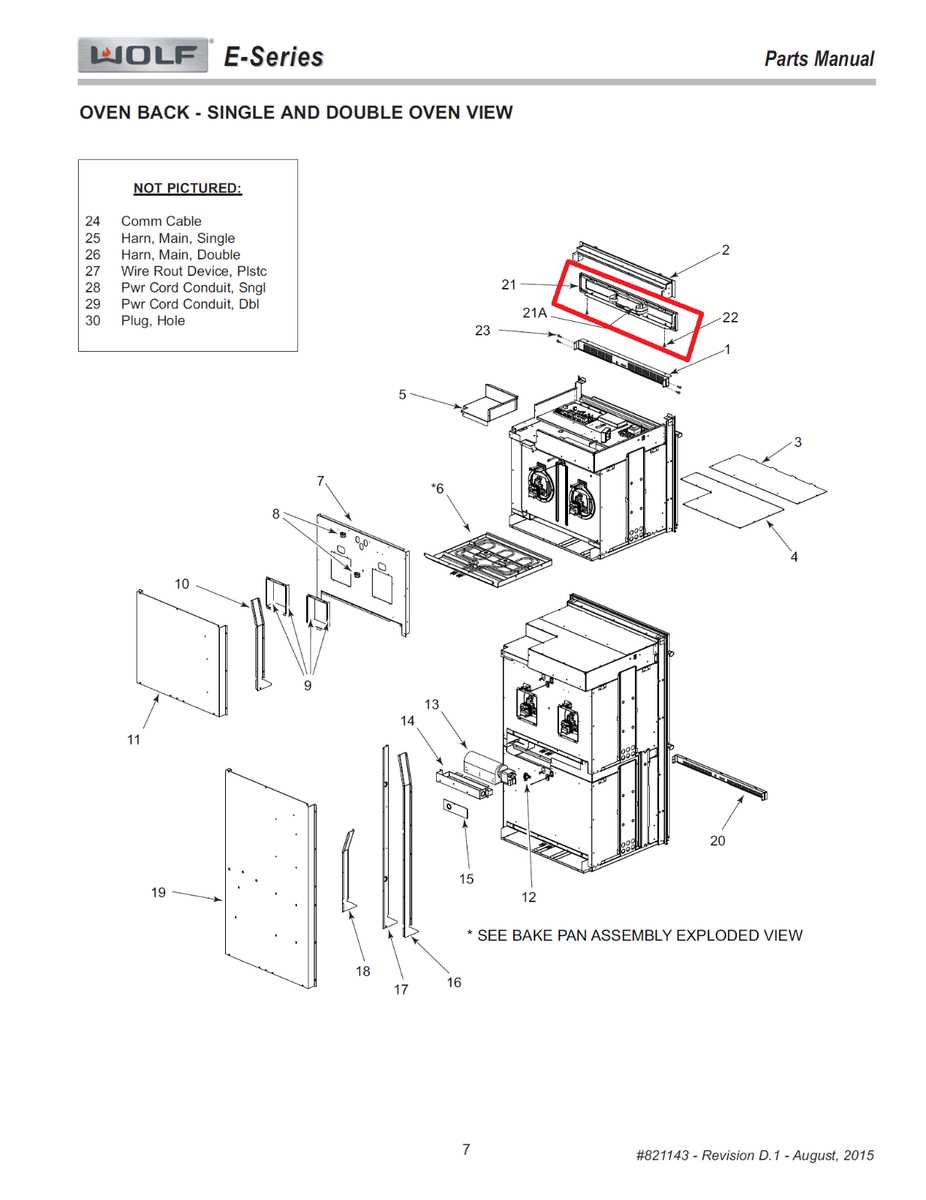
Before you begin disassembling your stove, it’s essential to have a clear understanding of the core elements that drive its functionality. Recognizing each component’s role will simplify maintenance, troubleshooting, or even the process of replacing individual parts. Focus on familiarizing yourself with the burner assembly, ignition system, and heat distribution mechanisms.
Ignition system plays a pivotal role in your appliance’s operation. Ensure that the spark generators and wiring connections are intact. Any fault here could prevent proper startup. For a deeper understanding, closely examine how the electrodes interact with the burners.
The burner components are another critical area. These consist of the base, flame spreader, and thermocouple, each serving a distinct purpose. The base ensures even heating, while the thermocouple prevents gas leakage by shutting off fuel supply if there’s no flame. Regular inspection of these parts can prevent inefficient energy consumption and improve safety.
Don’t overlook the control knobs and valve system. These elements manage temperature settings and gas flow. Any issues here might lead to irregular heating or even failure to adjust the temperature. Be sure to check for gas leaks or faulty connections.
Lastly, inspect the oven interior components such as the heating element and fan. Their maintenance ensures even cooking temperatures and reduces wear on the system. Understanding how air circulates and heat is distributed will help identify potential performance issues.
How to Identify and Replace Key Components in Your Cooking Appliance
For accurate identification of individual components, refer to the detailed diagrams available for your specific model. These visual guides will assist in recognizing parts by number or name, simplifying the troubleshooting and replacement process. If you’re unable to find the part directly, consult the manufacturer’s catalog or reach out to customer service for assistance.
Each unit is equipped with a variety of components such as burners, thermostats, control knobs, and gas valves. Begin by examining the control panel and cooktop. Pay special attention to any worn-out buttons or knobs, which are commonly replaced. Faulty thermostats or misfiring burners are also common issues that can be remedied with the proper parts from the manufacturer.
For gas-related issues, carefully inspect the ignition system. A malfunction here may require replacing the ignition switch or the spark module. Always double-check the compatibility of the component with your model, as slight variations can cause operational problems.
For electric models, if the oven isn’t heating correctly, check the heating element and related connections. A damaged element can be replaced easily by detaching the faulty part and installing a new one in the designated location. Keep in mind that power fluctuations or faulty wiring might also be the culprit, requiring more technical intervention.
If you’re replacing a major component, such as a fan or motor, be sure to verify that the replacement part matches the exact specifications of the original part. This ensures the appliance continues to function optimally and safely. Always follow safety guidelines when performing repairs, especially with gas or electrical components.
Once repairs are made, test the appliance to confirm that it operates as expected. If issues persist, it may indicate the need for further inspection or professional assistance to address more complex malfunctions.
Identifying Key Components of Wolf Range Models
When maintaining or repairing a cooking appliance, understanding the core elements is essential. Here’s a guide to the primary components of high-end cooking systems.
- Burner Assembly: Each burner consists of multiple parts such as the burner head, cap, ignition system, and gas valves. The burner head determines heat distribution, while the ignition system ensures reliable spark generation.
- Griddle: Located above the burner area, the griddle is designed for cooking foods that require an even, flat surface. It often comes with an adjustable temperature control for precision cooking.
- Oven Cavities: Different oven styles, including convection and traditional, feature heating elements, fans, and temperature sensors that regulate internal conditions for even cooking. Each cavity has a control panel to adjust temperature and cooking modes.
- Control Knobs: These components allow you to adjust the temperature of burners and ovens. The layout and functionality of the knobs vary based on the system model but typically feature clear markings for temperature settings.
- Heat Shields: Heat shields protect critical components from excessive heat. These are commonly found around the oven or near the burners and can be made from durable, heat-resistant materials.
- Temperature Sensors: Placed inside oven compartments, these sensors monitor and regulate heat levels. They are vital for precise temperature control and consistent cooking results.
- Ignition Module: A central component for the burner lighting process. It works by creating a spark when the burner is activated, ensuring ignition of the gas flow.
- Knob Housings: These structures house the knobs and ensure smooth rotation. They also serve to protect underlying wiring and connections from accidental damage.
- Interior Racks and Guides: These are critical for positioning cookware at varying levels inside the oven. They allow for even heat circulation and can be adjusted based on cooking needs.
Familiarity with these components will help when troubleshooting issues or performing maintenance tasks. Proper knowledge ensures efficient repairs and enhanced longevity of the appliance.
How to Troubleshoot Common Appliance Failures
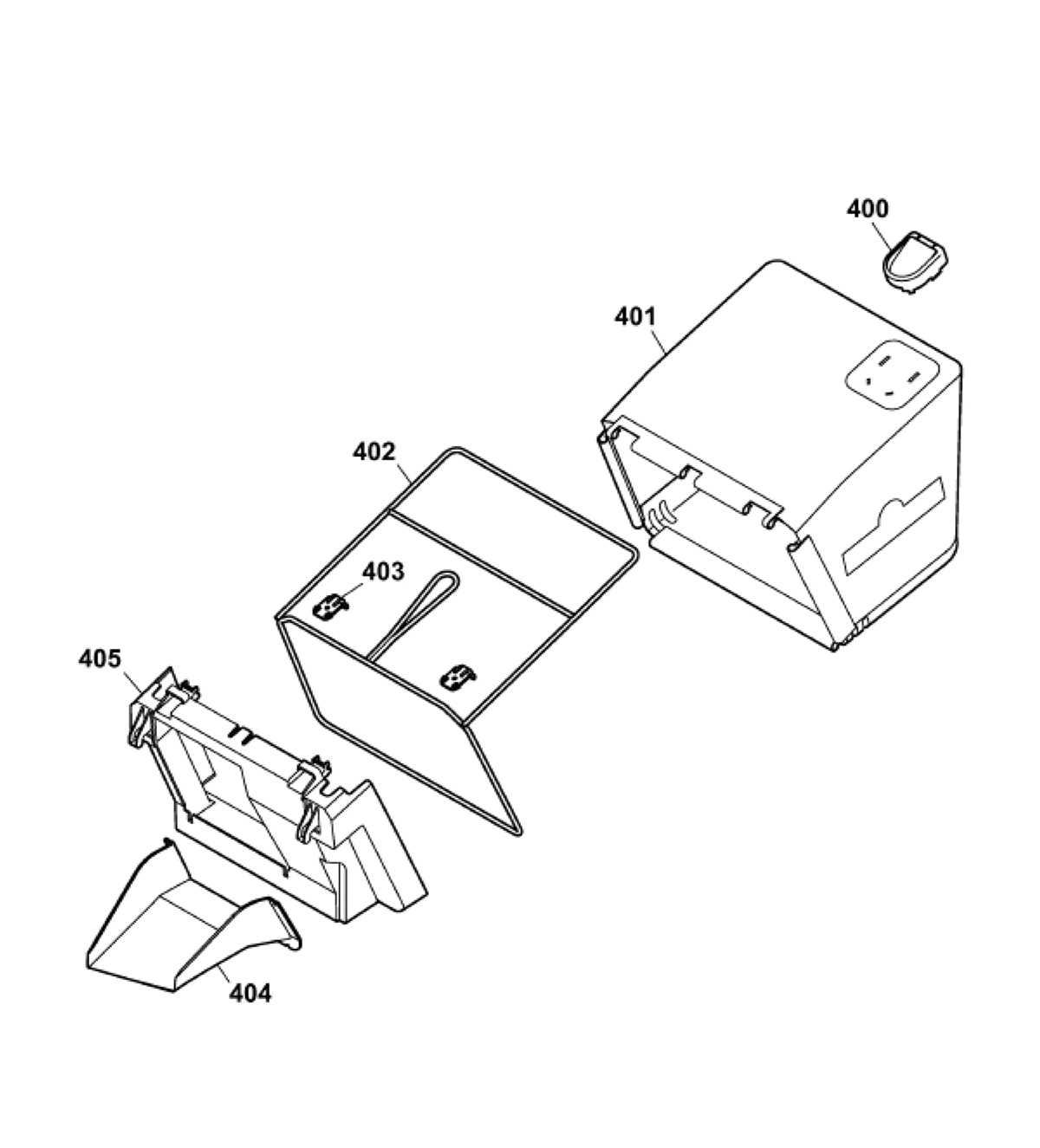
Inspect ignition failure by checking the spark electrode. If it’s dirty or misaligned, clean or reposition it to ensure proper firing. Test the igniter for continuity using a multimeter to confirm it’s working.
If burners are unevenly heating, examine the burner cap for misalignment or debris. Ensure the gas flow is unobstructed by inspecting the burner orifice. Clean it thoroughly if necessary. Also, verify the gas pressure and ensure the regulator is functioning correctly.
For an unresponsive thermostat, test its wiring connections for any loose or damaged wires. You may also want to check the continuity of the thermostat with a multimeter. If there’s no response from the control board, it could need resetting or replacing.
If the appliance produces excessive heat or takes too long to reach the desired temperature, verify the thermal fuse or temperature sensor is intact and calibrated. A malfunctioning thermostat or faulty sensor often causes inaccurate temperature readings.
If there’s an issue with the oven door not sealing properly, inspect the gasket for tears or damage. Replace the gasket if it’s compromised. A warped door could also be the culprit, in which case it may need adjustment or replacement.
For electrical problems, examine the wiring harness for any visible damage or fraying. Ensure the power supply is stable, and check circuit breakers or fuses to confirm there’s no electrical interruption.
If you notice a gas smell, immediately shut off the gas supply and inspect the connections for leaks. Use soapy water to test for leaks around the gas line, and replace any faulty seals or connectors.