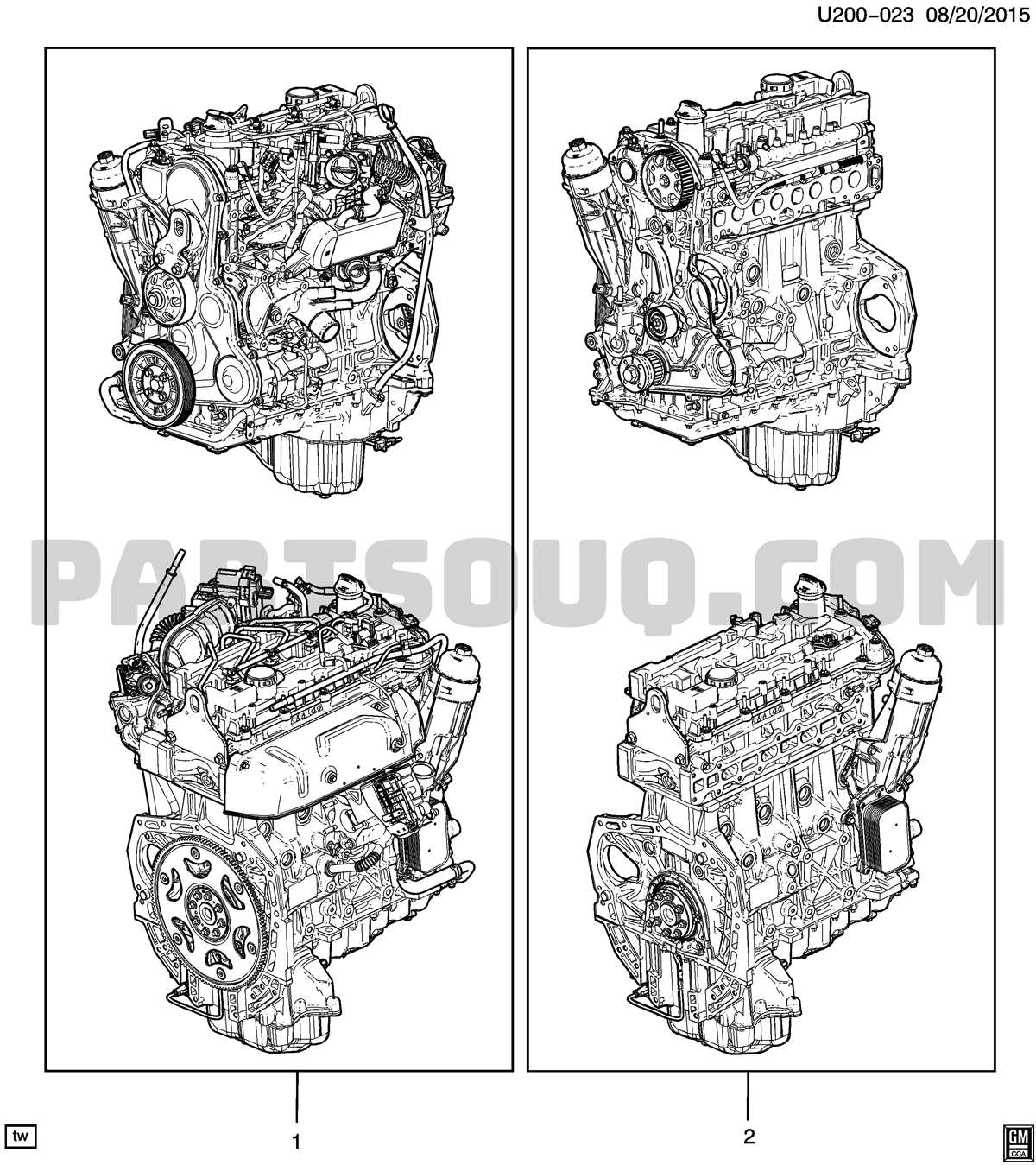
Start by locating the most critical sections of your vehicle’s power system. Focus on the cylinder head, crankshaft, and pistons. These are the primary elements that regulate movement and energy flow. Familiarizing yourself with these parts will help you understand how each component works together to keep the vehicle operational.
The crankshaft serves as the heart of the system, converting the upward and downward motion of the pistons into rotational force. It’s essential for transferring this power to the drivetrain. Identifying issues with this component can help prevent a complete system failure, which would be costly to repair.
Next, examine the cylinder head. It houses the valves that control the intake and exhaust processes. These valves open and close based on the precise timing from the camshaft. Understanding this interaction ensures that you’re aware of how power is generated and expelled from the engine. Knowing where to focus your attention when diagnosing performance issues will make the repair process much quicker.
Lastly, don’t overlook the importance of the timing system. The timing belt or chain controls the synchronization of various moving parts, ensuring that the valves and pistons move in unison. Failure here can lead to severe engine damage. Regular maintenance of these components will help maintain peak performance.
Understanding the Core Components in Your Vehicle’s Powertrain
To identify the main mechanical elements, start with the pistons. These parts move in and out of the cylinders, converting fuel energy into mechanical motion. It’s important to inspect the piston rings for wear, as they seal the cylinder and maintain pressure for the power stroke.
The crankshaft is another critical component. Positioned at the bottom of the assembly, it converts the vertical motion of the pistons into rotational power. Be aware of any signs of vibration or irregular sounds during operation, as these can signal potential issues with the shaft alignment or bearings.
Next, focus on the timing components. The timing belt or chain ensures synchronization between the crankshaft and camshaft. If the timing system is off, the intake and exhaust valves may not open and close at the proper times, leading to misfires or even catastrophic damage. Replace this system at the manufacturer-recommended intervals to avoid expensive repairs.
Finally, examine the valve train, which includes the camshaft, valves, and lifters. This system controls the airflow into and out of the cylinders. A malfunctioning camshaft can disrupt the timing, reducing performance or even causing engine failure. Keep it lubricated and monitor for signs of oil sludge, which can restrict movement and cause friction between parts.
How to Identify Key Components in the Vehicle Powertrain
Start by locating the cylinder head, which houses the intake and exhaust valves. These valves regulate the air-fuel mixture entering the cylinders and the exhaust gases leaving. To check for wear, listen for irregular engine sounds or look for signs of oil leakage around the head gasket.
The crankshaft is another key component. Found at the base of the powertrain, it converts the up-and-down motion of the pistons into rotational energy. Inspect the crankshaft for any unusual vibrations or noises that may indicate damage to the bearings or alignment.
Next, focus on the timing components. The timing belt or chain coordinates the rotation of the crankshaft with the camshaft. Any delay or skipping in valve movement often signals an issue with this system. Regularly replace the timing system according to the manufacturer’s schedule to prevent major failures.
Check the pistons next. These components are responsible for generating mechanical power. Over time, piston rings can wear out, leading to a loss of compression. Check for signs of poor fuel efficiency or a decrease in power, as these may indicate piston or ring wear.
Step-by-Step Guide to Reading the Vehicle Powertrain Schematic
Begin by identifying the main assembly blocks. These include the crankshaft, camshaft, and pistons. Each component is typically represented as a solid shape, often with labels indicating specific details such as their position and function.
Next, locate the timing mechanism. This will be linked to both the crankshaft and camshaft, typically depicted with lines or arrows showing how these parts interact. Understanding this connection is key to seeing how the intake and exhaust systems are synchronized.
Focus on the valve train components. Look for symbols or annotations indicating the valves, lifters, and camshaft. These parts are typically shown in relation to the timing system, allowing you to understand their specific movement and alignment within the powertrain.
Check the piston and cylinder sections, which will often appear in a cross-sectional view. These parts are crucial for converting fuel energy into mechanical movement. Make sure to note their position relative to the crankshaft and camshaft for a better understanding of their role in the system.
Finally, pay attention to any fluid pathways, such as oil or coolant circulation. These are usually represented with dashed lines or arrows, indicating how fluids flow to lubricate and cool various components. This ensures all parts operate smoothly and without overheating.