If you’re facing issues with your off-road vehicle, identifying and replacing damaged components is the first step to ensuring it’s back in action. Regular inspection is key to spotting wear and tear early. When a specific part begins to show signs of malfunction, whether it’s a brake pad, axle, or engine component, replacing it promptly can prevent further damage and costly repairs down the road.
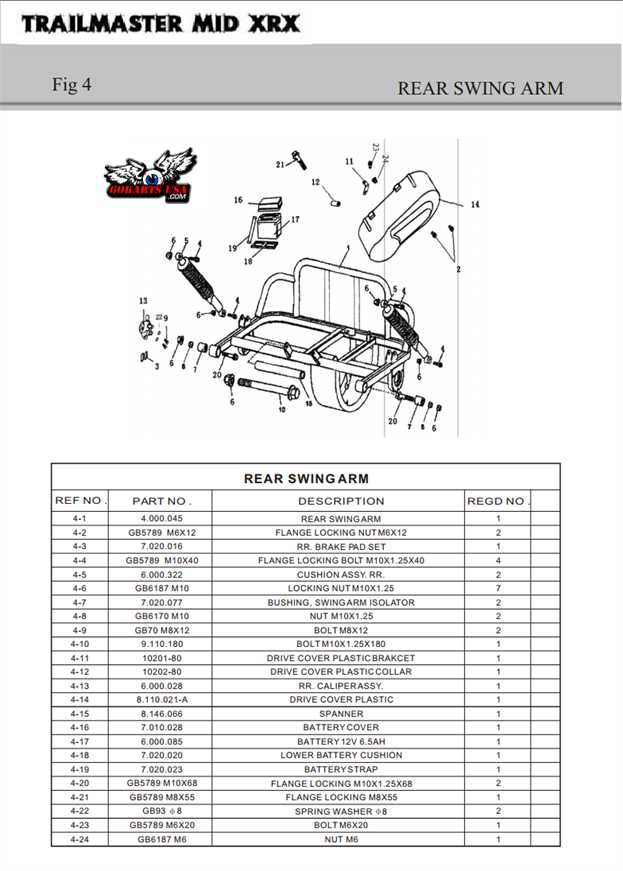
Start by referring to a detailed schematic that labels every part of the vehicle. This will help you quickly locate the faulty component and determine the necessary replacement. Pay close attention to the part numbers and ensure you’re ordering the correct components for your vehicle’s model to avoid compatibility issues.
Once you’ve identified the problematic part, consult with authorized dealers or online retailers that specialize in off-road vehicle components. It’s important to choose high-quality replacements to maintain the performance and safety of the vehicle. Be sure to check customer reviews and warranty information before purchasing, ensuring the components are built to last and fit the exact specifications.
Off-Road Vehicle Component Breakdown and Repair Tips
For any off-road vehicle, regular maintenance is key to preserving its performance. Begin by identifying which component has failed or is starting to show signs of wear. Use a detailed schematic for the vehicle to pinpoint the exact part in question. Here’s a step-by-step guide to break down and repair the key components:
- Engine Components: Always start by checking the engine for any leaks, wear on belts, or signs of overheating. Replace any worn-out gaskets or seals. Keep the oil levels in check and change filters regularly to ensure smooth operation.
- Suspension and Axles: Inspect the shocks, struts, and suspension arms for wear. These components are subjected to extreme conditions, so replacing damaged or worn suspension parts can drastically improve ride quality and handling.
- Brakes: Brake pads and rotors can wear down over time. If you notice any decrease in braking power or strange noises when braking, it’s time to replace the pads. Always check for rotor damage, as well.
- Electrical System: Inspect the battery, wiring, and connectors for corrosion. A weak or dead battery is common after extended use, so always carry a replacement on hand. Make sure all connections are clean and tight to avoid electrical malfunctions.
- Drive Belt: If your vehicle has a drive belt, check for cracks or signs of wear. Replace it immediately if it looks compromised to avoid sudden breakdowns.
After identifying the faulty part, source replacements from reliable online retailers or local dealers specializing in off-road vehicles. Ensure the parts you order are compatible with your vehicle model. Once the replacements arrive, follow the vehicle’s manual or a repair guide to replace the faulty components. Keep track of your tools, clean the area, and ensure everything is securely reassembled.
Regular inspection and timely repairs will keep your vehicle performing at its best, preventing major failures and extending its lifespan.
How to Identify and Replace Damaged Components in Your Vehicle
To identify a damaged component, start by performing a thorough inspection. Check for visible signs of wear such as cracks, leaks, or discoloration. If a part seems to be malfunctioning, listen for unusual sounds like grinding, squeaking, or rattling. This can help you locate the source of the issue.
For example, if the vehicle is making noise when turning, inspect the steering and suspension systems for any loose parts or worn components. If the issue is related to power loss, check the engine and fuel system for clogged filters or damaged hoses.
Once you’ve pinpointed the damaged part, proceed with replacing it. Order the exact replacement from a trusted supplier. Always double-check compatibility before purchasing to ensure the new component will fit your vehicle.
After receiving the new part, use the manufacturer’s manual for installation instructions. Follow the guide carefully, using the right tools and taking all safety precautions. Be sure to secure the part properly and test the vehicle after the repair to confirm the issue has been resolved.
Regular maintenance and timely repairs can prolong the life of your vehicle, ensuring a safe and smooth ride every time. Make sure to inspect all major systems periodically and replace any faulty parts as soon as you notice any issues.
Where to Find Genuine Replacement Components
Start by visiting the official website of the manufacturer. They often have an online store or authorized dealers listed, making it easier to order the right components directly from the source.
Authorized dealers or certified service centers are another reliable option. These businesses carry genuine items that are guaranteed to fit and work properly with your vehicle. They can also provide expert advice if you’re uncertain about what to order.
If you’re unable to find what you need from the manufacturer or dealers, online marketplaces such as Amazon or eBay may offer authentic components from verified sellers. Always check the seller’s ratings and reviews before purchasing.
Local repair shops may also be able to help you source original components. They often have connections with suppliers who stock the necessary items or can order them on your behalf.
It is important to only purchase from trusted sources to ensure you’re getting components that meet the vehicle’s specifications. Using substandard or incompatible parts can lead to further damage or performance issues.