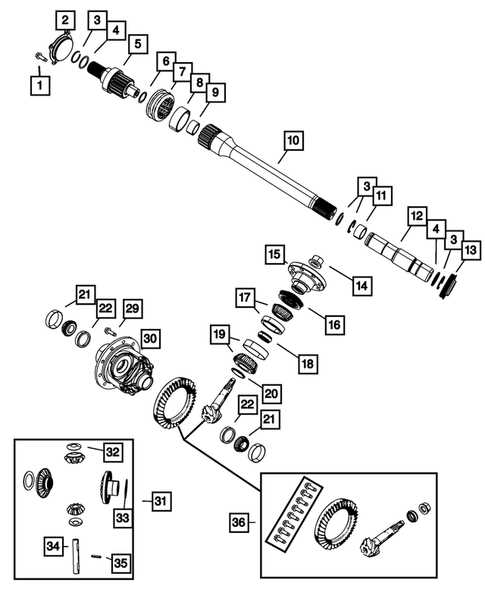
Start by identifying the major components that contribute to the proper functioning of your vehicle’s drivetrain. A clear understanding of each part and its role can prevent unnecessary repairs and help in maintaining long-term efficiency.
Focus on components such as the gearing system, bearings, and housing, all of which work in unison to transmit power from the engine to the wheels. Regular inspection and maintenance of these components can greatly enhance your vehicle’s overall performance and prevent costly breakdowns.
It’s also crucial to know how to identify wear or damage in these parts early on. For example, checking for leaks in the casing or any unusual noises from the rotating gears can alert you to problems before they escalate into more significant issues. Consult your vehicle’s manual for detailed guidance on each component’s specification, and follow the recommended service intervals.
Key Components and Maintenance of the Drivetrain System
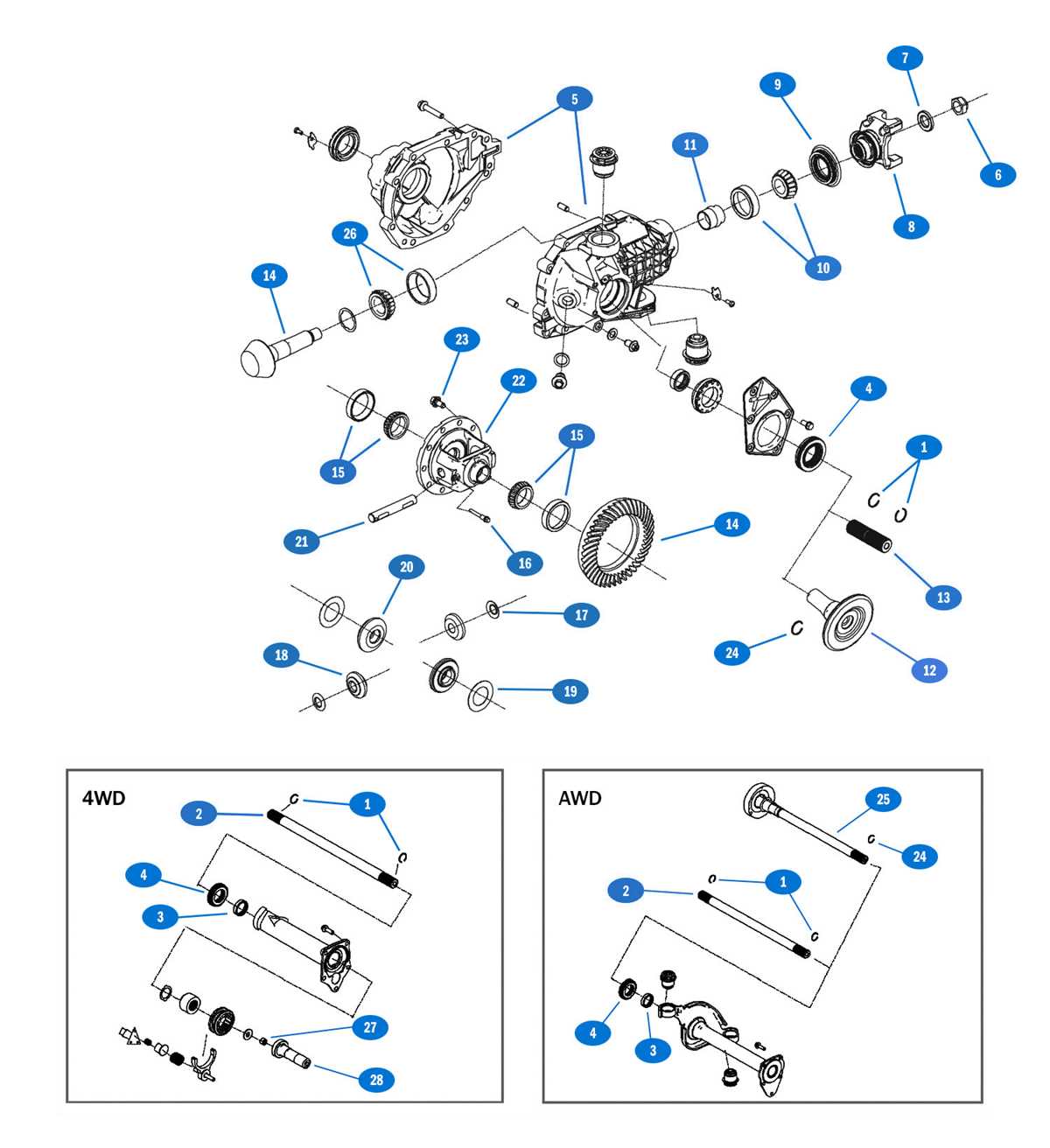
Proper maintenance of the drivetrain system requires attention to its core components. Each part plays a role in ensuring smooth power transfer and vehicle stability. Focus on the following key elements:
- Axle Housing – Check for cracks or leaks. If you notice any, immediate inspection is necessary to prevent further damage.
- Bearings – Ensure that the bearings are well-lubricated. Over time, they can wear out and lead to poor performance or failure.
- Gears – Listen for unusual noises while driving. Worn gears can cause grinding sounds and should be replaced as soon as possible.
- Seals – Inspect seals regularly for wear or tears. Seals are crucial in preventing fluid leakage and maintaining system pressure.
- Lubrication – Maintain the proper fluid level and replace it as per the manufacturer’s schedule. Insufficient lubrication can lead to overheating and premature wear.
To ensure the longevity of the drivetrain, schedule routine inspections at regular intervals. Replace any worn-out or damaged components to avoid costly repairs down the road. A well-maintained drivetrain contributes to improved vehicle handling and efficiency.
How to Identify Key Components of the Drivetrain Assembly
To locate and identify critical components of the drivetrain system, start by inspecting the housing, which encloses the gears and bearings. The housing is typically made of heavy-duty metal, and any visible cracks or damage require immediate attention.
Next, focus on the ring and pinion gears, which are responsible for power transfer from the driveshaft. Look for any signs of wear, such as chipped teeth or uneven surfaces. These components should mesh smoothly when the vehicle is in motion.
Bearings are another key component to check. They support the rotating parts and ensure smooth operation. If you hear a grinding noise or notice vibration, the bearings may need lubrication or replacement.
Inspect seals around the housing and gear components. These prevent fluid leakage and maintain system pressure. Damaged or worn seals can lead to fluid loss, so ensure they are intact and properly sealed.
Finally, examine the lubricant levels and quality. The fluid inside the housing should be clear and free from contaminants. Dirty or low fluid levels can cause excessive friction and wear on the gears and bearings.
Step-by-Step Guide for Replacing Drivetrain Components
Begin by lifting the vehicle using a jack and securing it with jack stands to ensure safety during the replacement process.
Next, remove the wheels to gain access to the drivetrain assembly. Use a lug wrench to loosen and remove the lug nuts, then carefully take off the wheels.
Drain the fluid from the housing to prevent contamination. Use a drain pan and remove the drain plug to allow the fluid to drain completely. Dispose of the fluid properly.
Once the fluid is drained, unbolt the cover to access the internal components. Carefully remove any fasteners holding the cover in place and gently pry the cover off to expose the gears and bearings.
Inspect the ring and pinion gears for any signs of wear or damage. If they are worn out, remove the bolts securing the gears and carefully extract them from the housing.
Next, remove the bearings by using a bearing puller. Place the puller on the bearing and apply pressure to remove it from the assembly. Clean the area thoroughly before replacing the bearings.
Install new bearings by carefully pressing them into place. Ensure they are seated properly before proceeding.
Replace the gears by aligning them properly within the housing and securing them with bolts. Be sure to check the alignment to ensure smooth operation.
Once the components are replaced, reattach the housing cover and tighten all bolts securely. Be cautious not to overtighten, as this can damage the threads or cause warping.
Refill the housing with the recommended fluid, ensuring it reaches the proper level. Reinstall the wheels and lower the vehicle back to the ground.
Finally, test the vehicle to ensure the drivetrain operates smoothly and check for any leaks or unusual noises.