For optimal performance, begin by examining the internal components that control flushing and water management. These parts include the fill valve, flush valve, and flush handle, which work together to ensure smooth operation. If you notice slow refilling or weak flushing, it’s often a sign that one of these components has worn out or become misaligned.
When dealing with a malfunctioning system, start by identifying the specific issue. Refer to a detailed breakdown of all internal elements to locate the malfunctioning part. For example, if water continuously runs, the flapper valve may need replacing. Similarly, if the system fails to fill properly, inspect the float mechanism for damage or improper adjustment.
Once the faulty part is identified, replacing it is straightforward. Most components are available at local hardware stores or can be ordered online. Ensure that the replacement matches the specific model of your system to guarantee compatibility. In most cases, you can fix issues yourself with simple tools like a wrench and screwdriver, saving both time and money on professional repairs.
Detailed Guide to Toilet Components and Maintenance
Begin by familiarizing yourself with the core elements that ensure your water management system functions smoothly. The fill valve controls the incoming water supply, while the flush valve is responsible for releasing water from the tank into the bowl. The flapper valve prevents continuous water flow by sealing the flush valve after use. If you experience water running constantly, the issue is often tied to these parts.
Another key component is the flush handle, which initiates the flush when pressed. If it becomes loose or stiff, the internal mechanism may need adjustment or lubrication. For water level adjustments, check the float, as it regulates the tank’s water height. A misaligned float can cause the tank to overfill or not fill enough, leading to performance issues.
Regular maintenance includes cleaning these parts to avoid sediment buildup, which can cause blockages or inefficiency. For instance, mineral deposits can clog the valve or the flush mechanism, so periodic cleaning with mild vinegar or a commercial cleaner can help prevent these issues. If a component is showing signs of wear or damage, replacing it promptly ensures continued performance and prevents bigger problems down the line.
Identifying Common Issues with Toilet Mechanisms
If the flushing system isn’t working correctly, the most common cause is a faulty flush valve or a malfunctioning flapper. These components may degrade over time, leading to water leakage and constant running. Inspect these parts for signs of wear or damage. If the flapper doesn’t seal properly, replace it immediately to prevent unnecessary water wastage.
Another frequent issue is inadequate water flow during a flush. This often results from mineral buildup in the fill valve or a clog in the flush valve seat. If water doesn’t fill the tank properly or flush weakly, check these components and clean them with a vinegar solution or descaling agent. A damaged fill valve may require replacement.
If you hear strange noises such as gurgling or hissing, this could be a sign of air trapped in the system, or the float may be misaligned. Check the float mechanism and adjust it so it moves freely. Also, check for leaks around the tank bolts or base, as this can indicate a deteriorating gasket or seal that needs replacement.
How to Locate and Replace Specific Components of a Toilet
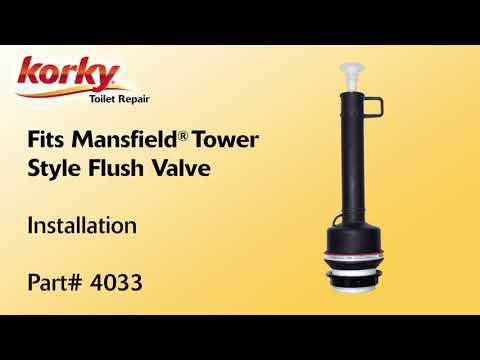
To replace the flush valve, start by shutting off the water supply and draining the tank. Locate the flush valve assembly inside the tank. Disconnect the chain from the flush lever and remove any screws securing the valve to the tank. Replace the valve with a compatible one, ensuring it is properly seated to avoid leaks.
If the fill valve is malfunctioning, first turn off the water and empty the tank. The fill valve is typically located on the left side of the tank. Loosen the nut holding it in place and lift it out. Install the new valve, securing it tightly and reconnecting the water supply. Test for proper function by turning the water on and checking for leaks.
For a faulty flapper, begin by turning off the water and draining the tank. Remove the old flapper by detaching it from the pegs at the bottom of the tank. Attach the new flapper, making sure it aligns with the overflow tube and is securely fixed. Reconnect the chain to the flush lever, ensuring it has enough slack to allow the flapper to fully seal.