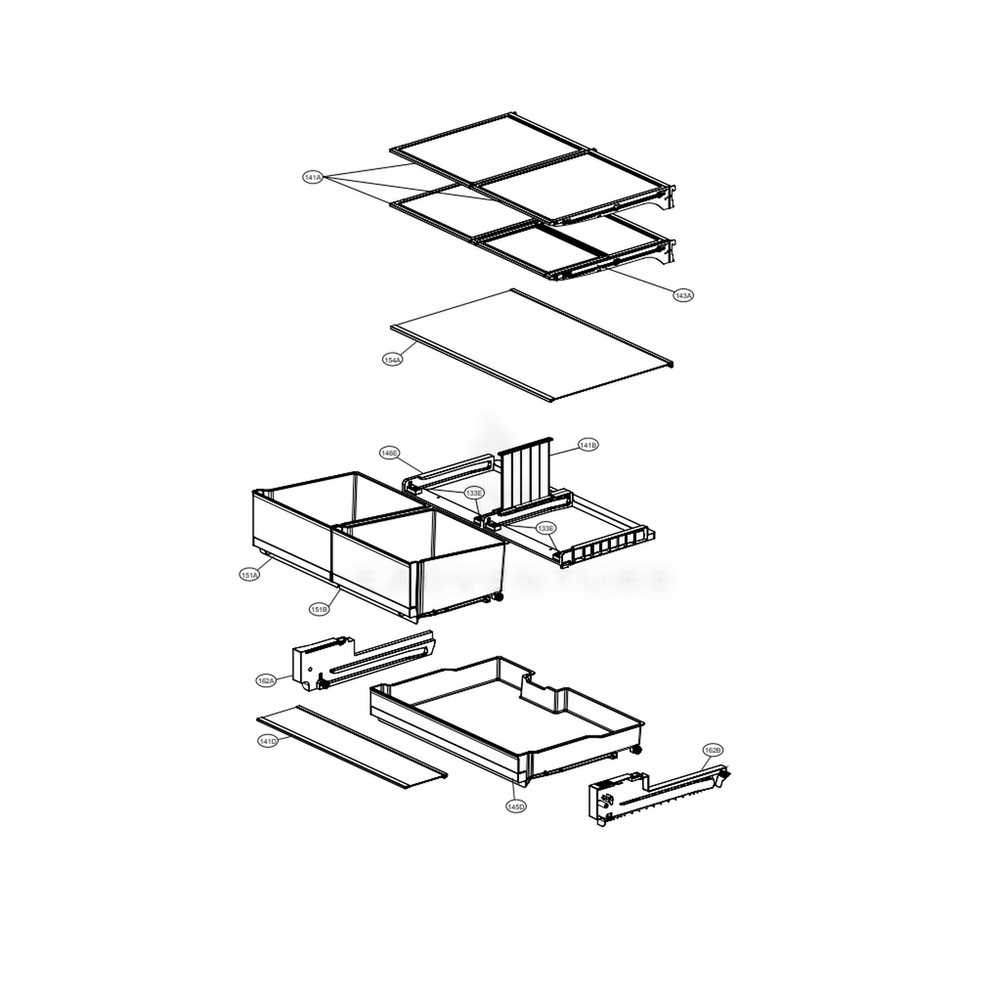
Start by checking the user manual or the online resources for a detailed breakdown of your appliance’s interior structure. Identifying key elements such as the compressor, evaporator coils, and thermostat is crucial when diagnosing issues. Make sure you have the correct model number to ensure the replacement parts fit seamlessly.
If a component like the door seal is worn out or broken, it can affect the cooling efficiency. Regularly inspecting such parts and replacing them promptly will save on energy costs. Look for visible wear signs such as cracks, gaps, or tears on seals or hoses.
Another critical part to focus on is the condenser fan. If it’s blocked by debris or damaged, cooling performance may degrade significantly. Clear any obstruction and consider replacing the fan if necessary. Always disconnect the appliance from power before performing any work on the internal components.
Routine checks of the thermostat will help you maintain consistent temperatures. If the temperature fluctuates unexpectedly, the thermostat could be malfunctioning and may need a replacement. Be sure to use compatible components from the same manufacturer for optimal performance.
LG Appliance Component Breakdown and Repair Tips
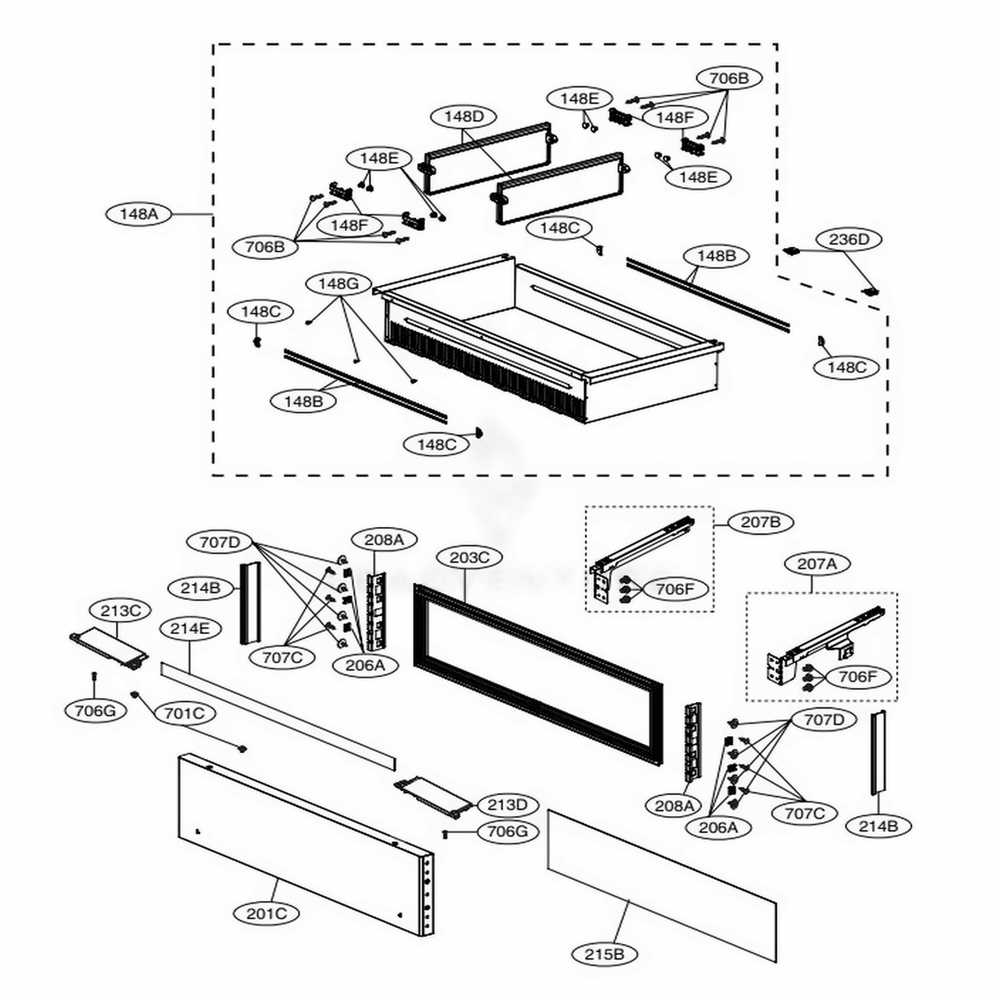
Begin by focusing on the compressor, a critical element that manages cooling efficiency. If your unit isn’t cooling properly, check for strange noises or excessive heat around the compressor. If it seems faulty, consider replacing it. Always disconnect power before handling internal parts.
The evaporator coils play a vital role in cooling, so inspect them regularly for frost buildup. If there’s ice accumulation, it could signal a defrost issue or poor airflow. Clean the coils and check the defrost heater and timer. If the problem persists, replace the defrost thermostat.
Another part to inspect is the fan motor. If the fan doesn’t run, airflow will be restricted, causing temperature fluctuations. This can be due to a broken motor or a blocked fan blade. Clear any obstructions and replace the fan if necessary to ensure consistent airflow.
Lastly, check the door seals for any tears or gaps. A broken seal can cause warm air to enter, impacting cooling efficiency. Simply replace the seals to restore proper function. Be sure to clean the gaskets regularly to prevent wear and improve longevity.
How to Identify Key Components in Your LG Appliance
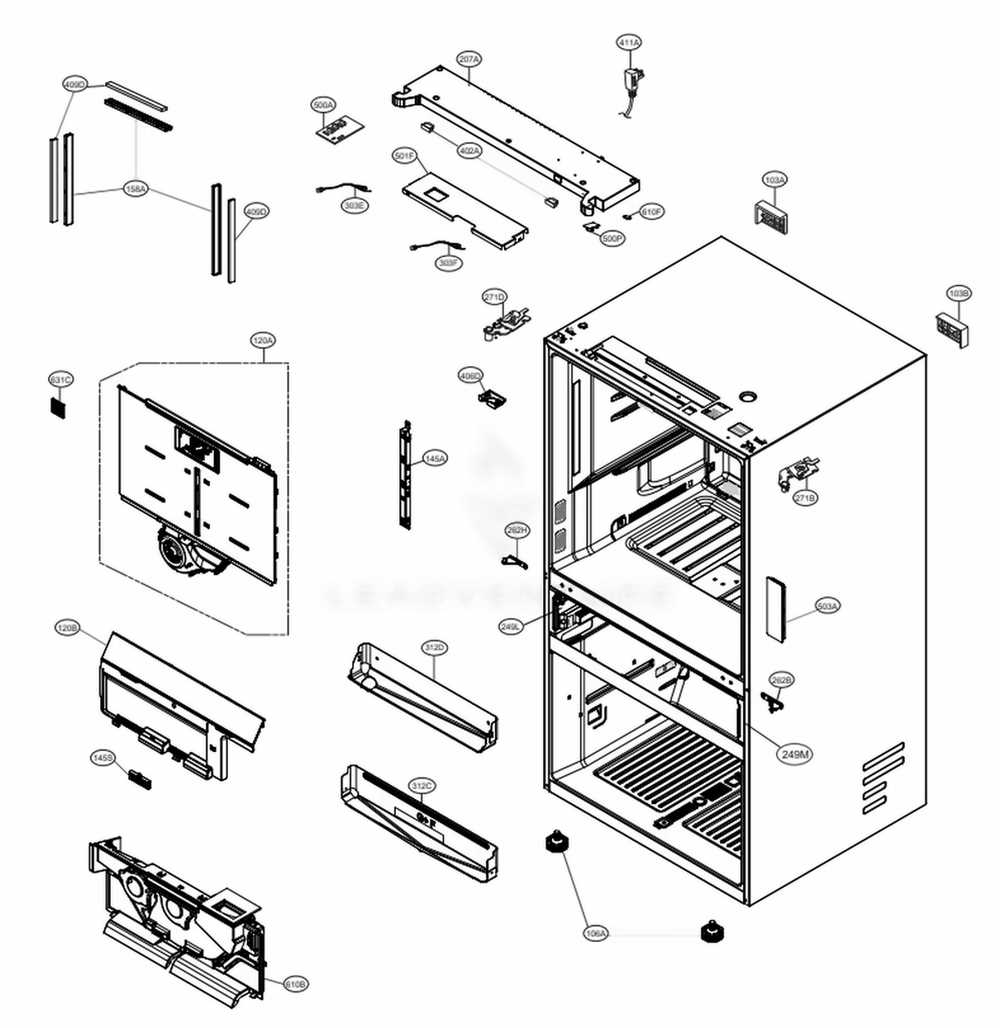
Start by locating the compressor, typically found at the bottom rear of the unit. This part is responsible for circulating refrigerant and maintaining the cooling cycle. If the appliance isn’t cooling, the compressor may be malfunctioning. Check for noise or heat around it to assess its condition.
The evaporator coils are another critical area. These coils are located inside the appliance and are responsible for absorbing heat. If they are frosted over, it may indicate a defrosting issue or airflow problem. Inspect the coils for buildup and ensure the defrost system is working correctly.
Next, locate the condenser coils, which are usually at the back or bottom. These coils release the absorbed heat. If they are clogged with dirt or dust, cooling efficiency can decrease. Clean the coils regularly using a brush or vacuum to maintain performance.
The fan motor is essential for proper airflow and consistent temperature. It’s often found near the evaporator coils or inside the unit’s cooling area. If the fan isn’t running, the cooling cycle will be disrupted. Check for obstructions or test the motor for defects if the fan isn’t spinning.
Lastly, inspect the door seals. These seals ensure that cold air remains inside. If there are visible cracks or gaps, replace them to prevent energy loss and temperature fluctuations. Clean the seals frequently to ensure a good seal and prevent wear.
Step-by-Step Guide to Replacing Common Components in LG Appliances
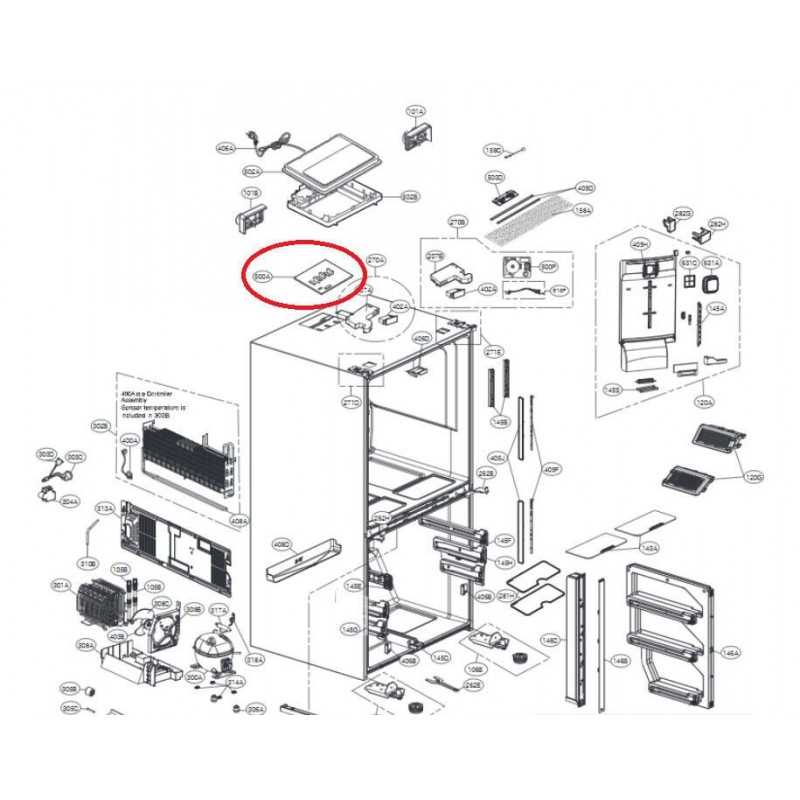
Follow these steps to replace key components effectively:
- Unplug the Unit: Always disconnect the appliance from the power source before starting any repair work.
- Replace the Door Seals:
- Remove old seals by carefully prying them off from the door frame.
- Clean the door frame to remove dirt or debris.
- Align the new seal along the frame and press it in place, ensuring a tight fit.
- Swap Out the Fan Motor:
- Locate the fan motor, typically near the cooling unit or back panel.
- Disconnect the power supply to the motor and remove any screws or fasteners securing it.
- Replace the faulty motor with the new one and secure it with screws. Reconnect any wiring as needed.
- Clean or Replace Condenser Coils:
- Access the coils, often located on the back or bottom.
- If they are dirty, use a brush or vacuum to clean off any dirt and dust. Ensure proper airflow.
- If the coils are damaged or bent, replace them with new parts to maintain optimal cooling performance.
- Install a New Compressor:
- Shut off the power and disconnect the appliance from the electricity source.
- Locate the compressor at the bottom or rear section.
- Remove any screws or fasteners securing it in place.
- Detach the old compressor and carefully install the new one, ensuring all connections are tight.
- Check and Replace the Evaporator Coils:
- Access the evaporator coils inside the appliance.
- If they are frozen or damaged, defrost them first and check for any blockages.
- If the coils are in bad condition, replace them with new components to ensure efficient cooling.
After replacing any parts, test the appliance to ensure everything is functioning correctly. Always follow the manufacturer’s guidelines for safety and part compatibility.