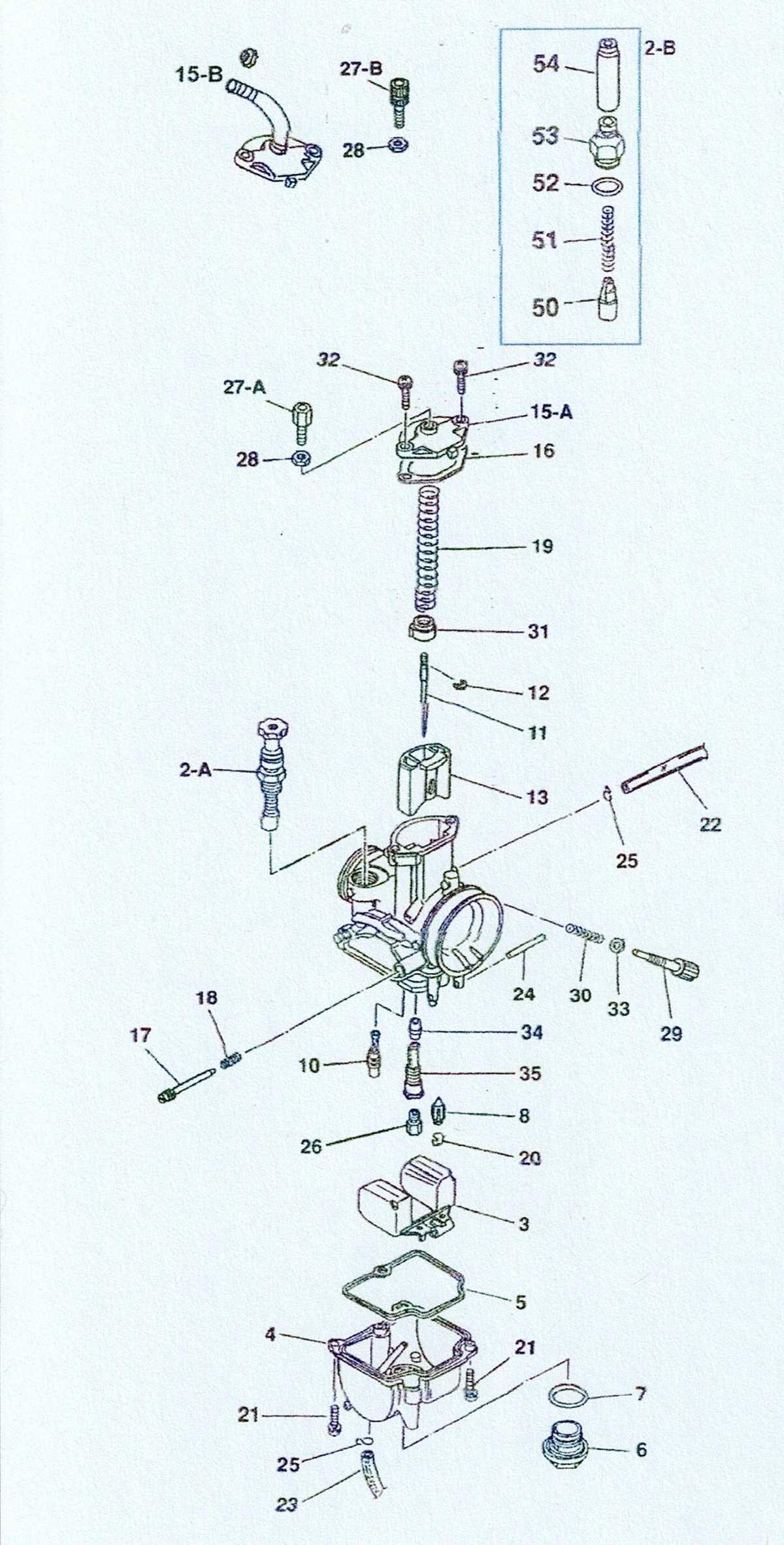
To effectively troubleshoot or repair your fuel system, start by familiarizing yourself with the various components. Each section of the system plays a unique role in controlling fuel flow and ensuring optimal engine performance. Understanding the layout and connection between the various elements will help you identify potential issues and resolve them efficiently.
Begin by referencing a detailed layout that shows how each piece fits together. This schematic helps clarify which parts are most likely to wear out or malfunction. Focus on the elements related to air-fuel mixing, throttle control, and fuel flow regulation as these are often the cause of common issues.
If you’re repairing or replacing a component, always ensure that the replacements are of the correct specifications. Mismatched components can lead to improper operation and performance issues. Keeping a clean workspace and using proper tools will help avoid damaging delicate parts during assembly or disassembly.
BE Carburetor Breakdown and Assembly
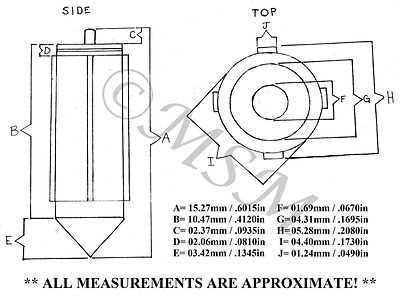
Start by disassembling the body and removing the float bowl. This exposes the needle valve and float, which control the fuel level. Inspect the float for wear or damage, as a malfunctioning float can cause fuel overflow or starvation.
The main jet and idle jet are crucial for fuel delivery at different engine speeds. Check for blockages or clogs in these jets, as they directly affect the engine’s performance, especially at idle or under load. Use compressed air to clean them if needed.
Next, examine the throttle valve and its linkage. Ensure the valve moves smoothly and there’s no binding in the throttle shaft. Lubricate the shaft with an appropriate grease to ensure proper function.
Reassemble the unit in reverse order, carefully tightening each screw and securing the float bowl. Pay special attention to the gaskets and seals, replacing them if necessary to avoid air or fuel leaks.
How to Identify Key Components in a BE Carburetor
Begin by locating the float chamber, which holds the float and needle valve. This section regulates the fuel level in the chamber and ensures a steady supply to the engine. Check for any signs of wear or fuel residue that may indicate clogging.
Next, identify the main jet and idle jet. The main jet controls fuel flow at higher RPMs, while the idle jet handles lower speeds. Inspect these jets for any blockages, as a blockage can result in poor performance or stalling. Use a small wire or air to clear any debris.
The throttle valve is another critical part. It regulates airflow to the engine and must move freely. Check that the valve opens and closes smoothly without resistance. Any sticking could cause poor throttle response.
Finally, inspect the diaphragm and gaskets for any cracks or wear. These parts are responsible for sealing and maintaining proper pressure within the system. Replace any damaged seals to prevent air or fuel leaks.
Steps to Assemble or Disassemble BE Carburetor Components
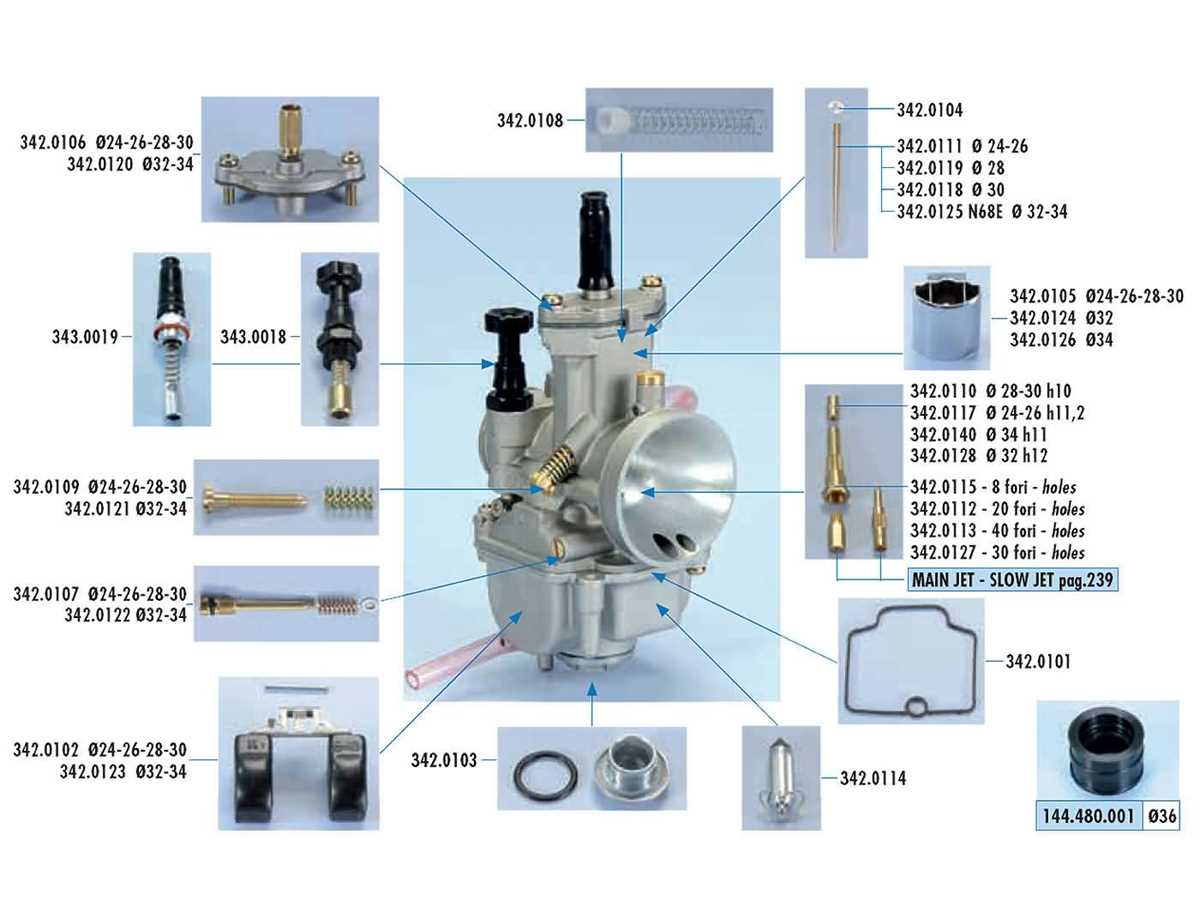
To begin disassembling, start by removing the securing screws on the outer casing. Use a screwdriver to gently lift the casing, exposing the internal elements like the needle valve and float assembly. Be careful not to damage the seals.
Next, take out the float assembly and inspect the float for any wear or cracks. Remove the needle valve by gently pulling it out. Take note of its orientation for reassembly.
Proceed to remove the jets, starting with the main jet and then the idle jet. Use a small wrench or socket to carefully unscrew them. Inspect both for clogging or debris and clean with a carburetor cleaner and compressed air.
Once the internal components are disassembled, check the diaphragm for any signs of damage or wear. Replace it if necessary. Clean the interior thoroughly with a non-abrasive cleaner to remove any residual dirt or fuel buildup.
For reassembly, start by reinstalling the jets, ensuring they are tightened to the correct torque specification. Place the needle valve and float assembly back in their original positions, followed by the diaphragm and any seals. Finally, secure the outer casing and check that all components move freely without obstruction.